-
 Each year, new sites are added to the UNESCO World Heritage List after a rigorous evaluation by an international panel. Nominated landmarks are judged on their cultural, historic or natural significance and whether they meet strict criteria. Below are seven standout additions from this year’s 20 new inscriptions, showcasing diverse heritage from around the world.
 -
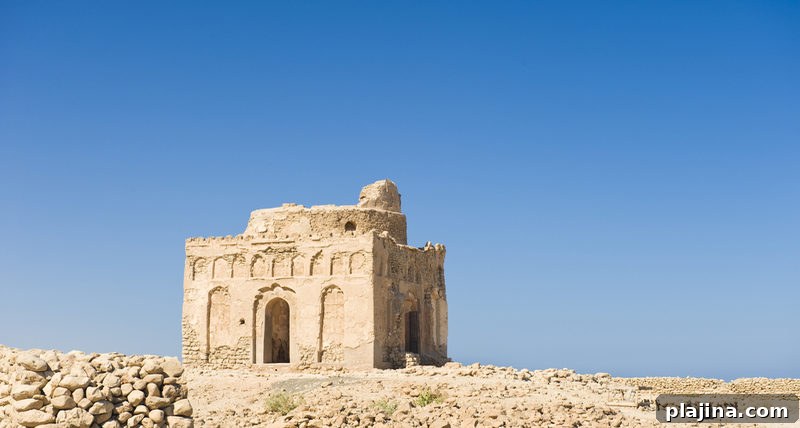
The ancient port city of Qalhat in Oman preserves inner and outer walls, ramparts and necropolises. Between the 11th and 15th centuries Qalhat was a crucial trading hub linking Arabia with East Africa, India and China, and its remains reflect that international exchange.
-
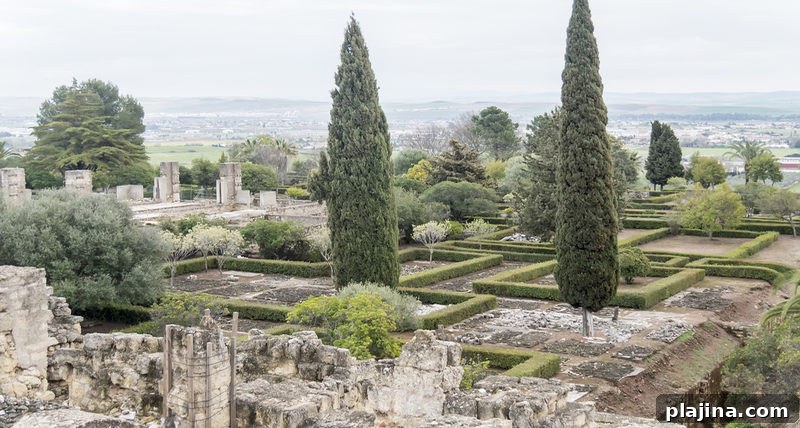
Medina Azahara, the Caliphate city in Spain, was built in the mid-10th century and thrived before its destruction in a civil war. Rediscovered in the early 20th century, the site contains roads, bridges, water systems and other urban structures that illuminate Western Islamic urban life and architecture.
-
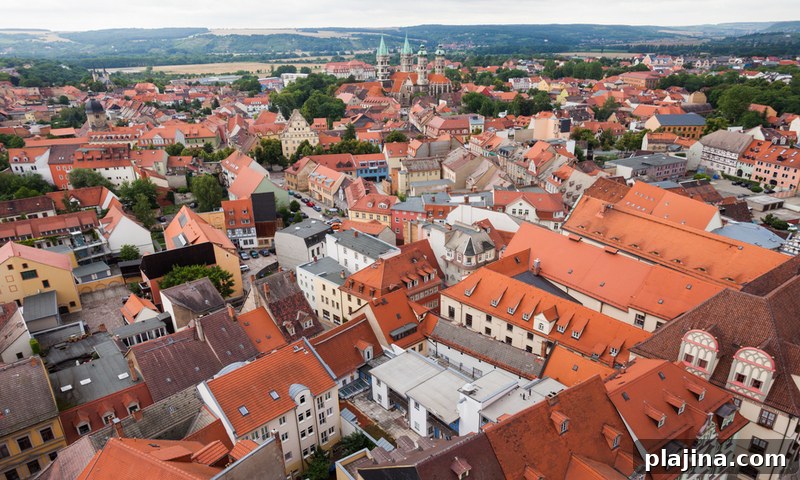
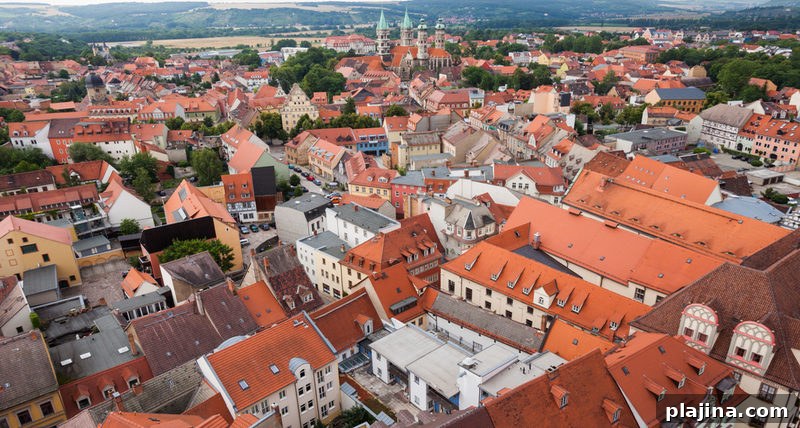
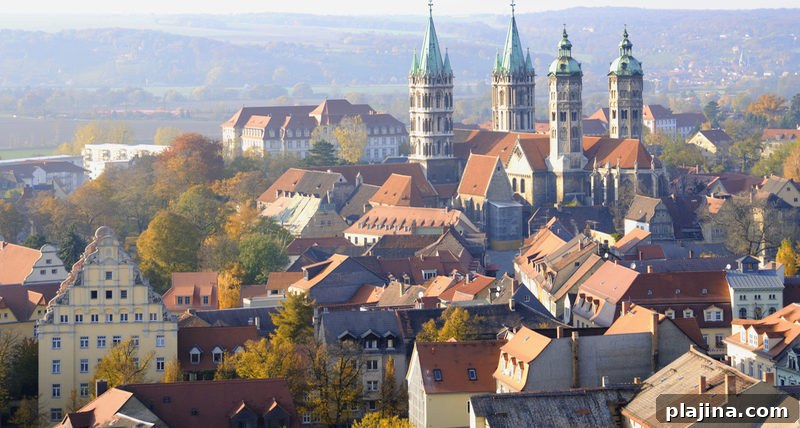
The Cathedral of Naumburg dates back to 1028 and showcases exceptional medieval art and architecture. Combining Romanesque and early Gothic elements, the cathedral is especially noted for its choir and life-sized sculptures, which highlight evolving artistic trends of the period.
-
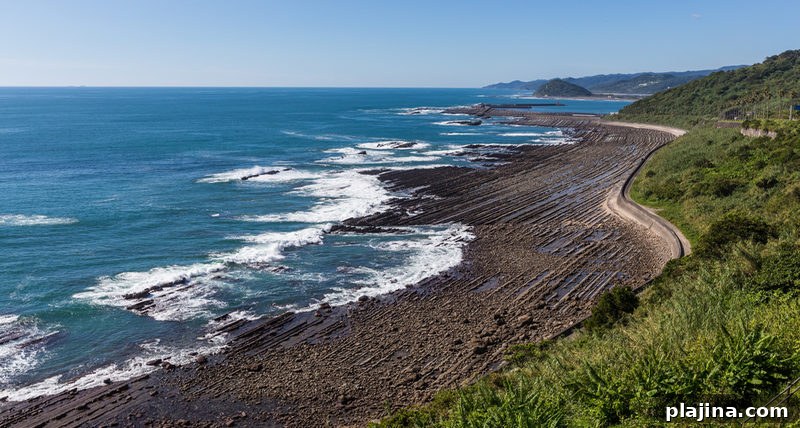
On Japan’s Kyushu Island, a collection of early Christian sites includes villages, a castle and a cathedral established when Christianity was banned in Japan. These settlements document the history of hidden Christian communities and early cultural exchange following contact with Europeans in the 16th century.
-
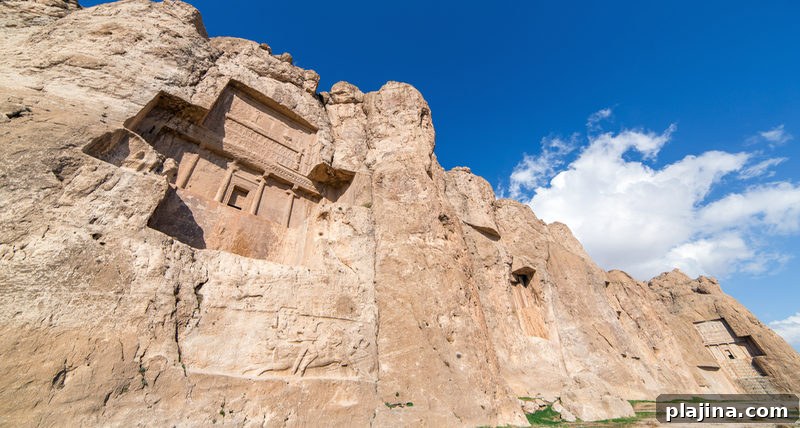
Eight archaeological sites in Iran’s Fars Province preserve fortified structures and palaces from the Sassanian Empire (224–658 C.E.). The architecture integrates the natural landscape and shows artistic influences that later informed Islamic architectural traditions in the region.
-
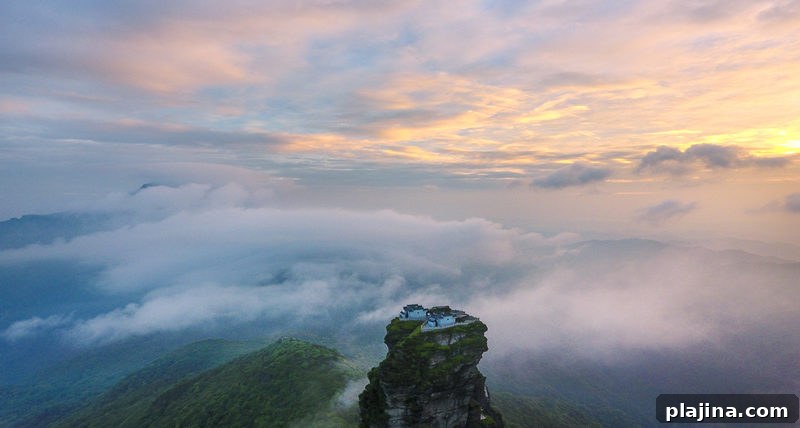
Fanjingshan in Guizhou Province, China, is a mountainous region with exceptional biodiversity across varied altitudes. Its isolation has allowed many endemic species to thrive, including the Guizhou snub-nosed monkey, the Chinese giant salamander and the forest musk deer.
-
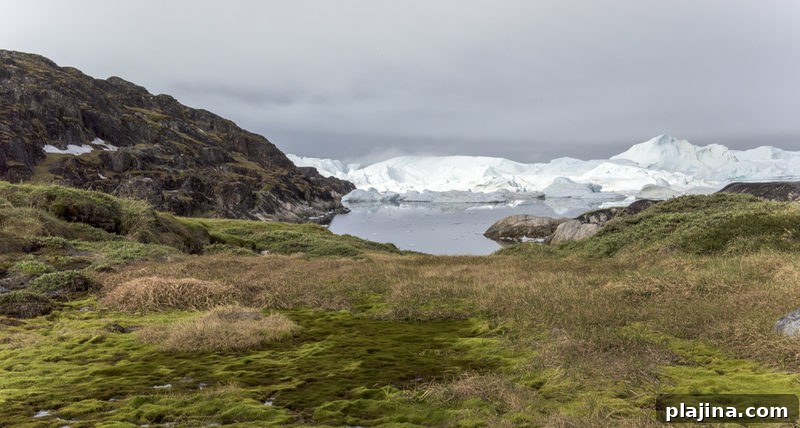
The Aasivissuit–Nipisat hunting grounds in West Greenland reveal more than 4,000 years of Inuit history. The landscape contains remains of large winter houses, caribou hunting sites and seasonal camps that document long-standing patterns of migration and subsistence.