While the United States recently celebrated the centennial of the National Park Service, travelers can discover equally stunning national parks worldwide. Whether you prefer a coastal retreat in Indonesia or a rugged highland escape in Argentina, here are seven outstanding parks to consider for your next trip.
Khao Yai National Park, Thailand’s oldest national park and part of a UNESCO World Heritage site, offers lush forests, abundant wildlife and dramatic waterfalls. The park gained international attention after serving as a filming location for the 2000 movie The Beach, starring Leonardo DiCaprio, and remains a top destination for nature lovers and wildlife photographers.
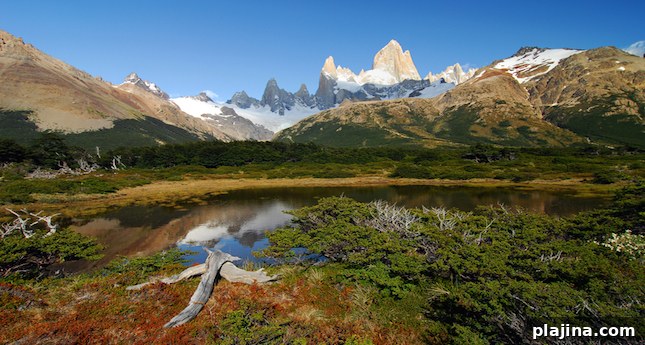
Los Glaciares National Park in Argentina contains the largest ice cap outside Antarctica and Greenland. Visitors flock to see iconic features such as Mount Fitz Roy, the windswept Patagonian landscapes and the two vast lakes that border the park. Glacier viewpoints and trekking routes make it a must for adventurers and photographers alike.
Sagarmatha National Park in Nepal is best known for being home to Mount Everest. The park, protected by the Nepali Army, emphasizes conservation of both biodiversity and cultural heritage. As part of the Sacred Himalayan Landscape, it faces significant threats from climate change, and ongoing conservation efforts aim to preserve its fragile ecosystems and the livelihoods of local communities.
Fiordland National Park is New Zealand’s largest national park and a land of deep fiords, dramatic mountains and temperate rainforest. Milford Sound is the park’s most famous fiord, drawing hikers, climbers and sightseers. For an unforgettable perspective, many visitors choose helicopter flights—either for scenic tours or to access remote hiking routes—though gentler sightseeing flights are also widely available.
Swiss National Park, the only national park in Switzerland and among Europe’s earliest reserves, is designated as a strict nature reserve by the International Union for Conservation of Nature (IUCN). This highest protection category limits human interference and prohibits disturbances to native flora and fauna, preserving the park’s alpine ecosystems in as natural a state as possible.
The Lake District National Park in the United Kingdom has a long cultural and literary history that predates its official designation in 1951. The park’s lakes, fells and rural villages inspired generations of writers and artists, including William Wordsworth, Beatrix Potter and others. Today it remains a cherished landscape for walking, boating and exploring historic sites tied to Britain’s literary heritage.
Komodo National Park in Indonesia is famous for its unique inhabitants. Comprised of three large islands and numerous smaller ones, the park is the only place where Komodo dragons live in the wild; these giant lizards are the park’s signature species. The surrounding marine environments are also important, hosting rare and endangered species such as the dugong, and offering world-class diving and snorkeling opportunities.