
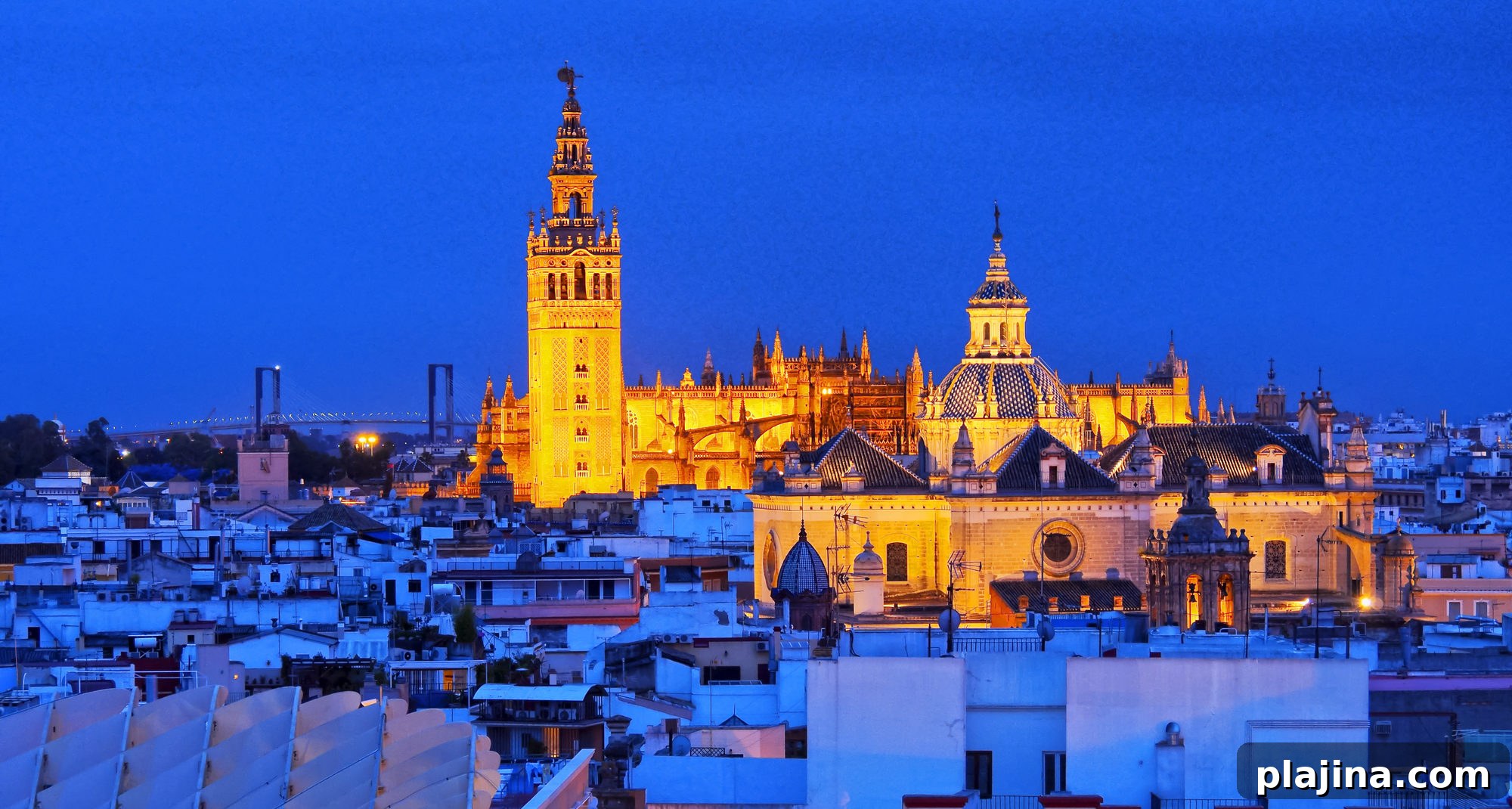
“London, Paris, and Rome often top the list for first-time visitors to Europe, but the continent offers countless lesser-known cities that deliver equally rich cultural experiences without the crowds. If you prefer a trip focused on authentic discovery rather than typical tourist routes, consider exploring some of these overlooked European destinations that rarely appear in guidebooks.”
Instead of the usual capitals, these smaller cities and regional gems offer a mix of historic architecture, local cuisine, vibrant arts scenes, and unique landscapes. They tend to be more affordable, less crowded, and provide a closer look at everyday life in their countries. Many have well-preserved historic centers, independent cafes, family-run restaurants, and markets where you can sample regional specialties. Public transport and manageable walking distances make them easy to explore, while nearby countryside or coastal areas offer opportunities for day trips and outdoor activities.
When choosing an off-the-beaten-path city, think about what you most enjoy: medieval streets and castles, modern art and design, food and wine, or nature and seaside charm. Eastern Europe, the Iberian Peninsula, and parts of the Balkans hide particularly rewarding options—cities with Ottoman, Roman, or Habsburg influences that tell layered stories through their architecture and local traditions. In Western Europe, smaller towns in France, Italy, and Portugal provide intimate vineyard tours, regional festivals, and artisan workshops.
Many travelers find that staying in a lesser-known city allows for more meaningful interactions with locals. Without the pressure of high-season crowds, guides and shopkeepers often have time to share personal recommendations and hidden spots that aren’t listed online. This makes it easier to discover unique museums, neighborhood galleries, and family-owned eateries where recipes and crafts have been passed down through generations.
Practical tips for planning a trip to overlooked cities: check regional transport hubs and consider arriving by train or a short flight to a nearby airport. Renting a car can be useful in areas where public transit is infrequent, but many compact cities are entirely walkable. Book accommodations in advance for popular local events or festivals, and look for guesthouses or boutique hotels to support local businesses. Learn a few basic phrases in the local language—residents often appreciate the effort and it can enhance your experience.
These quieter destinations also offer excellent value. Museums may have lower entrance fees, restaurants often charge less than their capital-city counterparts, and local crafts can be more affordable. Because tourism is less intense, conservation efforts and local culture remain more intact, giving visitors a more genuine impression of the place.
Finally, allow flexibility in your itinerary. Spending an extra day or two in one of these cities can reveal unexpected delights: a neighborhood festival, a workshop with a local artisan, or a scenic hike just beyond the city limits. By opting for overlooked European cities, you’ll likely return home with more personal memories, original stories, and a deeper appreciation for the continent’s diverse and quieter corners.”
Read more at trazeetravel.com.