
Urban farming is redefining farm-to-table and has become increasingly important. As cities embrace sustainable practices, on-site vertical and regenerative urban gardens are appearing worldwide. These projects aim to make fresh, affordable organic produce more accessible, create urban carbon sinks, and provide community access to expert guidance and educational resources on gardening in city environments.
Below are travel destinations that exemplify the urban farming movement:
WorldMark Portland Waterfront Park
Located in the heart of Portland and powered largely by renewable energy, WorldMark Portland Waterfront Park launched an on-site demonstration garden that supplies a local CSA with fresh produce for families. The project was led by regenerative urban farmer Dan Campbell and serves as an educational hub. Campbell hosts monthly complimentary workshops covering soil health, native beekeeping, biochar, carbon capture, pickling, pruning, and other practical skills for urban gardeners.
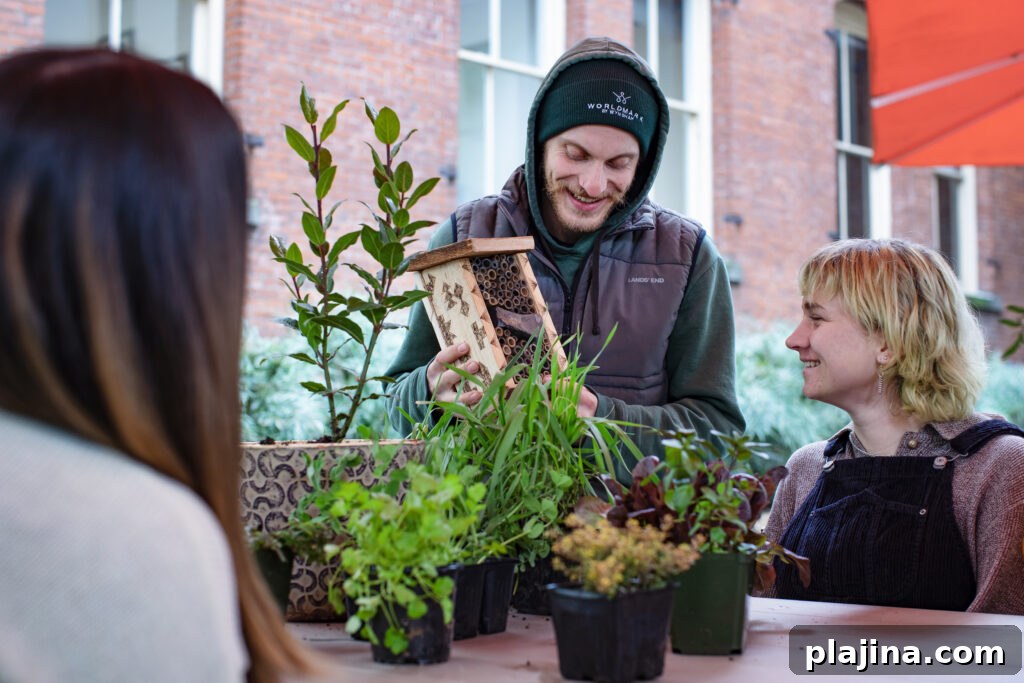
© WorldMark by Wyndham
Accor Hotels
Accor Hotels has made a major investment in urban agriculture by installing more than 1,200 fruit and vegetable gardens across its properties. This initiative supports the company’s goals to reduce emissions associated with food transportation and to minimize food waste by producing ingredients close to where they are consumed.
Four Seasons Hotel Melbourne
Melbourne’s new Four Seasons Hotel plans an ambitious biophilic design featuring an extensive vertical garden that will rise prominently on the building. The integration of living plant systems into the architecture creates a vertical mini-metropolis that enhances air quality and visual connection to nature for guests and residents.
Fairmont Waterfront
At Fairmont Waterfront in Vancouver, the hotel encourages guests to dine locally with a large green roof on its third-story terrace. The 2,100-square-foot garden grows about 20 varieties of fruits, vegetables, herbs, and edible flowers. Recognized as a Certified Wildlife Friendly Habitat, the space supports biodiversity and is home to approximately 250,000 honeybees that produce more than 200 pounds of honey each year.
The Peninsula Hotel, Bangkok
The Peninsula Hotel in Bangkok cultivates native Thai produce, herbs, and spices—such as kaffir lime, turmeric, and local herbs—and incorporates them into the hotel’s cocktails, cuisine, and spa treatments. The garden also provides a tranquil green retreat within the busy city, contributing to guest wellbeing and a sense of place.
These urban farming initiatives demonstrate how hospitality and urban design can work together to support local food systems, reduce environmental impact, and offer educational opportunities for guests and communities. As demand for sustainable, locally grown food grows, more properties are likely to adopt similar approaches, turning concrete and rooftop spaces into productive, restorative landscapes.