
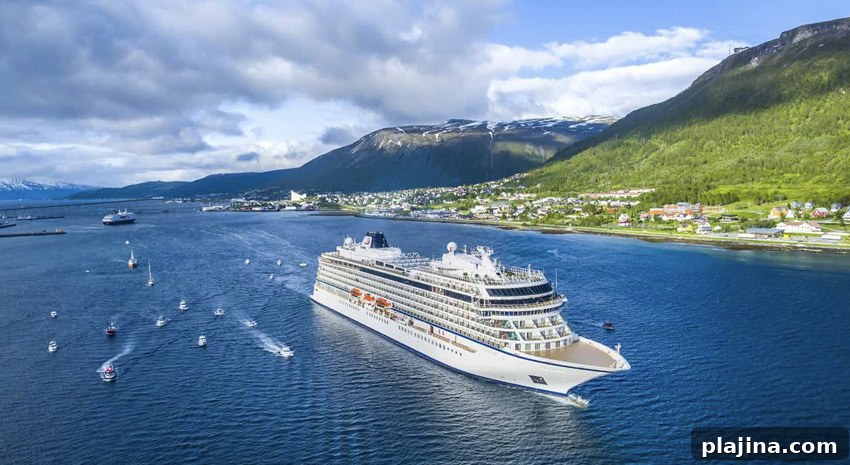
The year 2019 brings an exciting array of new ships, itineraries and themes designed to appeal to a wide range of travelers. From multigenerational and active vacations to wellness, soft-adventure, cultural, culinary and educational experiences, cruising continues to diversify. With options spanning luxury to value-based offerings, the industry now presents appealing choices for every taste—large ocean ships, intimate small-ship voyages, river cruises and expeditionary trips all have loyal followers and repeat guests.
“It’s an exciting time for cruising in all regards,” says Ralph Grizzle, founder of Avid Cruiser and River Cruise Advisor. River cruising is expanding to include more active choices like biking, hiking, yoga and other wellness activities, along with larger and more sophisticated vessels. In short, there is a style of cruising to suit nearly everyone.
For travelers who enjoy touring Europe, river cruising often provides a more relaxed experience than coach tours because you unpack once and your floating hotel moves with you. Explorers will find expedition cruises that access remote regions and offer activities such as kayaking, snorkeling and excursions by small boats. Fans of big-city glitz and nonstop entertainment will appreciate large ocean ships that feature Broadway-style shows, casinos, theme-park attractions, numerous dining venues and expansive sun decks. Those seeking a quieter, more intimate experience can opt for small ships that emphasize fine dining and curated shore excursions with fewer crowds.
Industry trends reflect this broadening of options. Cruise lines are expanding into new segments and introducing crossover offerings: companies known for river cruising are building ocean ships, and ocean cruise lines are launching smaller or expedition-oriented vessels. Many operators are also enhancing sustainability, adding greener technologies and emphasizing regional cuisine, local craft beers and cocktails inspired by ports of call. River cruise itineraries increasingly include guided bicycle tours and wellness-focused programming, while expedition lines continue to grow their luxury and adventure offerings.
The major ocean cruise lines—those with ships typically carrying more than 1,000 passengers—introduced several notable vessels in 2019. Royal Caribbean debuted Spectrum of the Seas on Jan. 2 with room for more than 4,000 guests. Norwegian Cruise Line followed with a new ship on Jan. 5 accommodating around 3,900 passengers. Costa Cruises rolled out Costa Smeralda on Jan. 6 with a capacity of over 5,100. Early January also saw new ships entering service for Princess Cruises and Carnival, each designed to host several thousand guests and to offer a wide mix of dining, entertainment and onboard amenities.
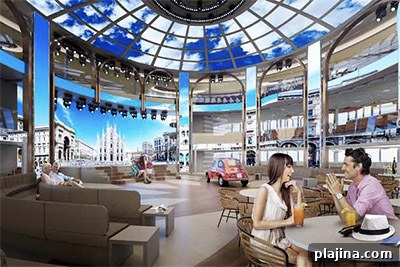
Colosseo © COSTA
Smaller ocean ships are also making an impact. Viking Ocean Cruises, which entered the ocean market in 2015, continued expanding its fleet in 2019 with Viking Jupiter, a 930-passenger ship adding to its oceangoing series and contributing to Viking’s long-term goal of a larger, consistent collection of ships. Azamara launched sailings to Alaska for the first time using two of its 690-passenger vessels, reflecting the line’s focus on immersive itineraries that attract both first-time and millennial cruisers as well as longtime guests.
Windstar Cruises, known for intimate ships and all-suite accommodations on several vessels, emphasized carefully curated sailings and custom experiences for small-ship travelers, adding new itineraries and a wide range of European ports. Tauck expanded its small-ship program as well, introducing five new small-ship cruises and adding more guided bicycle excursions across destinations.
River cruising also saw significant new launches in 2019. Viking, a longtime player in river cruising, continued to grow its fleet with several new Longships—each carrying about 190 passengers—and a smaller vessel built for Portugal’s Douro River. Viking’s Longships showcased sustainability upgrades such as topside herb gardens, solar panels and more efficient hybrid engines to reduce vibrations and fuel use.
In May 2019 AmaWaterways unveiled AmaMagna, the line’s largest river ship to date. Twice the width of a standard river cruise vessel, AmaMagna features multiple dining venues, a sports platform and larger staterooms. The ship was designed to appeal to travelers who had previously assumed river ships were too small or limited in dining and activities. AmaMagna also introduced a concierge golf program for Danube sailings, arranging tee times, transfers and on-site services to deliver a seamless golf experience for guests.
Other river cruise additions included Uniworld’s new Super Ship S.S. Bon Voyage, sailing southwestern France, and CroisiEurope’s MS Amalia Rodrigues on Portugal’s Douro River. These launches reflect a continued focus on destination-driven experiences, elevated onboard service and thoughtful vessel design.
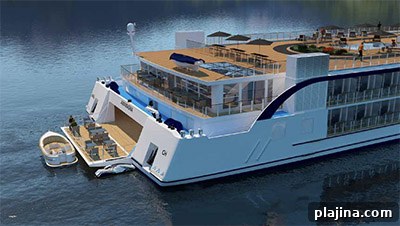
AmaWaterways’ sports platform © AMAWATERWAYS
Expedition cruises represent one of the fastest-growing segments in the industry, offering adventurous travelers unique access to remote destinations. In March 2019 Ecoventura launched MV Theory, a 20-passenger mega-yacht built to high environmental standards for Galápagos expeditions and designed to deliver 5-star comfort in wild settings. Other operators expanded polar and Arctic programs, including new departures from the British Isles that cross the Arctic Circle and explore remote island chains and frozen seas.
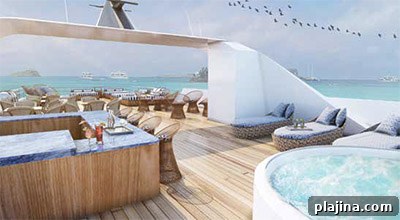
Ecoventura’s MV Theory sundeck © MATT DUTILE
Overall, the cruise industry in 2019 emphasized choice, sustainability and enhanced onboard programming. Whether travelers seek active exploration, cultural immersion, wellness and relaxation, or family-friendly entertainment, the expanding fleet options and creative itineraries make it easier than ever to find a cruise that matches personal preferences and travel goals.