
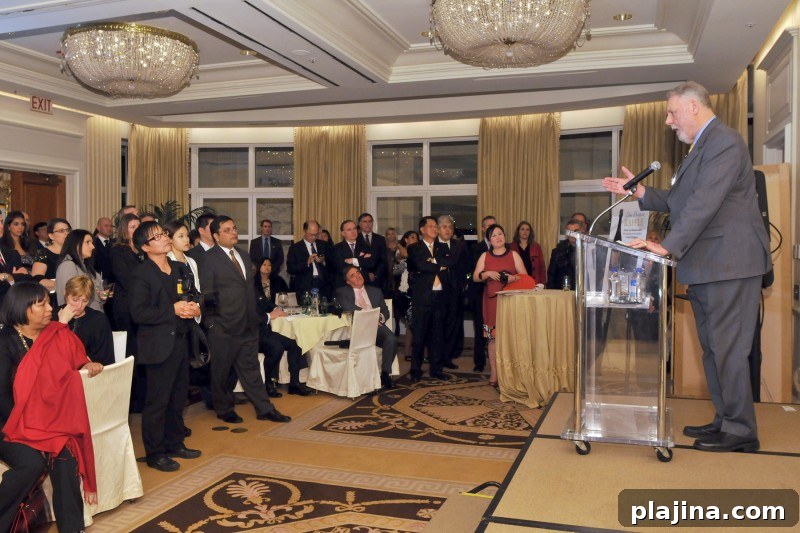
- Terry Waite
Terry Waite is a prominent humanitarian, author, and communicator whose life and work have influenced many around the world. Known for his long-standing commitment to peace, reconciliation, and interfaith dialogue, Waite has spent decades advocating for the dignity and rights of individuals affected by conflict and captivity. His experiences, particularly during his years in captivity in Lebanon, shaped his perspective and deepened his resolve to support those suffering from injustice.
Waite’s writing and public speaking focus on resilience, compassion, and practical steps toward reconciliation. He has authored several books that mix personal memoir with spiritual reflection, offering readers insight into coping with adversity and rebuilding life after trauma. His voice is often described as calm, thoughtful, and grounded in a strong ethical framework, which makes his guidance relevant across faiths and cultures.
Throughout his career, he has worked with governments, religious institutions, and non-governmental organizations to promote conflict resolution and to assist those affected by hostage situations and political unrest. Waite’s approach emphasizes listening, empathy, and the practical needs of people caught in difficult circumstances. He advocates for humane treatment and for policies that protect vulnerable communities while encouraging dialogue between opposing parties.
Recognition of Waite’s work has come through invitations to speak at international forums and ceremonies that honor humanitarian achievement. His presence at award events and conferences underscores the importance of moral leadership in addressing global challenges. He is often asked to reflect on how individuals and institutions can respond constructively to crisis, drawing on his own experiences to illustrate the power of patience and measured action.
Beyond public appearances, Waite remains engaged in mentorship and advisory roles, supporting new generations of activists, negotiators, and faith leaders. He encourages practical training in mediation and pastoral care, believing that structured preparation helps communities respond more effectively when conflict arises. His counsel frequently stresses the need for long-term support systems for survivors of trauma, rather than short-term interventions that fail to address deeper wounds.
Waite’s legacy is one of perseverance and moral clarity. He demonstrates how personal hardship can be transformed into sustained public service, inspiring others to work for peace and human dignity. Those who study his life find lessons in humility, steadfastness, and the importance of maintaining hope even in the most challenging situations.
As conversations about conflict resolution and humanitarian response evolve, Terry Waite’s contributions continue to inform practitioners and the public. His combination of lived experience, reflective writing, and practical engagement provides a model for integrating compassion with effective action. For readers and listeners seeking guidance on resilience and reconciliation, Waite’s work remains a valuable and enduring resource.