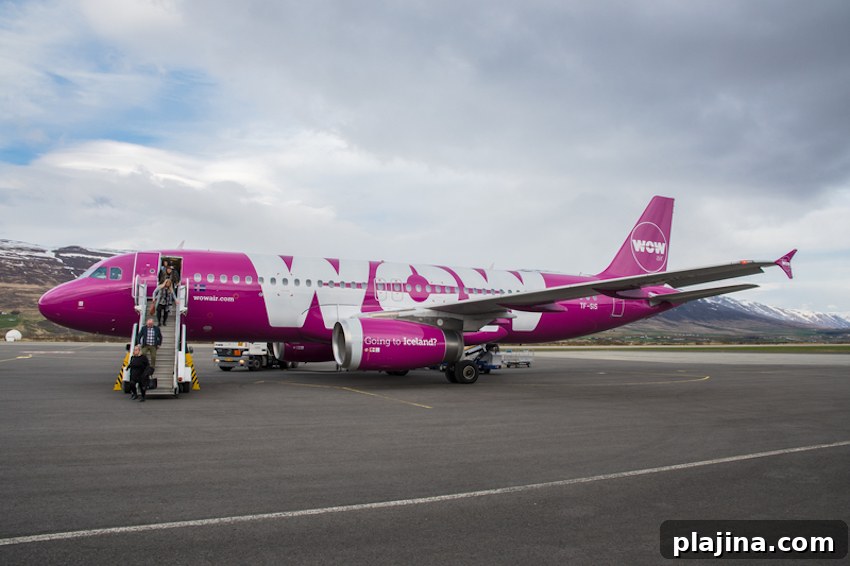
In a proposed transaction, Icelandair has agreed to acquire its low-cost rival, WOW air. The deal, valued at approximately $18 million in shares, remains subject to approval by Icelandic shareholders. If approved, the acquisition would place WOW air under new ownership while both carriers are expected to continue operating independently.
Founded in 2011, WOW air built a reputation as an ultra-low-cost carrier that made transatlantic travel more accessible by offering low base fares between Europe and the United States. Its business model relied on unbundling: many services that full-service airlines include in the ticket price—such as checked baggage, seat selection, extra legroom and onboard refreshments—are offered as optional, paid add-ons.
WOW air operated primarily on narrow-body aircraft optimized for cost efficiency on long thin routes. That approach allowed the airline to undercut traditional carriers on price, attracting price-sensitive leisure travelers and those willing to trade some comfort and convenience for lower fares.
By contrast, Icelandair operates as a more conventional, full-service carrier. It targets a broader mix of customers, including business travelers who expect amenities like included checked baggage allowances, in-flight service and more comfortable seating options. Icelandair’s network and product are designed to provide a higher level of service and consistency compared with a no-frills carrier.
The potential combination highlights two distinct strategies within the same market: WOW air’s low-cost, unbundled model focused on affordability, and Icelandair’s full-service approach aimed at travelers who prioritize comfort and convenience. Maintaining separate operations could allow each brand to continue serving its core customer segments without diluting either carrier’s value proposition.
Pending regulatory and shareholder approvals, the transaction would enable Icelandair to expand its presence in the budget segment while preserving its existing full-service offering. For consumers, the acquisition might mean more coordinated connectivity or shared resources behind the scenes, but passengers using either carrier would likely see minimal immediate changes if the airlines continue to operate independently.
As with any pending acquisition, final terms and the timeline for integration remain subject to confirmation. Shareholder votes and any required regulatory reviews in Iceland will determine whether the deal moves forward and under what conditions both airlines will operate going forward.