
Even the most experienced business traveler or the best personal assistant benefits from well-designed smartphone apps. What began as convenient tools are now essential for managing trips efficiently. While apps like Google Maps, rideshare services and general travel apps are indispensable, specialized business travel apps reduce the friction of switching between multiple platforms and consolidate key tasks into single interfaces.
“When evaluating apps, prioritize offline capability, strong security, and seamless calendar and booking integration,” advised Muzammil Sayed, cofounder of NYC Leather Jackets. “The best travel apps work so smoothly behind the scenes that you only notice them when you need them.”
Some platforms combine itinerary management, expense tracking and travel policy compliance in one place. Navan, for example, uses AI to monitor itineraries, receipts and approval workflows while syncing expense reports with a company’s finance systems. It personalizes recommendations based on traveler preferences, corporate policy and past behavior. SAP Concur suits larger organizations by integrating with accounting solutions such as QuickBooks and SAP, ensuring financial data moves between systems without heavy manual input. TravelPerk stands out for sustainability features like a carbon footprint tracker, helping companies and travelers make greener choices.
© Truely Pte Ltd.
TripIt is another example of a tool that simplifies travel. “With apps offering end-to-end itinerary management, travelers can be more spontaneous and focused on the purpose of their trip,” said Yunna Takeuchi, cofounder and CXO of City Unscripted. TripIt aggregates flights, hotel reservations and car rentals into a single, easy-to-read itinerary, enabling smoother transitions and more meaningful cultural interactions during business travel.
Expense management apps like Zoho Expense, Payhawk, Happay Expense and Expensify streamline receipt capture, expense logging and report submission. Zoho Expense allows managers to set spending limits and enforce expense policies to keep teams within budget. Payhawk combines expense management with corporate travel features, and Happay Expense integrates directly with corporate credit cards to simplify reconciliation.
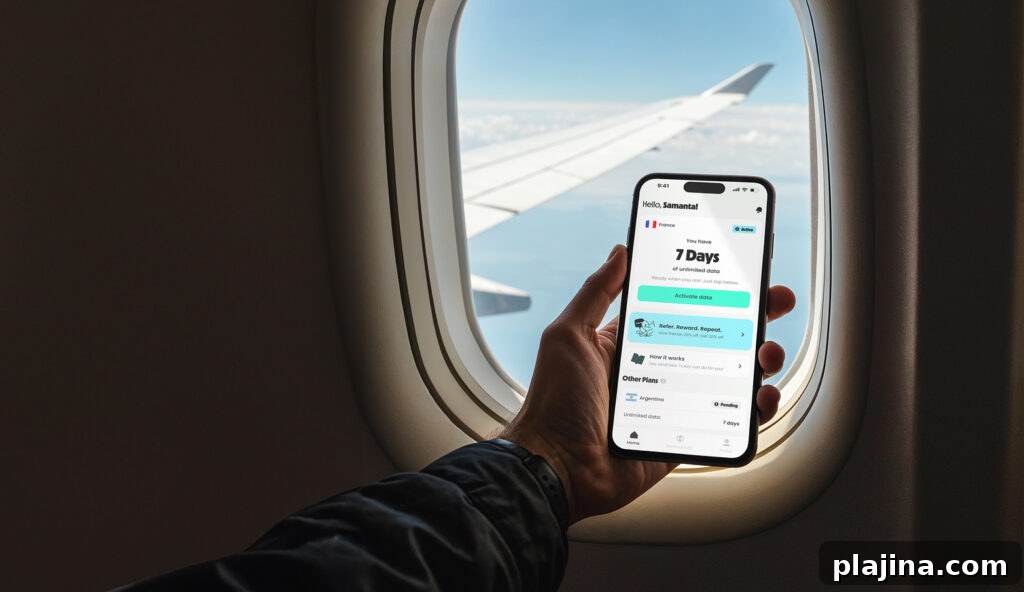
Security and connectivity are also vital. VPN apps and eSIM provider apps improve secure communications and reduce roaming costs. For example, Truely eSIM offers features such as freezing unused eSIM data to carry forward, helping travelers avoid wasted data and reduce costs while maintaining reliable connectivity. Jetpac eSIM offers dual-network switching so users stay connected if one network fails; additional benefits can include offline access and complimentary airport lounge access during long delays.
“The best apps reduce noise rather than create alerts,” said Miguel Angel Gongora Meza, founder of Evolution Treks Peru, who prefers management tools such as Tripgrid 2.0 and Navan. “The most effective apps save travelers two to three hours of paperwork after each trip.”
When selecting travel apps for business, focus on those that integrate with your existing systems, provide robust security, offer offline functionality and streamline both itinerary and expense workflows. The right combination of tools can transform a hectic trip into a well-organized, productive experience that respects company policy, saves time and supports traveler well-being.