
Foraging tours have become a sought-after part of culinary travel, appealing to travelers who value sustainability, local flavors and outdoor experiences. Booking.com’s Travel Predictions 2026 identifies foraging as part of a “hushed hobbies” trend: many travelers want opportunities to connect with nature, and a large share express interest in staying at properties where they can harvest food from the surrounding landscape.
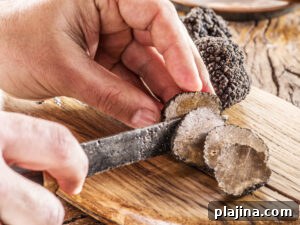
© VALENTYN75 | DREAMSTIME.
Modern foraging experiences are often led by trained mycologists, botanists and local experts who can safely identify edible species, explain seasonal cycles and highlight the ecosystems that support wild foods. This expertise reduces risk and deepens the learning element of each outing.
Offerings vary widely by region. In northern Europe, truffle and wild mushroom hunts attract guests keen to learn species identification and sustainable harvesting techniques. Coastal areas draw seaweed and shellfish foragers who combine tide-line ecology with hands-on gathering and culinary demonstrations. Many tour operators now package these activities into multiday programs that blend education, fieldwork and meals prepared from freshly gathered ingredients.
Some companies specialize in immersive wild-food travel. They organize guided expeditions, teach foraging ethics and host meals that celebrate the harvest. Others pair foraging with tasting events at local farms, vineyards or restaurants so participants can sample what they collect in thoughtfully composed dishes.
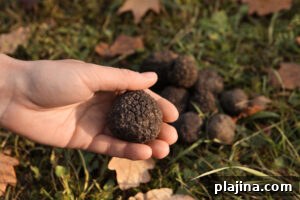
PHOTO: © CHERNETSKAYA
| DREAMSTIME
Regional programs often reflect local biodiversity. In parts of the southeastern United States, guides lead guests through areas that support hundreds of edible species, with seasonal tours highlighting mushrooms, wild greens, flowers and other edibles. Locally partnered restaurants then transform those ingredients into meals that showcase regional flavors.
Many hotels and resorts now offer on-site or curated foraging workshops for guests. Coastal properties may include seaweed harvesting demonstrations and lessons in using natural brines, while forested lodges host mushroom walks that teach safe identification and post-harvest handling. These activities are popular as half-day workshops or as part of longer culinary retreats.
Urban foraging remains a popular entry point for many people, with organized walks that explore parks, riverbanks and community green spaces. City-based programs teach participants how to recognize edible plants in an urban environment, as well as how to harvest responsibly and legally. Coastal cities also run specialized sessions for seaweed or shellfish harvesting on nearby shores.
Luxury travel providers have incorporated foraging into higher-end itineraries as well. On some cruises and bespoke tours, guests join trained foragers and scent-trained dogs for truffle hunts or coastal foraging excursions, combining the thrill of the search with expert interpretation and gourmet dining experiences.
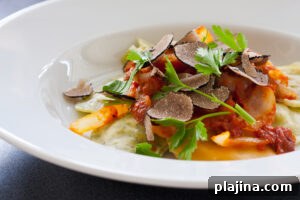
© SHUTTLECOCK
| DREAMSTIME.
Larger tour operators also include foraging experiences alongside cultural and culinary programming. These excursions typically emphasize local knowledge, seasonal timing and food-safety practices, and they often culminate in chef-prepared meals that celebrate the day’s harvest.
Travel providers say the appeal of foraging stems from its ability to connect people to place. By learning what landscapes produce and how communities have historically used wild foods, travelers gain a more meaningful understanding of local ecosystems and culinary traditions—making the experience both educational and memorable.