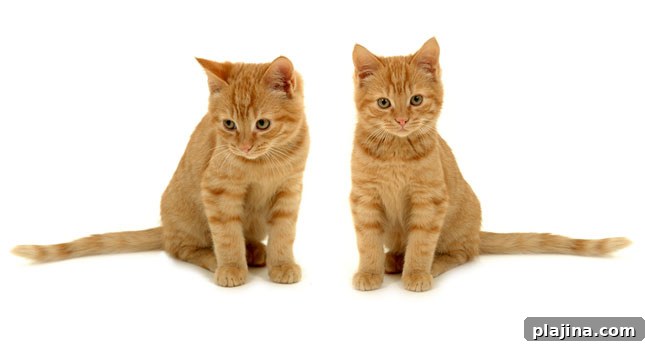
No sooner had the barista turned her back than an orange tabby leapt onto the counter, nosing a tray of cups, saucers and spoons to the floor with a terrific crash. The apron-clad young woman sighed and bent to tidy the spill while the mischievous cat wandered over to investigate a customer’s coffee mug.
Mischief like this is part of the charm inside Korea’s cat cafés, where animal lovers—often high school girls and the occasional boyfriend—come to sip espresso and stroke up to a dozen felines of various breeds. Though the concept originated in Taiwan and was popularized in Japan, cat cafés have multiplied across Korea in recent years, in part because many apartment buildings prohibit pets.
Despite the potential for chaos in a small room full of roaming cats, attentive staff and constant cleaning keep the space comfortable for visitors. Frequent vacuuming and tidy maintenance mean guests can relax with their lattes without worrying about clumps of fur in their drinks. The cafés enforce clear rules: visitors may pet the cats or try to engage them with toys, but picking up a cat or disturbing a napping feline is forbidden. A raised boardwalk along the ceiling gives the cats a place to observe the room from above, and a flat-screen television often plays looped footage of birds and squirrels to pique their interest.
As cat memes and viral videos continue to dominate social media, the appeal of kitty cafés shows little sign of slowing. Enthusiasts elsewhere are responding: for example, Londoners reportedly raised more than £100,000 to open a cat café in their city this year, suggesting the trend is spreading beyond East Asia and attracting passionate support from animal-loving communities worldwide.
For many visitors, a trip to a cat café offers more than coffee—it provides a calm, playful environment where people can interact with animals in a controlled, hygienic setting. Staff prioritize the wellbeing of the cats, maintaining routines that ensure the animals have quiet spaces to retreat to, regular feeding schedules, and opportunities for play and socialization. These measures help balance the needs of the cats with the desires of guests to cuddle and engage with them.
Cat cafés also serve social needs that go beyond pet ownership. In urban settings where space is limited and pets are often banned in rental housing, cafés give city dwellers a way to enjoy animal companionship without the responsibilities of long-term care. They can be a refuge for stressed workers seeking a peaceful break, a meeting place for friends, or a child’s first gentle encounter with animals under supervised conditions.
While each café varies in size and style—some emphasizing minimalist décor, others offering elaborate play structures—the common thread is a focus on a safe, clean environment that benefits both cats and visitors. Proper hygiene, clear conduct rules and responsible staff supervision are central to their appeal, helping to ensure that the experience remains pleasant for everyone involved.