
PHOTO: © CLAIRE SLINGERLAND | DREAMSTIME.
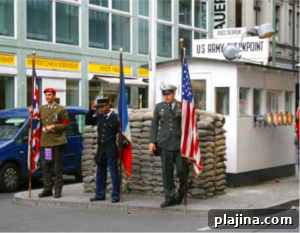
Berlin is a vibrant metropolis of about 3.57 million people, spread across roughly 60 square miles and divided into 12 distinct districts. Even people born after the Wall came down in 1989 often orient themselves by referencing its former line. In the center, Mitte blends modern design and art with notable museums and historic architecture. To the east, Prenzlauer Berg is a popular family neighborhood filled with children’s shops, playgrounds and family-friendly cafés. Friedrichshain, once a rundown part of East Berlin, has evolved into a lively area with bars, clubs and the East Side Gallery, a preserved stretch of the Wall covered in murals. On the west side, Charlottenburg-Wilmersdorf offers timeless elegance, while Kreuzberg, recently gentrified, hosts important sites such as the Jewish Museum and the famous Checkpoint Charlie.
Berlin has become a major hub for financial technology and startups. According to industry reports, the city ranks among the world’s top locations for fintech innovation. Several global brands began here, including Delivery Hero and SoundCloud. Local tech communities such as Silicon Allee help incubate ideas, connect entrepreneurs and host regular meetups where founders pitch concepts and collaborate. Nearly half of new entrepreneurs in Berlin are not German, reflecting the city’s international appeal. Major global companies — from Google and Microsoft to Apple and Oracle — maintain large operations here, employing thousands. Significant investments continue to arrive, exemplified by Tesla’s announcement of a major Gigafactory in the Berlin-Brandenburg region.
CHECKING IN WITH BURKHARD KIEKER
CEO, visitBerlin
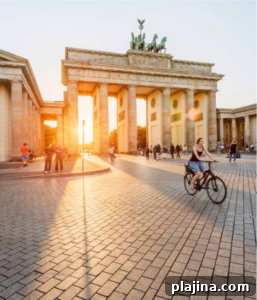
PHOTO: ©VISITBERLIN, PHOTO: DAGMAR SCHWELLEv
What would you suggest business travelers — especially first-time visitors — see and do in Berlin to get a sense of the city’s culture and diversity?
Berlin draws visitors for its culture, history and relaxed lifestyle. After visiting iconic sites such as the Brandenburg Gate, the Reichstag and the Humboldt Forum, I recommend exploring the city’s museums. Museum Island alone holds five world-class museums. To experience Berlin’s diversity, spend time in several of the 12 neighborhoods — each has its own character, stories and cultural mix that together define the city’s reputation as a place of freedom and open expression.
How have Berlin and Germany become leaders in sustainability, especially sustainable tourism?
Sustainability is central to Berlin’s development and tourism strategy. As the city’s destination marketing and management organization, visitBerlin works with tourism and convention partners to promote responsible, population-friendly tourism and to integrate sustainability into product development. visitBerlin is a member of the Global Sustainable Tourism Council and ranks well among international metropolises in sustainability indices, reflecting ongoing efforts to make tourism more sustainable for residents and visitors alike.
Please speak to Berlin as a wellness and health destination.
Berlin attracts many international patients who choose the city for advanced medical care and specialist services. Several hospitals and clinics are geared toward international patients, and the city hosts numerous medical congresses each year. In partnership with Health Capital Berlin Brandenburg, visitBerlin provides information about hospitals, clinics and specialists to help international patients and medical visitors find appropriate care and services.
What is the outlook for business and investment opportunities in Berlin?
Berlin is a creative and innovative center, a major startup hub and an important science and technology location. The city supports businesses, investors and research institutions through organizations such as Berlin Partner, which offers expertise, funding information and assistance in finding suitable locations and talent. Efforts to expand international flight connections and attract long-haul routes are part of a broader initiative to strengthen Berlin’s global business ties and investment potential.
DIVERSIONS
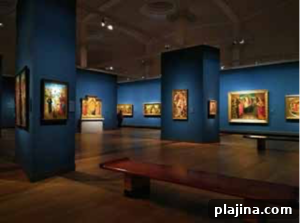
During the warmer months, Berliners enjoy strolling, cycling along more than 390 miles of bike paths and lingering in outdoor cafés. In winter, the city’s nightlife, concerts and festivals continue year-round; a highlight is the Berlinale International Film Festival. Berlin also offers more than 180 museums. Art lovers can see Rembrandt works at the Gemäldegalerie, admire the 3,000-year-old Nefertiti bust at the Egyptian Museum, and walk the 4,200-foot East Side Gallery to view murals painted on the remaining sections of the Wall. The Neue Nationalgalerie, a modernist landmark by Ludwig Mies van der Rohe, reopened recently after renovation, showcasing early 20th-century art.
© ZOYA RUDASHEVSKAYA | DREAMSTIME .COM
A three-hour boat tour on the Spree River is a relaxed way to take in the cityscape while enjoying a local beer. The Reichstag building, with its iconic glass dome, offers striking views — consider dining at the rooftop restaurant for nighttime panoramas. Berlin’s dining scene includes more than 7,000 restaurants, many focused on sustainable and plant-based cuisine, and the city hosts 23 Michelin-starred establishments. Cafés are a cultural staple, from quick standing spots to elegant venues where people work and socialize.
For shopping, Kurfürstendamm (locally known as Ku’damm) offers high-end retail and chic boutiques reminiscent of grand European boulevards. For nightlife and social dancing, places like Clärchens Ballhaus — a century-old ballroom — attract both young and older crowds. For a taste of Berlin’s historic entertainment, catch a cabaret show at Tipi am Kanzleramt featuring classic décor and a vintage marquee.
LODGING
Hotel Adlon Kempinski Berlin
This historic 382-room hotel by the Brandenburg Gate offers luxurious rooms with premium amenities, attentive five-star service, an extensive breakfast buffet and unique touches such as a caviar bar. Kempinski FIT rooms provide in-room personal training sessions.
Unter den Linden 77
$$$$$
Regent Berlin
Regent Berlin features 156 rooms and 39 suites with marble baths and private French balconies. Guests enjoy refined dining under crystal chandeliers and wellness facilities that include full-body treatments and a Finnish sauna.
Charlottenstrasse 49
$$$$
SO/Berlin Das Stue
Housed in a landmark 1930s building that once served as the Royal Danish Embassy, this hotel combines 78 design-forward rooms and suites with a modern spa influenced by traditional therapies and serene views of the Tiergarten.
Drakestrasse 1
$$$$
DINING
12seasons
Chef Kamel Haddad presents a micro-seasonal concept with rotating four-, six- and eight-course menus each month, paired with wines from small German vineyards. A seat at the chef’s table is highly recommended.
Giesebrechtstrasse 3
$$$$$
Lovis
Chef Sophia Rudolph emphasizes local, seasonal and sustainable ingredients in contemporary German dishes, offering vegetarian menus and refined dining in garden surroundings at the Hotel Wilmina.
Hotel Wilmina, Kantstrasse 79
$$$$
Wilhelm Alexander Restaurant & Brasserie
Headed by chef Fabian Fiedler, this French-German restaurant in the Humboldt Forum serves historically inspired cuisine indoors or outdoors with river views, blending traditional flavors with modern techniques.
Humboldt Forum, Schlossplatz
$$$$
JUST THE FACTS
Time zone: GMT+2
Phone code: Country code: 49, City code: 30
Currency: Euro
Key industries: Life sciences, transportation, information and communication technologies, media and music, advertising and design, biotechnology, environmental services, construction, e-commerce and medical engineering
OFFICIAL LANGUAGE
German is the official language, though English is widely spoken across the city.
COMING AND GOING
U.S. citizens need a passport valid for at least three months beyond their planned departure from Germany. Travelers entering for reasons other than tourism, business or airport transit should check visa requirements before they travel.
INFO TO GO
Berlin Brandenburg Airport (BER), which opened in 2020, is located about 17 miles from the city center. Trains from the airport to Berlin’s central station run frequently and take about 30 minutes, with fares starting around €6.80. A taxi to the city center takes roughly 45 minutes and costs about €49. Chauffeured transfer services such as Sixt Ride are available for travelers seeking private transport.