
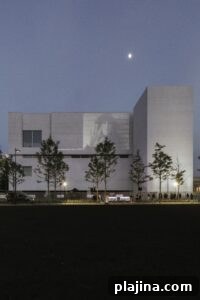
Last October, Muzeum Sztuki Nowoczesnej w Warszawie (Museum of Modern Art in Warsaw), also known as MSN Warsaw, opened its new home on Plac Defilad in the heart of Warsaw, Poland. The museum had operated in temporary spaces since its original opening in 2008, but the new building, designed by New York firm Thomas Phifer and Partners, provides 215,000 square feet and represents a major cultural addition to the city.
© Museum of Modern Art in Warsaw
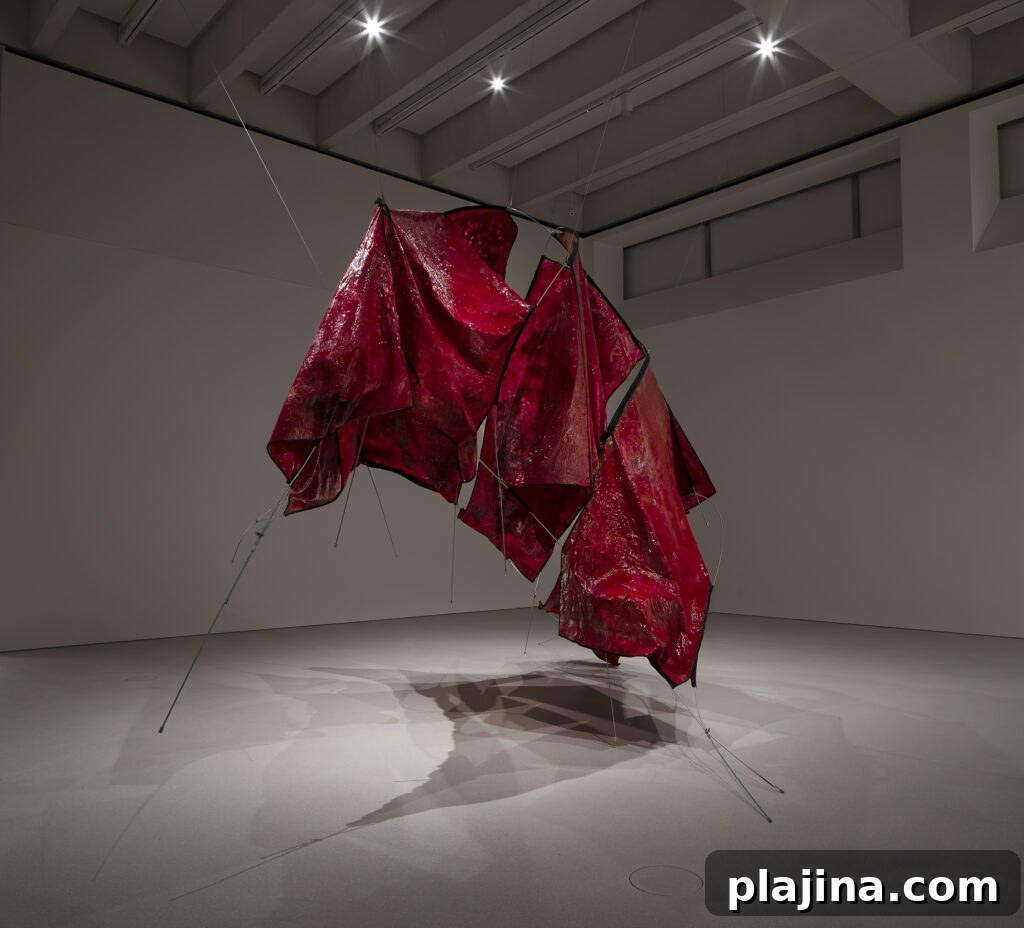
The museum’s program goes beyond exhibitions: MSN Warsaw hosts performances, social and educational events, concerts and lectures. During the opening month, the new building showcased several large-scale sculptures and installations by Polish and international women artists, including Magdalena Abakanowicz, Alina Szapocznikow, Sandra Mujinga and Cecilia Vicuña.
“We launched our operations with a show of works by women,” said Joanna Mytkowska, director of MSN Warsaw. “This approach aligns with a global effort to reassess and recover the presence of overlooked women artists. The portion of our collection assembled over the past 20 years acts as a manifesto supporting neglected parts of the art scene and continues our search for missing figures in art history.”
© Museum of Modern Art in Warsaw / Maja Wirkus
“We are showing both historic works, including a large abakan by Magdalena Abakanowicz, and contemporary pieces by internationally significant female artists such as Sandra Mujinga from the Democratic Republic of the Congo and Chilean feminist icon Cecilia Vicuña,” Mytkowska added.
Before the permanent building opened, the Warsaw Under Construction festival explored the context of creating a new home for MSN Warsaw on Plac Defilad — known in English as Parade Square — in the city center. Over the years, museum curators and invited artists contributed works and ideas that entered into a dialogue with the Palace of Culture and Science, a prominent Soviet-era landmark, and with the layered history of the surrounding space.
The discussion extended beyond art: curators and artists engaged urban activists and city authorities about the kind of public realm to be developed around the museum. They highlighted how, after 1989 and the end of communist rule, the area around Plac Defilad was reshaped by urban life and commerce, filling the square with bus stations, parking lots, arcades and restaurants.
© Museum of Modern Art in Warsaw / Marta Ejsmont
“It was very important that this new building be placed opposite the Palace of Culture and Science and symbolically shift the center,” Mytkowska said. “This is a building dedicated to open, equal and democratic culture.”
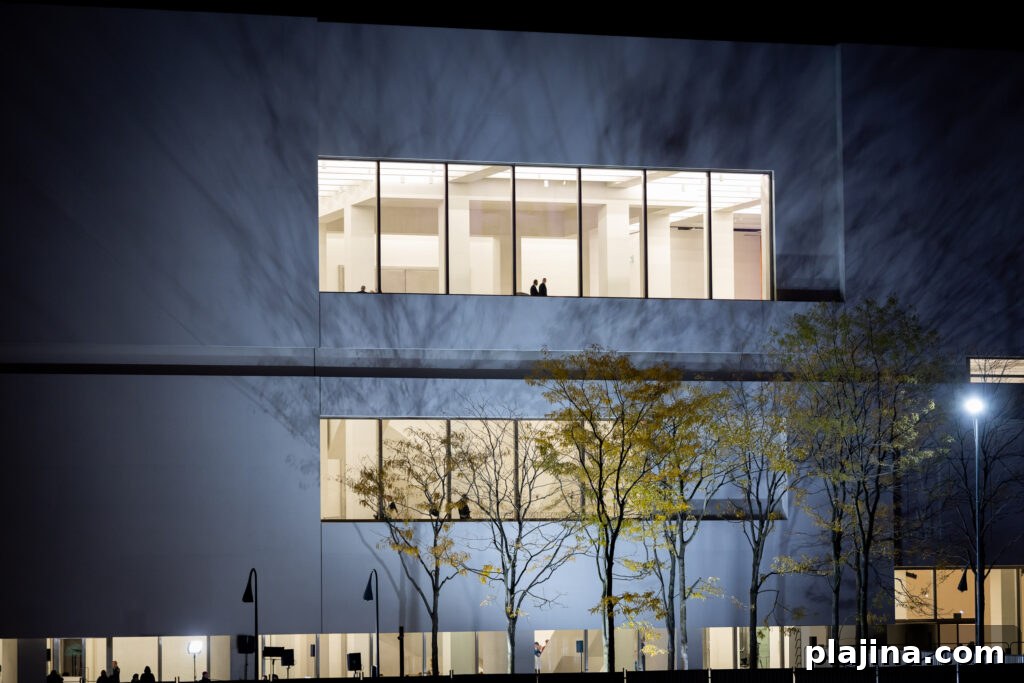
Today on Plac Defilad, the museum’s mass and minimalist white concrete façade sit between the soaring Palace of Culture and Science and the long retail block of Domy Centrum. After two decades as a nomadic institution, the Museum of Modern Art in Warsaw is now firmly embedded in the cityscape, offering engaging exhibitions and public spaces that attract both visitors and locals.