
The northern Italian region of Emilia-Romagna has a rich and layered history shaped by Etruscans, Gauls, Romans and early Christians. Many of its spiritual traditions remain visible today: the region already offered 21 pilgrimage routes, and in 2024 it added four new paths that follow the footsteps of saints and medieval travelers. These routes combine scenic landscapes, cultural heritage and a chance for quiet reflection.
Each trail invites walkers to reconnect with nature and explore the region’s historical and spiritual landmarks.
© Emilia Romagna Region Tourism Board
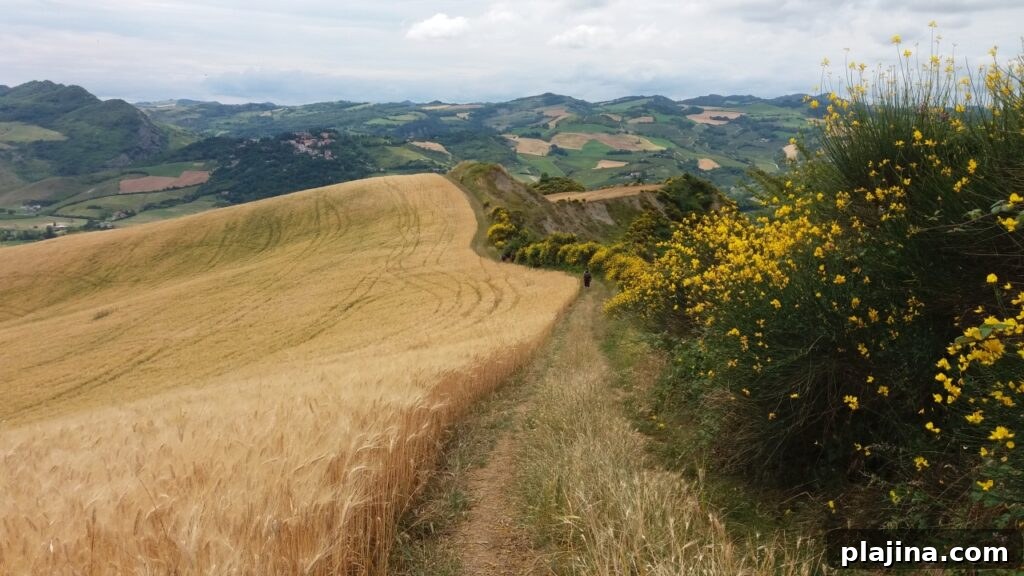
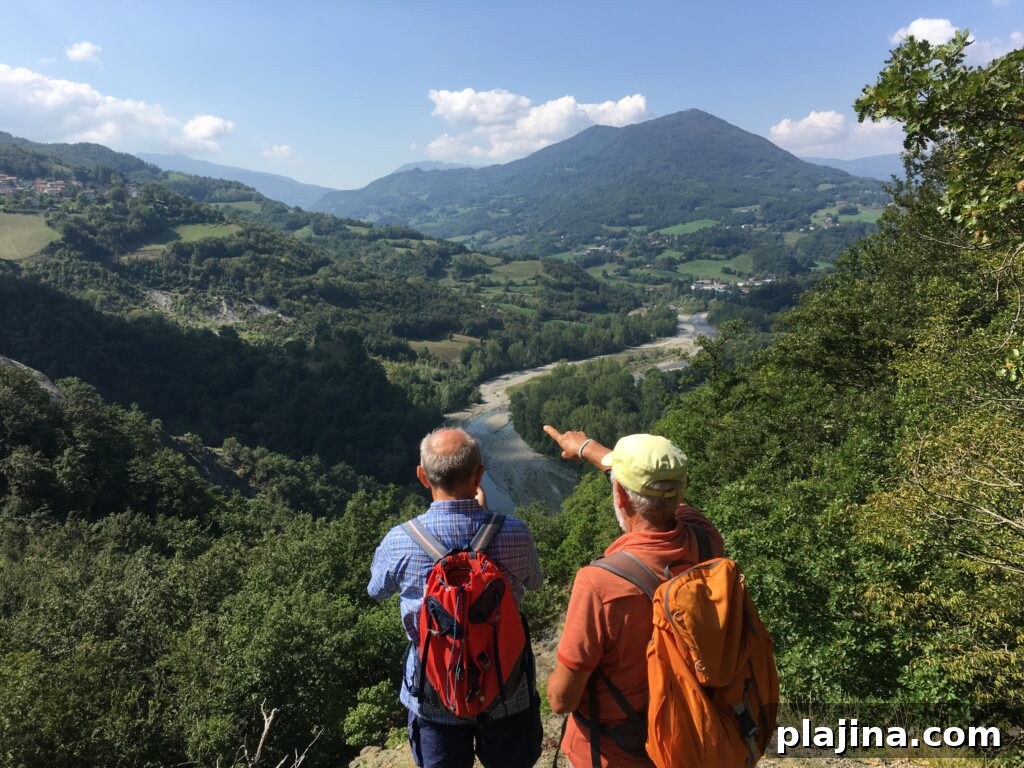
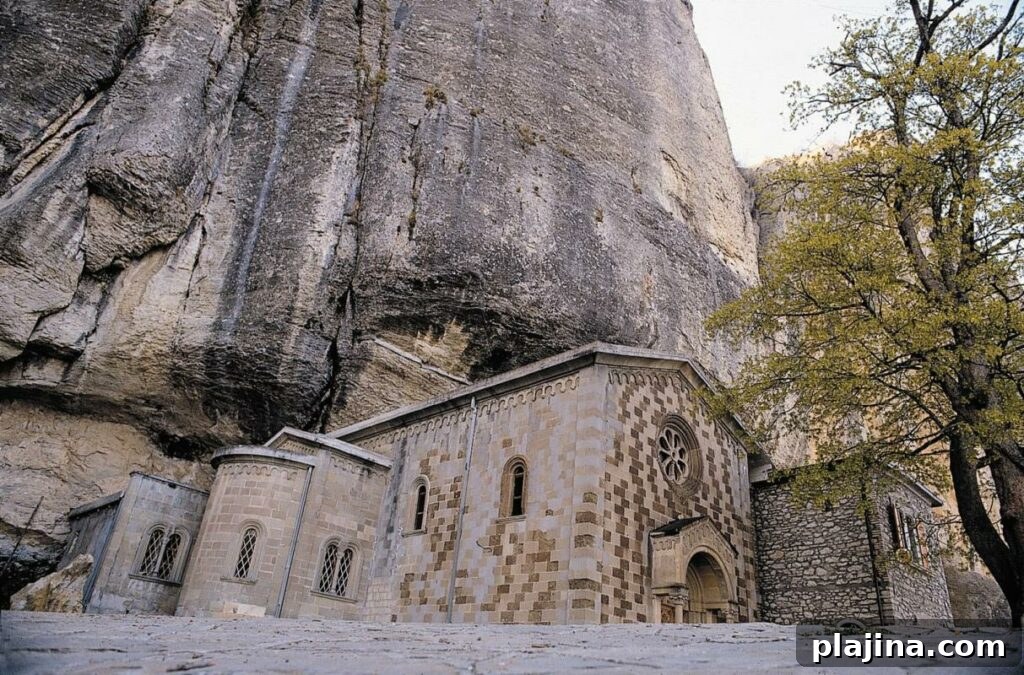
St. Columba’s Way
St. Columba was an Irish monk born in 540 A.D. in Leinster. Leaving from Bangor with twelve disciples, he spent more than thirty years traveling across Europe to found monasteries and spiritual communities. The modern St. Columba’s Way in Emilia-Romagna traces part of his journey, beginning in Soprarivo, northwest of Piacenza, and ending at the Grotta di San Colombano in the Trebbia River Valley. The path offers a blend of rural scenery and historical sites that echo early medieval monastic life.
© Emilia Romagna Region Tourism Board
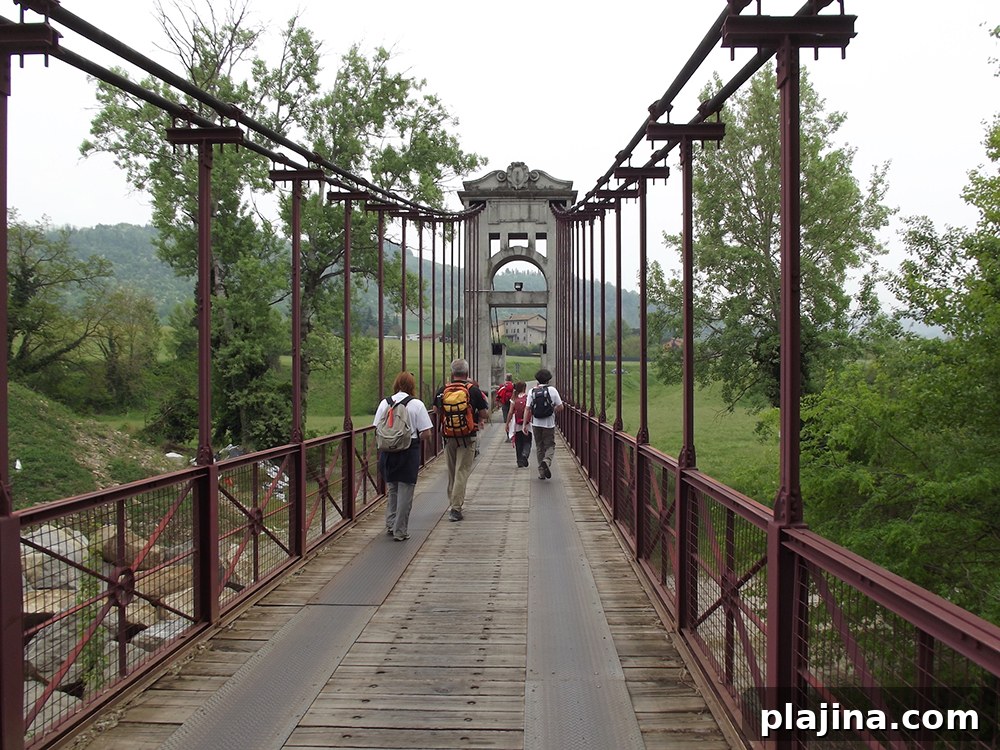
The Romea Germanica Imperiale Way
The Romea Germanica Imperiale Way connects Trento and Arezzo, passing through Modena. This historic corridor, part of the broader Romea Germanica network, served religious, military and commercial purposes for Celts, Etruscans and Romans, and later for Lombards, Franks and other Germanic peoples. Along the way are art-rich cities like Modena and charming hamlets such as Fiumalbo, recognized among Italy’s most beautiful villages. The route also crosses the ancient Wool and Silk Road and runs alongside related pilgrim ways like the Romea Strata Longobarda Nonantolana and the Romea Nonantolana.
© Emilia Romagna Region Tourism Board
St. Anthony’s Way
Cammino di Sant’Antonio links key spiritual centers across Veneto, Emilia-Romagna and Tuscany. Starting at the Basilica of St. Anthony in Padua, the route heads south for roughly 248 miles, crossing the Po River into Emilia-Romagna, passing Ferrara and continuing toward the Sanctuary of St. Luke in Bologna. The trail winds past ancient parish churches, rolling Apennine ridges and historic villages, and it reaches the Casentinesi Forests National Park. Notable stops include Dozza, Brisighella and the Hermitage of Montepaolo. This way also intersects several important pilgrim paths, such as Dante’s Way, the Way of the Gods and St. Francis’ routes.
© Emilia Romagna Region Tourism Board
Piccola Cassia Way
The Piccola Cassia traces an ancient road that dates back to the establishment of Roman colonies in the fertile Po Valley. Today it stretches roughly 106 miles, moving from the gates of Modena across plains, gentle hills, gullies and vineyards before ascending toward dense mountain forests and broad meadows. The route follows the ridge between the Panaro and Samoggia valleys and then descends into the Reno valley, offering a mix of agrarian landscapes and higher-elevation scenery.
Together, these new routes extend Emilia-Romagna’s network of pilgrim paths, offering walkers varied terrain, cultural landmarks and quiet spaces for contemplation. Whether you seek history, nature or spiritual retreat, these ways provide accessible options for multi-day hikes and day trips alike.