
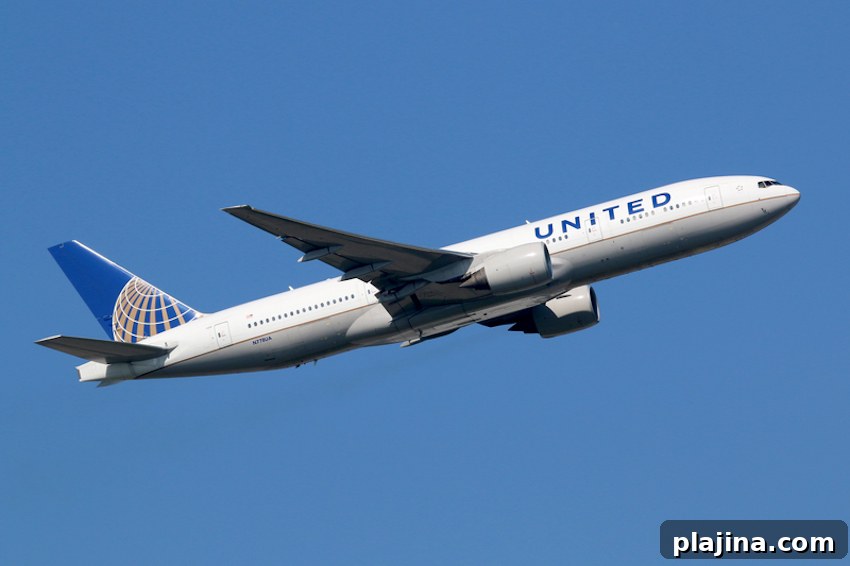
United Airlines is evaluating the use of sustainable aviation fuel produced from municipal solid waste. The initiative stems from United’s investment in Fulcrum BioEnergy, a company developing plants that convert household and commercial trash into low-carbon jet fuel.
Fulcrum plans to build a new facility in Gary, Indiana, designed to process roughly 700,000 tons of waste per year and produce about 33 million gallons of fuel annually. Under the partnership, United would have the option to purchase up to 15 million gallons from that plant once it becomes operational.
According to Fulcrum, their waste-to-fuel process can lower lifecycle greenhouse gas emissions by approximately 80 percent compared with conventional jet fuel, because it prevents waste from decomposing in landfills and emitting methane, a potent greenhouse gas.
Fulcrum already operates a facility and has another under development in Reno, Nevada. United’s agreement with Fulcrum covers potential supply from a planned network of up to six plants; together those facilities could provide as much as 90 million gallons per year to the airline.
To put that volume in context, United consumed roughly 2.5 billion gallons of jet fuel in the first nine months of 2018, so while waste-derived biofuel will not replace conventional fuel immediately, it represents a meaningful supplemental source. The adoption of sustainable aviation fuels is one of several strategies United is pursuing to reach its broader climate target of cutting greenhouse gas emissions in half by 2050.
Construction of the Gary facility is expected to begin in 2020, with an estimated build time of about 18 months before the plant comes online.