
Culinary travel is booming, and some of the most memorable stops aren’t Michelin-starred restaurants but quirky, food-focused museums and attractions. These lesser-known sites offer unique perspectives on everyday ingredients and the cultures that built industries around them. Here are three offbeat food destinations worth adding to your travel list.
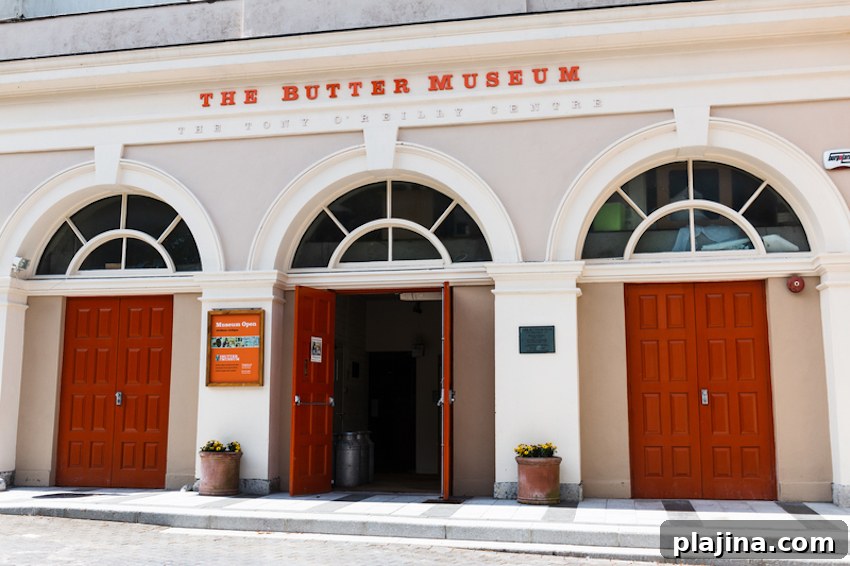
In Cork, Ireland, the Butter Museum sits in the historic Shandon neighborhood and celebrates the country’s long relationship with butter. The small museum offers live butter-making demonstrations and an audio-visual presentation that traces Ireland’s rise as a major butter producer. Exhibits include traditional butter-making tools, displays about the influential Cork Butter Market and Cork Butter Exchange, and unusual artifacts such as an old keg of butter and a beautifully illustrated collection of butter wrappers. The Butter Museum presents a concise, engaging story of how dairy shaped local economy and culture.
Middleton, Wisconsin, is home to the National Mustard Museum, founded by Barry Levenson. What began as a personal collection has grown into thousands of mustard varieties from all 50 U.S. states and more than 70 countries. The museum displays antique mustard pots, tins, jars and vintage advertisements alongside curated collections like the Gibbons Collection of mustard pots. For those who can’t visit in person, the museum maintains an active online presence with a blog featuring recipes, product news and practical mustard tips. It’s a playful, informative celebration of a condiment that’s more diverse than most people realize.
On Prince Edward Island in O’Leary, the Canadian Potato Museum greets visitors with a giant potato landmark at its entrance. The museum showcases an extensive assortment of potato-farming machinery and implements, illustrating how this humble tuber has influenced agriculture and daily life in the region. The site also includes historic buildings such as the Heritage Chapel, Log Barn, Little Red Schoolhouse and Telephone Switchboard Office, providing a broader look at rural life. After exploring the exhibits, visitors can stop by the Potato Country Kitchen to sample local specialties—options range from lobster-topped baked potatoes and traditional poutine to PEI potato soup and inventive treats like potato fudge.
These attractions prove that culinary travel doesn’t always mean dining at celebrated restaurants. Museums and themed eateries that focus on a single ingredient reveal rich histories, regional pride and surprising creativity. Whether you’re curious about the craft behind Irish butter, the global variety of mustard or the agricultural legacy of the potato, each destination turns a familiar food into a source of discovery and delight.