
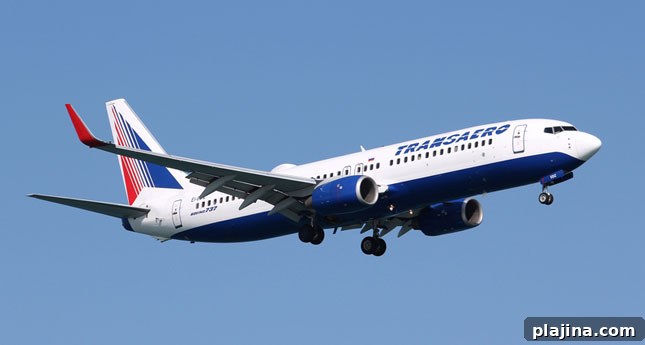
As part of an ongoing fleet renewal initiative, Transaero Airlines has taken delivery of a second Airbus A321. The aircraft is configured to carry 184 passengers, including eight seats in business class, and will be deployed on busy medium-range routes where demand is consistently high.
The addition of this A321 reflects Transaero’s strategy to modernize its fleet with fuel-efficient, right-sized airplanes that balance operating costs and passenger capacity. The carrier is prioritizing aircraft that offer better fuel burn and lower emissions per seat while providing a comfortable cabin experience for travelers.
Transaero’s fleet plan calls for continued reinforcement of medium-range capacity over the coming months. With this latest arrival, the airline increases its operational flexibility across domestic and regional networks and improves schedule resilience during peak travel periods. The new A321s will allow more frequent services on popular routes and enable better aircraft matching to passenger demand, helping to reduce the need for oversized equipment on thinner markets.
Earlier this year, Transaero received two A321s and one Boeing 737-800 as part of the same modernization effort. The carrier intends to take delivery of two additional A321s by the end of the year, further strengthening its medium-haul fleet and supporting growth plans without sacrificing efficiency. These deliveries are consistent with industry trends that favor single-aisle, fuel-efficient types for short- and medium-haul operations.
Passengers will find the cabin layout of the A321 tailored for a mix of comfort and capacity. The eight business-class seats provide enhanced comfort and service for corporate and premium travelers, while the economy cabin supplies ample seating for leisure and transit traffic. The A321’s range and payload capabilities make it suitable for a wide array of medium-range missions, from high-frequency domestic routes to regional international services.
Operationally, the airline expects the newer A321s to bring improvements in fuel consumption and maintenance economics compared with older-generation types. Reduced fuel burn contributes directly to lower operating costs and improved environmental performance, goals that are increasingly important to airlines, passengers and regulators alike. Additionally, commonality with other Airbus single-aisle types in Transaero’s fleet can help trim pilot training and spare-parts inventories.
Transaero’s use of the A321 on high-demand medium-range routes will also support better schedule reliability and passenger experience. By matching aircraft capacity to route demand, the airline can increase flight frequencies, offer more convenient departure times and reduce load-factor volatility. These operational advantages often translate to improved connectivity, shorter layovers and smoother transfer options for travelers.
The airline’s fleet renewal program is a multi-year effort focused on introducing modern, efficient aircraft that align with market demand and cost targets. Adding additional A321s is a logical step for carriers that seek to optimize unit costs while maintaining strong service levels. For Transaero, the latest delivery is another milestone in a rolling program of fleet enhancements aimed at strengthening its medium-haul product and supporting continued route development.
In summary, the arrival of the second Airbus A321 reinforces Transaero Airlines’ commitment to fleet modernization and improved operational efficiency. With seating for 184 passengers—including eight business-class seats—the aircraft will serve busy medium-range routes, complementing recent deliveries of Airbus and Boeing single-aisle jets and paving the way for further additions before year-end.