
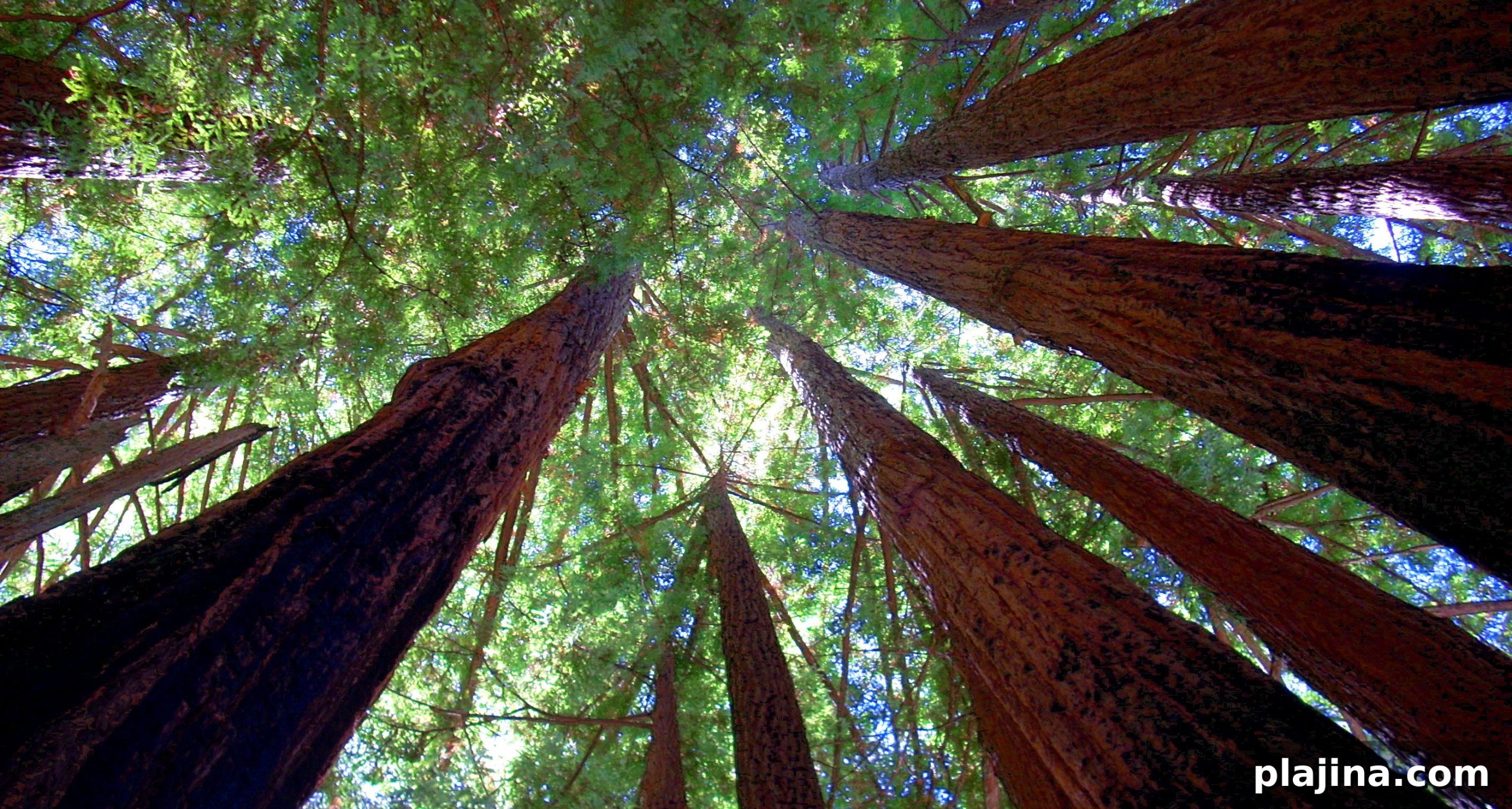
Northern California’s redwoods — among the oldest and tallest trees on Earth — are preserved across a network of state and national parks that are co-managed and easily reached for day hikes and weekend camping. These protected areas conserve inland forests with rich, multi-layered ecosystems, open prairies where elk graze, and coastal stretches where rocky beaches reveal vibrant tide pools.
The redwood parks offer a variety of experiences for visitors: towering coastal groves with cathedral-like canopies, fog-drenched valleys alive with ferns and moss, and rivers that carve through ancient stands. Trails range from short, accessible boardwalks to longer backcountry routes, allowing hikers of all skill levels to experience the majesty of the trees. Campgrounds and picnic areas provide family-friendly options, while campgrounds in more remote sections cater to backpackers seeking solitude beneath the canopy.
Conservation efforts in these parks protect not only the iconic redwoods but also the biodiversity they support. Understories shelter rare plants, amphibians, and birds; old-growth snags and fallen logs create habitat for fungi and insects that recycle nutrients back into the forest. Park managers balance public access with habitat protection through seasonal closures, designated trails, and educational programs that encourage Leave No Trace principles.
Beyond the forests, the parks include open coastal prairies and headlands where elk commonly graze and native wildflowers bloom in spring and summer. The coastline features rocky shores and sandy beaches with tide pools that host an array of marine life—sea stars, anemones, crabs, and small fish—visible at low tide. Interpretive signs and visitor centers help visitors understand the ecological connections between the redwood groves, freshwater systems, and the ocean.
Visiting the redwood parks is year-round, but seasonal conditions vary. Coastal fog in summer keeps temperatures mild and sustains the trees’ moisture; winter brings heavier rains that fill rivers and waterfalls, creating dramatic scenery. Planning ahead is recommended: check trail conditions, consider permits for backcountry camping, and prepare for cool, damp conditions even on sunny days.
Many parks in the system are co-managed by state and federal agencies as well as local partners and tribal nations, reflecting a collaborative approach to stewardship. Rangers and volunteers offer guided walks, interpretive programs, and special events that deepen visitor appreciation for the landscape and its cultural history.
Whether you’re seeking a short stroll beneath ancient giants, a day of tide-pooling along the coast, or a multi-day backpacking trip through old-growth forest, Northern California’s redwood parks provide accessible opportunities to connect with some of the planet’s most remarkable trees and the ecosystems they support.