
Good winemakers accept that climate sets the rules; it does not yield to human wishes. Planting varieties that suit the local climate is essential. In warm regions, cool-climate grapes can ripen and produce wine, but excessive sun and heat often mute the delicate flavors those varieties are known for.
Ontario, Canada, is a cool-climate wine region. Grapes grown there generally produce wines that are lighter-bodied, more aromatic, fruit-forward and higher in acidity than wines from hotter regions. For this reason, many Ontario vintners favor Chardonnay. While Chardonnay is a versatile variety grown successfully in many climates, results vary by region. In Ontario, Chardonnay tends to be more of a consistent success than a disappointment.
I recently tasted several Ontario Chardonnays and found them to be a pleasant contrast to the full-bodied, heavily oaked, buttery styles some drinkers expect. Their freshness and restraint were welcome.
Pillitteri Estates Winery’s Exclamation Cellar Series 2006 was barrel fermented and then aged an additional nine months in oak. Despite that oak influence, the wine maintains bright acidity and shows more toasty notes than heavy wood aromas, complemented by attractive fruit and a lingering finish.
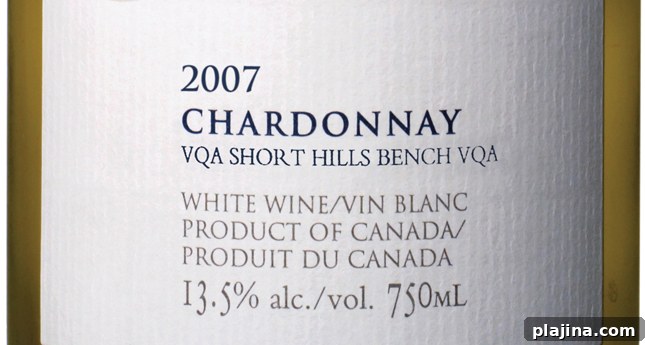
Henry of Pelham Family Estate Winery produces two distinct Chardonnays. The Speck Family Reserve 2007 offers a spicy, slightly almond-scented nose, a fruity palate and a long finish. Its Non-Oaked Chardonnay 2009, as the name implies, is made without oak ageing. Very pale in color and highly aromatic, it presents a fresh, clean, fruit-driven profile that provides a different, refreshing take on Chardonnay.
Southbrook Vineyards presented three notably individual Chardonnays. The 2008 Whimsy, from the vineyard’s first harvest, integrates oak smoothly while highlighting bright fruit—especially citrus—and a subtle creamy texture. Triomphe 2009 balances acidity and delivers lively, mouth-filling flavors with a lengthy finish. Poetica, a bottling that pays tribute to a Canadian poet with verses printed on the label, shows the 2003 vintage’s maturity and oak influence, offering more roundness and depth than overt fruitiness.
These wines cover a broad price range: the unoaked Chardonnay can be found for around $13, Poetica reaches about $62, and most of the selections fall between $22 and $35. Together they illustrate how Ontario’s cool climate produces Chardonnays that emphasize aroma, acidity and finesse rather than heavy oak and weight.