
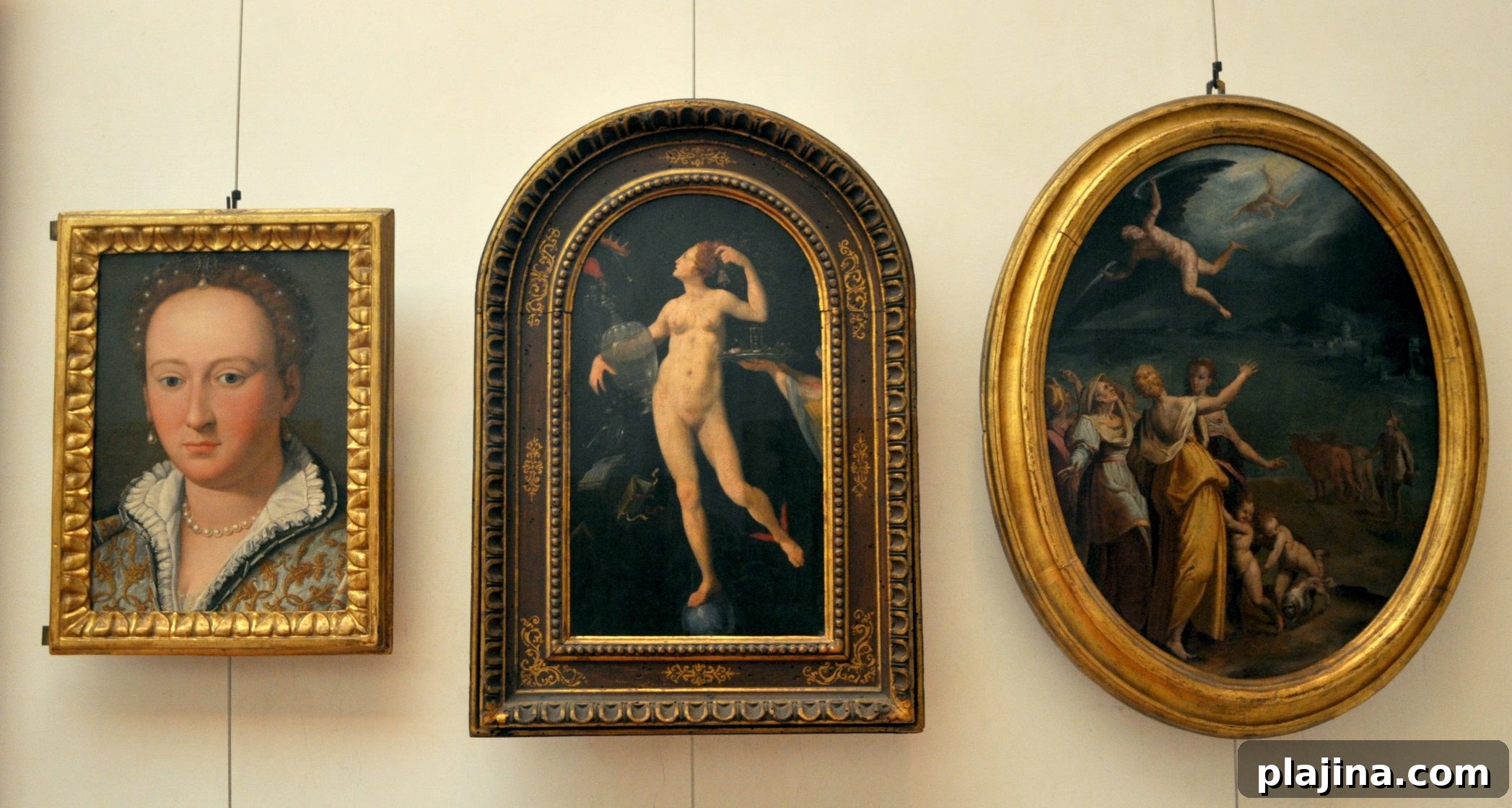
Florence, Italy, is famed for its pivotal role in the Renaissance and for streets lined with masterpieces and historic buildings. Visitors can enjoy the city’s atmosphere simply by wandering, but to truly appreciate Florence’s artistic and cultural legacy, a visit to its museums is essential. The museums preserve priceless works of painting, sculpture, decorative arts, and design, and they offer insight into the city’s social and political history as well as the techniques and patrons behind the art.
Many of Florence’s museums are located near one another, making it easy to plan an efficient itinerary. A few institutions focus on the great masters—Botticelli, Michelangelo, Leonardo da Vinci—while others showcase religious art, applied arts, or the city’s evolution from medieval republic to Renaissance capital. Museum collections vary from fresco fragments and altarpieces to rare manuscripts, textiles, and finely crafted metalwork. In addition to permanent collections, most museums host rotating exhibitions, educational programs, and conservation projects that highlight research and restoration work.
To get the most from a museum visit, consider the following practical tips. Check opening hours and any ticketing requirements in advance; some museums require timed tickets or reservations, particularly during high season. Look for combination passes or city tourism cards that include access to multiple sites—these can save money and reduce waiting time. If you want a deeper understanding of the works on display, book a guided tour or rent an audio guide. Guided visits often provide context about patronage, symbolism, and artistic techniques that are easy to miss on a casual walk-through.
Accessibility and visitor services vary by museum. Many major institutions provide wheelchair access, elevators, and seating areas, but older buildings and historic palazzos can present challenges. Museums typically offer restrooms, cloakrooms, and small cafés or bookshops where you can pause and reflect. Photography policies differ: some galleries allow non-flash photography, while others prohibit photos to protect delicate works. Respect signage and the guidelines set by each museum to help preserve the collections for future visitors.
While the most famous museums attract large crowds, smaller or lesser-known venues can offer quieter, more intimate experiences. These institutions often highlight specialized collections—textiles, coins, ceramic ware, or archives—that reveal complementary stories about daily life, trade, and craftsmanship. Visiting a mix of major and minor museums gives a fuller picture of Florence’s artistic production and social history.
Museums in Florence also serve as research centers and conservation hubs. Curators, conservators, and historians collaborate to study materials, techniques, and provenance, and public programs frequently present findings from these projects. Temporary exhibitions may showcase recent conservation successes or the discovery of previously unknown works, illustrating the ongoing nature of art historical scholarship. For students and enthusiasts, museum libraries and archives can offer valuable primary resources, though access often requires prior arrangement.
Plan your museum days with pacing in mind. Some galleries can be absorbed in an hour or two, while others, boasting extensive collections, can occupy a full day. Wear comfortable shoes, stay hydrated, and take breaks so you can absorb the artwork without fatigue. If you have limited time, prioritize works you most want to see and allow extra time for the pieces that reward slow looking—sculptures, complex altarpieces, and large fresco fragments in particular.
Finally, remember that Florence’s museums are part of a broader cultural landscape. Complement museum visits with walks through historic neighborhoods, visits to churches and artisan workshops, and stops at local markets. These experiences together create a richer understanding of Florence’s enduring artistic legacy and the living traditions that continue to shape the city today.