
With a history spanning millennia, Egypt is home to countless historic sites and cities where ancient civilization still speaks through monuments, temples, and streets. Below are five notable historic cities that capture the layers of Egypt’s past, each offering unique sights and stories for visitors seeking cultural depth and archaeological wonder.
1. Cairo
Cairo is Egypt’s sprawling capital and the country’s cultural and historical heart. The city blends ancient and modern: from the nearby Giza Plateau and its iconic pyramids and the Sphinx to the medieval lanes of Islamic Cairo, where mosques, madrasas, and bustling souks define the landscape. The Egyptian Museum on Tahrir Square houses an unparalleled collection of ancient Egyptian artifacts, including treasures from Tutankhamun’s tomb. Walks through Coptic Cairo reveal early Christian sites like the Hanging Church, while the street life, cafés, and traditional markets offer a vivid sense of contemporary Egyptian culture.
2. Luxor
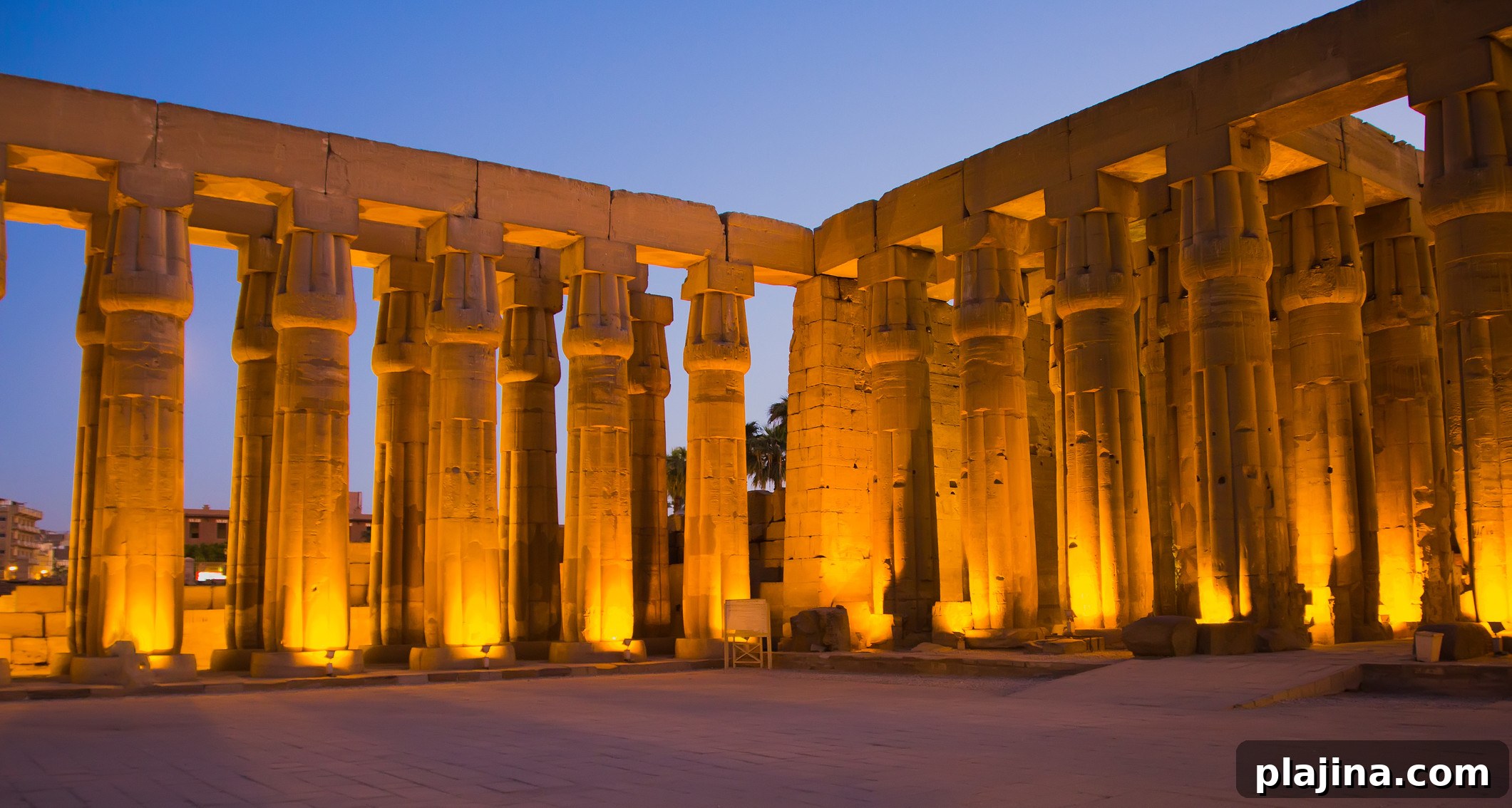
Luxor is often called the world’s greatest open-air museum. Built on the site of ancient Thebes, Luxor concentrates many of Egypt’s most impressive temples and monuments. On the east bank of the Nile stand the grand Temple of Karnak and Luxor Temple, monumental complexes that showcase ancient religious architecture and reliefs. Across the river, the Valley of the Kings and the Valley of the Queens contain royal tombs carved into the limestone, including richly decorated burial chambers. Luxor’s archaeological sites, museums, and seasonal festivals make it essential for anyone interested in Pharaonic history.
3. Alexandria
Founded by Alexander the Great, Alexandria has long been a Mediterranean crossroads of cultures. Though much of its ancient glory — including the famed Lighthouse and the Library of Alexandria — has been lost to time, the city still retains an intriguing blend of Greco-Roman heritage and modern Egyptian life. The modern Bibliotheca Alexandrina is a cultural hub, while ruins scattered along the coast, Roman mosaics, and Ottoman-era buildings reflect Alexandria’s layered past. Strolling the Corniche at sunset, visiting the catacombs of Kom El Shoqafa, or exploring the Citadel of Qaitbay all reveal facets of the city’s storied history.
4. Aswan
Aswan sits at the southern edge of Egypt’s Nile Valley and has long been a gateway to Nubia. The city is prized for its relaxed pace, dramatic river scenery, and significant archaeological sites. Philae Temple, dedicated to the goddess Isis, was carefully relocated to Agilkia Island after the creation of the Aswan High Dam. Nearby, the Unfinished Obelisk provides insight into ancient stone-working techniques. Aswan’s markets and felucca rides on the Nile offer opportunities to appreciate local life, while excursions to Abu Simbel — though technically a separate site farther south — are commonly launched from the city.
5. Memphis and Saqqara
Though not a single modern city, the ancient capital of Memphis and its necropolis at Saqqara form an essential historic complex near modern Cairo. Memphis, once Egypt’s political center, preserves ruins and statuary that hint at its former prominence. Saqqara, serving as the burial ground for Memphis, is famous for the Step Pyramid of Djoser — the earliest large-scale stone monument in Egypt — and numerous mastaba tombs decorated with reliefs. Together, these sites illuminate the early development of Egyptian funerary architecture and royal power.
Each of these cities offers a different perspective on Egypt’s long and layered history. From monumental temples and royal tombs to Hellenistic ports and living urban traditions, exploring these places provides a deeper appreciation of the civilizations that shaped the Nile and the Mediterranean world.