
SPEND JUST A FEW MINUTES in downtown Seattle and one thing becomes clear: new construction is everywhere. The Emerald City continually reinvents itself and reinvests in its residents. From upgraded infrastructure and tourist attractions to innovative public- and private-sector projects, local government and businesses are actively working to improve a city recently ranked second in the nation for overall health by Wallethub.
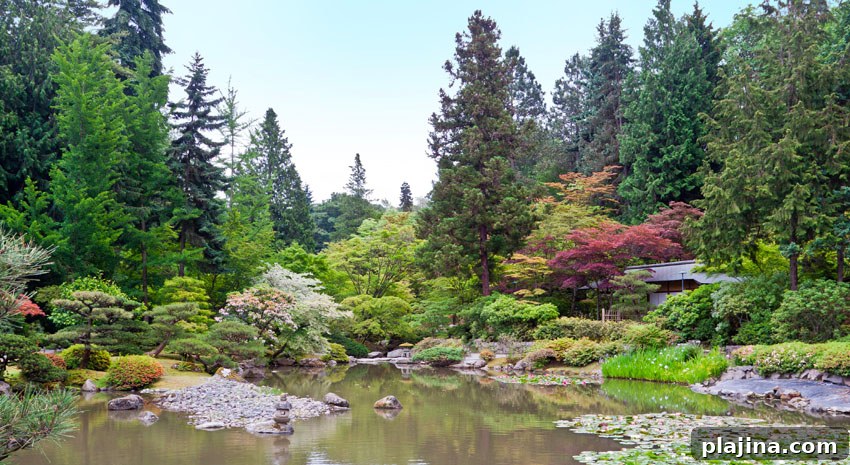
Washington state is widely known for its outdoor culture and healthy lifestyle, and Seattle exemplifies that reputation. The Washington Park Arboretum remains a premier destination for residents and visitors, offering serene native landscapes across 230 acres. The recently completed 1.2-mile Arboretum Loop Trail, begun in 2016 and opened to the public in late 2017 with a formal grand opening in April 2018, expands opportunities for healthy urban recreation.
The free loop, open from dawn to dusk, supports the arboretum’s mission of conservation, education and recreation. It provides a safe, accessible place for walking, jogging and bicycling while allowing people to enjoy the lush surroundings and varied plant collections.
Seattle’s strong economic base contributes to low unemployment—around 3.6 percent compared with the national average in early 2018—and a vibrant job market supported by major employers such as Amazon, Starbucks and Nordstrom. These companies not only provide employment but also help sustain a thriving local economy.
One challenge in dense urban centers is ensuring employees and neighbors have access to nature and restorative spaces. Amazon, headquartered in downtown Seattle, has addressed that with the Amazon Spheres. Opened in January, these plant-filled domes in the Regrade District offer a park-like environment for employees and guests seven years in the making.
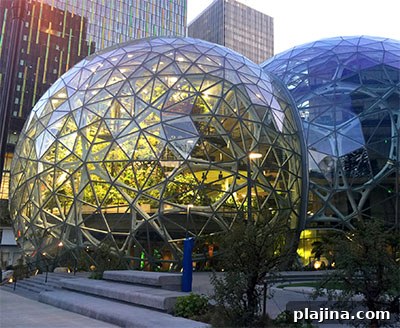
Amazon Spheres © EUGENIA LAZARIS
The biophilic design of the spheres supports a living forest experience in the heart of downtown. A full-time horticultural team cares for more than 40,000 plants, creating shared spaces where employees and visitors can connect with nature. The unique structures offer a refreshing contrast to the surrounding high-rises and aim to foster creativity and well-being.
Representatives from Amazon say that interaction with a living environment encourages curiosity and innovation, supporting employee wellness and productivity. As a major employer, Amazon’s approach could influence broader workplace design trends in Seattle and beyond.
Seattle’s evolution goes beyond new buildings. Community initiatives and public health programs are advancing a healthier city for everyone. The Seattle Healthy Kids Coalition recently helped pass a tax on sugar-sweetened beverages, following examples set by cities like Berkeley and Philadelphia, where similar measures reduced sugary drink consumption.
“The attractive thing about Seattle is that it has a reputation for investing in the community. We value our natural resources, clean water and clean air,” says Aaron Pickus, a spokesman for the Seattle Healthy Kids Coalition. The coalition focuses on reducing the public health impacts of excess sugary beverage consumption and supporting healthier choices for residents.
Pickus adds that while the economy is booming, not all residents share equally in that prosperity. The sugar-sweetened beverage tax is designed to help ensure more equitable benefits by funding community health programs that support populations disproportionately affected by targeted marketing and related health challenges. Revenue from the tax will supplement programs such as Fresh Bucks, which matches food assistance benefits with vouchers for fresh fruits and vegetables at local markets.
Even the iconic Space Needle is receiving a major update. The $100 million renovation—sometimes called a “spacelift”—includes enhancements to the observation deck and a first-of-its-kind revolving glass floor for the SkyCity Restaurant at the tower’s summit. The project is expected to be completed later in 2018.
SCENIC DRIVES
For those who want to explore beyond the city, scenic drives provide a chance to experience Washington’s natural beauty. About 60 miles north on Interstate 5 lies Chuckanut Drive (State Route 11), a winding 24-mile, two-lane road that traverses evergreen forests in the Chuckanut Mountains and descends to the rocky coastline of the Salish Sea. This unique route is one of the few places where the Cascade Range meets the sea. The drive between Burlington and Bellingham’s Fairhaven district can be completed in roughly 45 minutes without stops, but allowing five to six hours gives time to enjoy overlooks, beaches and the sunset over the San Juan Islands.
Closer to Seattle, take a ferry roughly 25 miles north to Clinton on Whidbey Island, then follow Whidbey Scenic Isle Way. This 48-mile byway offers a peaceful escape from city life, with beaches, wildlife viewing and opportunities to reconnect with nature. The drive itself takes just over an hour, not including time to stop and explore the island’s natural attractions.