
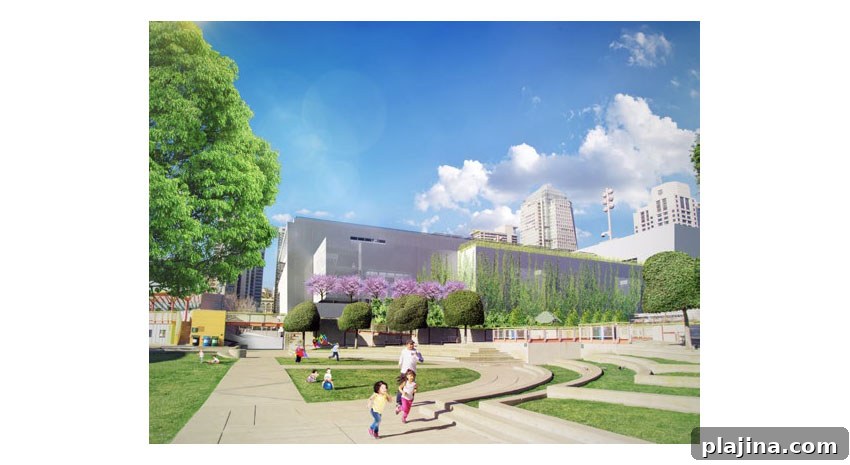
WITH A SHEEN OF CONSTRUCTION DUST still on the escalator handrails, Michael J. Wilson’s fingerprints are evident both literally and figuratively. As senior project manager for the Moscone Convention Center, Wilson surveys the completed third phase of a four-phase expansion with obvious pride. The eastern portion of the new building was finished on schedule in September 2017, and so far the project has avoided construction delays.
“It was essential since the biggest events of the year take place every September and October. Oracle and Salesforce alternate their events, and it felt like a race against time — which is always motivating,” he says.
When the western side is finished, projected for the end of 2018, the expansion will add 170,000 gross square feet of meeting space, a 50,000-square-foot ballroom, and an enclosed pedestrian bridge linking the existing North and South buildings. These additions make Moscone more competitive in a market where the venue previously offered less exhibit space per square foot than the nation’s top convention centers.
Beyond the statistics, Wilson highlights aesthetic details, such as a cohesive diamond pattern on hallway flags and windows that also reduces glare. “It can be a real challenge to make these large buildings pleasant to look at, but I think it’s been handled well with some very nice finishing touches,” he notes.
The center’s exterior artwork by Leo Villareal, Christine Corday, Sarah Sze and Brandon Monroe adds flair that helps the building fit into the dense urban fabric of the city. Nearby cultural landmarks like the Contemporary Jewish Museum and the future Mexican Museum help define the skyline. From the eastern wing terrace visitors can also see the lively children’s playground at Yerba Buena Gardens, featuring a 25-foot tube slide, climbing wall, labyrinth, fountains and more. Yerba Buena Gardens serves as an urban green oasis surrounded by hotels and retail, creating a symbiotic relationship with Moscone that will be further enhanced by major transportation projects.
The Transbay Terminal, scheduled for completion at the end of the year, will allow commuter rail passengers to reach the financial district without transfers. The 4th Street Central Subway project, expected in 2019, will improve routing and speed on several busy city thoroughfares, making travel to downtown destinations more efficient.
Transportation options are abundant for visitors heading to another of San Francisco’s green spaces, the Presidio. The PresidiGo shuttle system links three high-traffic areas in the city center with the Presidio and surrounding neighborhoods. These buses include bike racks, giving visitors access to a 24-mile trail network that connects beaches, nature sites, restaurants — including affordable options from respected local chef Traci Des Jardins — and institutions such as The Walt Disney Family Museum.
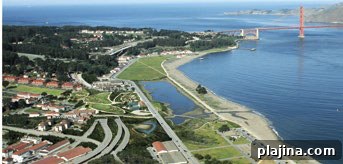
Aerial views of Presidio © PRESIDIO TRUST
The Presidio’s transformation from a military fort and parade grounds into a vibrant public space is dramatic. Where Army bands once performed, visitors now fly kites, attend food truck festivals, and gather for outdoor events. The Presidio Tunnel Tops project, slated for completion in 2020, will add 14 acres of parkland, including paths, gardens, campfire areas and an interactive playscape for children. The new park will sit above the former tunnel alignment for the Golden Gate Bridge, and its design is led by James Corner Field Operations, the landscape architecture firm behind Manhattan’s High Line.
“I was a Boy Scout, and from an early age I always knew how important it was to have access to the outdoors and green areas,” says Michael Boland, chief of planning at the Presidio Trust, which manages nearly all of the 1,480-acre site within Golden Gate National Recreation Area. “You have a historic site, camping and educational ecological experiences with free access just a few miles from the city center. It’s something special that not all major cities can claim.”
For travelers who prefer accommodations to sleeping under the stars, the Presidio offers the Inn at the Presidio, a 22-room boutique hotel, and the Lodge at the Presidio, a 42-room property scheduled to open this summer. The new lodge will provide some of the clearest and closest hotel views of the Golden Gate Bridge.
Closer to downtown, business travelers staying in Nob Hill benefit from the newly reimagined Stanford Court Hotel. Its $16 million redesign includes a refreshed porte cochère, lobby, café and bar, updated guestrooms, a fitness center and meeting spaces. Boutique touches like locally roasted coffee and curated music from a different San Francisco band on each floor enhance the guest experience. Lobby artwork is designed to appeal to tech-savvy travelers, with interactive panels that describe the artists and how to acquire prints.
SCENIC DRIVES
About 45 minutes from San Francisco, Napa and Sonoma remain popular destinations for both business and leisure travelers. The drive itself is part of the appeal: a scenic cruise over the Golden Gate Bridge provides excellent photo opportunities. Travelers can start early and stop in Petaluma for coffee and a French-style pastry at Della Fattoria Bakery, whose owner once baked bread for Chef Thomas Keller.
Wine lovers can visit family-run producers like Martinelli in Windsor or taste Bordeaux and Sonoma varietals at the new G&C Lurton Vineyard Tasting Room. Renting a car also makes it easier to reach natural attractions such as Armstrong Redwoods State Natural Reserve.
For those short on time, the hop-on, hop-off Napa Valley Wine Train offers antique Pullman cars and lunch or dinner service. Visitors without a designated driver can use the convenient weekday ferry from San Francisco, with additional weekend and holiday bus service connecting the same destinations.