

When ride-hailing companies Uber and Lyft arrived in 2011 and 2012, they transformed how people get around, steadily cutting into taxi revenues and changing urban transportation habits.
Both services operate through smartphone apps that let users request a car, enter a destination and pay electronically. That simplicity replaced the hassle of flagging down a cab, deciphering complex fares and handling cash payments, making on-demand rides fast and convenient.
The rider experience is often better with Uber and Lyft. Drivers may offer small comforts like bottled water, let passengers select music and provide clearer information about routes and costs. Ratings and feedback systems give riders a way to evaluate drivers and help maintain quality by identifying unsafe or unprofessional behavior.
For drivers, the app-based model can provide more flexibility than traditional taxi work. Drivers set their own hours, use their personal vehicles and may have opportunities to earn more than in some cab companies. Many of the tasks that used to complicate driving—handling fares, finding routes and tracking payments—are now automated through the platforms.
As ride-hailing grew, businesses began offering credits with these services instead of maintaining company cars, and the concentration of drivers in many cities has made Uber and Lyft common choices for commuting, errands and nights out.
Both companies, founded in San Francisco, experienced rapid expansion and helped create a multibillion-dollar industry. Uber grew especially quickly, reporting millions of users and billions of rides globally. At its peak metrics in the mid-2010s, Uber was operating in dozens of countries and fulfilled tens of millions of rides per month, outpacing traditional taxis in many major markets.

Two tourists in New York look at their phone and wait for a Lyft driver to arrive © BENOIT DAOUST | DREAMSTIME
Lyft, while smaller, built a strong presence in the U.S. market with millions of active users and hundreds of thousands of daily rides, operating across hundreds of cities nationwide. The company saw rapid growth in bookings and driver revenue in the late 2010s and signaled plans to expand further.
Both Uber and Lyft invested in self-driving technology to position themselves for future shifts in transportation. Uber launched autonomous vehicle pilots in selected cities, and Lyft partnered with driverless technology firms for limited trials. Regulatory rules in many places still required a human driver to be present during testing.
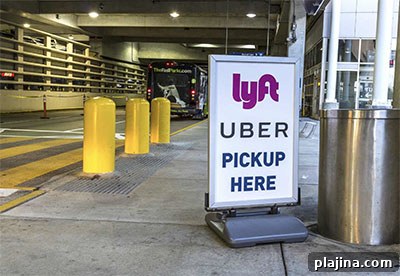
Airports even have Lyft and Uber pickup spots. © JONATHAN WEISS | DREAMSTIME
Despite strong demand and widespread adoption, both companies faced controversies and legal challenges. Uber in particular attracted high-profile criticism, from labor disputes and regulatory battles to corporate scandals. The company contended with protests in several cities, restrictions in some markets and a series of internal and public controversies that led to executive turnover.
Uber also faced legal and ethical scrutiny over tactics used to evade authorities, its handling of workplace culture issues and disputes related to its autonomous vehicle program. The company acknowledged data security incidents that raised questions about how it responded to breaches and communicated with affected users.
Lyft benefited from some riders switching services during periods of negative publicity for competitors, although it too faced scrutiny over pricing, driver compensation and claims about earnings. Both companies were frequently criticized over how platform economics affected drivers’ income and work conditions.
In response to criticism and driver feedback, the companies made product and policy adjustments. For example, Uber added an in-app tipping feature after driver and rider surveys showed it mattered to driver satisfaction; Lyft had long offered tipping options on its platform. Such changes aimed to address drivers’ concerns and improve driver retention.
Despite the challenges, Uber and Lyft remained major players in urban mobility, continuing to expand services, invest in technology and adapt to regulatory environments. Their impact on transportation — shifting millions of trips from traditional taxis and public options to app-based services — suggests ride-hailing will remain an important part of city transportation for the foreseeable future.