
SINCE ITS 2011 selection by the International Olympic Committee as the host of the 2018 Winter Olympic and Paralympic Games, PyeongChang, South Korea, has captured global attention. While many tuned in for the athletic drama, others were drawn to the region’s culture, scenic landscapes and a side of South Korea beyond Seoul.
Often called the “Alps of Korea,” PyeongChang is home to roughly 43,000 residents, many of whom work in agriculture. The area is about 80 percent mountainous, with an average elevation near 2,300 feet above sea level. Nearby Gangneung, with its misty seaside character reminiscent of some U.K. and U.S. northeastern coasts, lies along the coast and complements PyeongChang’s highland charms.
Long before Olympic-related renovations and infrastructure projects arrived, both destinations were popular with South Koreans. Business travelers come for golf and conferences in warmer months, families flock to Alpensia for winter sports and to Gangneung for beach holidays in summer, and the region attracts fall foliage enthusiasts eager to see the colorful seasonal displays.
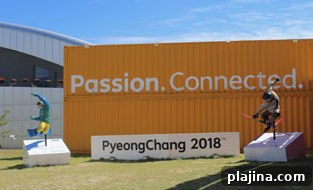
PyeongChang Olympic Center © ELYSE GLICKMAN
Today the region offers a welcome contrast to Seoul’s urban pace, serving as a year-round destination that accommodates business travelers, families and those combining work with leisure. Many of the larger resorts now market both MICE (meetings, incentives, conferences and exhibitions) facilities and family-friendly amenities.
Although the medal ceremonies are over, the area’s cultural and recreational attractions—cherished by Koreans for generations—are open for visitors to explore. Active travelers will find hiking, biking, golf and other outdoor pursuits surrounded by lush temperate-zone greenery. History and culture enthusiasts can visit temples, museums and heritage sites that reveal a fascinating chapter of Korean history.
Families with members attending conferences can enjoy a mix of education and entertainment at the Charmsori Gramophone & Edison Science Museum. The museum presents Thomas Edison’s inventions and their global impact from a Korean viewpoint, with extensive exhibits on early audio technology. The PyeongChang Olympic Promotion Hall, housed in repurposed train containers, remains free and offers interactive experiences such as virtual reality kiosks, a motion-theater ride, an interactive hockey area and life-sized figures with behind-the-scenes stories of winter sports. Nearby, children can play on a stationary Korean bobsled, and animal lovers can feed sheep at the Daegwallyeong Sheep Farm.
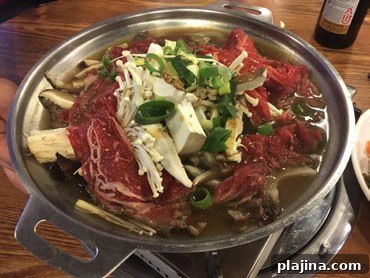
Bulgogi © ELYSE GLICKMAN
Those interested in Korean food culture can take hands-on classes at the Jeonggangwon Korea Traditional Food Culture Experience Center, a farmhouse-turned-museum and restaurant that showcases staple foods, agricultural practices and traditional kitchen tools. Cooking sessions are available for groups, and children can learn to prepare bibimbap. Chodang Dubu Village offers another immersive culinary experience focused on tofu made from local soybeans and East Sea water.
Exploring historic palaces, grand residences and temples requires time—typically a full day—to appreciate their architecture, gardens and history. Corporate retreat groups and families alike can find meaningful experiences in these heritage sites.
Ojukheon, one of Korea’s oldest noble residences, was home to the Confucian scholar Yulgok Yi-I (1536–1584) and his mother, the artist Sin Saimdang, whose portraits appear on South Korean currency. The property’s main structure reflects the elegance of the Joseon Dynasty, and the onsite museum displays personal items, Buddhist artifacts and original artwork from members of the Yulgok family. Seongyojang House, formerly associated with the Naebeon Lee family (1703–1781), is another notable estate featuring multiple buildings, gates, gardens and a museum.
The Jeongseon Ararichon Folk Village preserves daily life from the Joseon period with permanent exhibits, live demonstrations and hands-on performances that immerse visitors in pre-20th-century culture. Popular temple sites like Woljeongsa, Hyundeoksa and Bohyunsa offer colorful gardens, hiking trails and the option of extended temple stays—providing traditional Korean Buddhist retreats that draw on practices dating back 1,700 years.
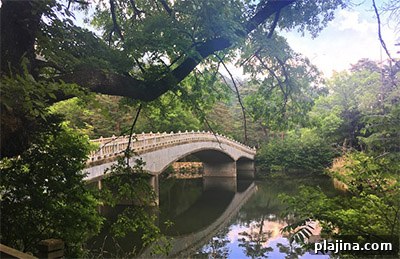
Temple trails and park © ELYSE GLICKMAN
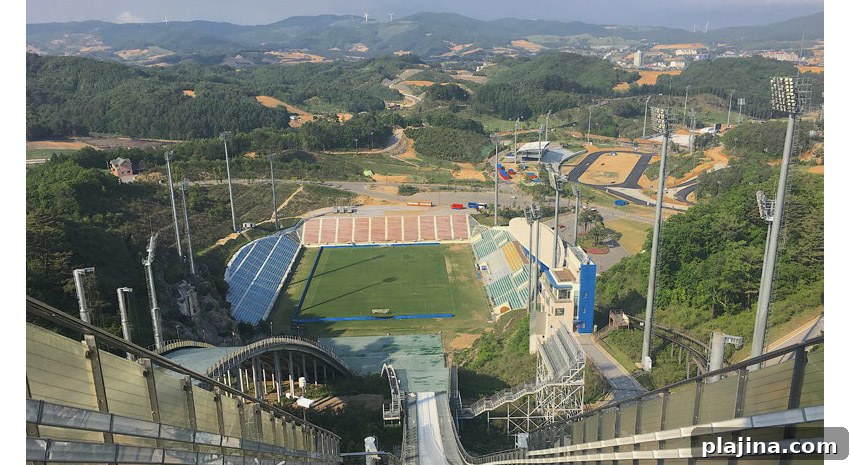
Winter sports enthusiasts will be pleased to learn that Alpensia Ski Resort and other slopes remain open in the winter months. In the off-season visitors can sample the ski area from a different perspective—touring the grounds, visiting the ski jump tower and enjoying panoramic views from the monorail or the observation deck with a Plexiglas floor. For those who prefer to stay grounded, the tower’s café and indoor viewing areas offer comfortable vantage points. The Korean Ski History Museum inside Alpensia Stadium presents alpine gear, photographs and biographies of Korean winter athletes.
After a day of meetings, hiking or temple retreats, Anmok Beach and the adjacent Gangneung Coffee Street provide a relaxed environment for strolling and people-watching. A lively café scene lines the waterfront, offering artisanal coffee, hot chocolate, tea and desserts, while seasonal events such as a coffee festival and local roastery attractions add regional flavor.
Whether a group seeks outdoor adventure, cultural discovery or a blend of both, PyeongChang delivers a distinctive travel experience. Its combination of natural beauty, cultural depth and a slower pace of life makes it appealing to Western visitors looking for something new yet comfortably familiar.
PyeongChang Info to Go
Most international flights from the United States arrive at Incheon Airport, west of Seoul. The most convenient route to PyeongChang is to take the airport express train to Seoul’s Central Station and then board the KTX high-speed train to PyeongChang. KTX fares vary by seat class, and discounted fares are available for children.
Where to Stay in PyeongChang
THE INTERCONTINENTAL ALPENSIA PYEONGCHANG RESORT A North American–style lodge that upgraded meeting rooms and family amenities ahead of the Winter Olympics; it was a primary choice for international media during the Games. 325 Solbong-ro, Daegwalnyeong-myeon, Pyeongchang-gun, Gangwon-do $$$
LOTTE RESORT SOKCHO This contemporary beachfront resort from Lotte features refined meeting spaces, dining options and family-focused amenities with a modern Asian sensibility. 186 Daepohang-gil, Sokcho-si, Gangwon-do $$$
SEAMARQ HOTEL A top-tier property offering airy suites, well-appointed public spaces and comprehensive meeting and family facilities, located near cultural attractions and memorial parks. 2, 406 beon-gil, Haean-ro, Gangneung-si, Gangwon-do $$$$
Restaurants in PyeongChang
L BARBECUE A lively spot that delivers American-style smokehouse fare alongside a playful atmosphere—large platters of brisket, pulled pork and baby back ribs pair with nostalgic décor. 333 Hanam-Gil, Gangneung, Gangwon-do $$–$$$
PYEONGCHANG HANU CENTER (Korean Beef Village) Diners pick premium Korean beef at a small butcher counter and then grill it at a reserved table upstairs. The experience highlights bulgogi and an array of traditional side dishes and condiments. 15 Daehwa3-Gil, Pyeongchang-gun, Gangwon-do $$$
WOW DAEGWALLYEONG HANWOO JINBU A favorite during the Games, this restaurant elevates Korean barbecue with prime local cuts and an emphasis on organic, locally sourced ingredients. 7 Kkachigol-gil, Jinbu-myeon, Pyeongchang-gun, Gangwon-do $$$–$$$$