
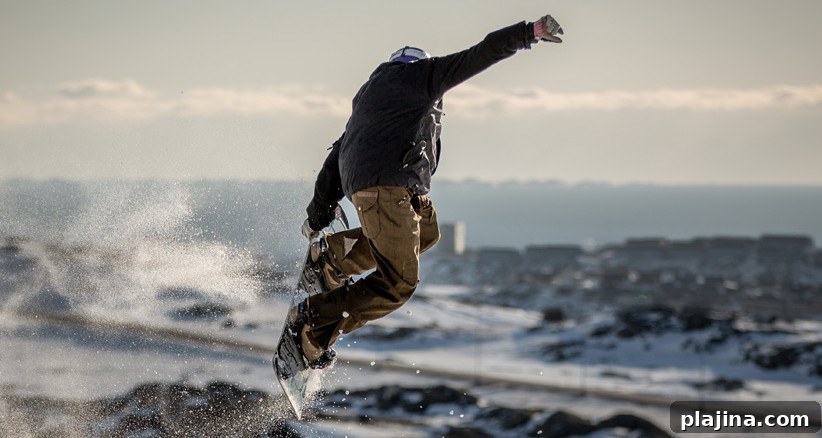
“The countries and small towns that lie around the Arctic Circle are remote, and their communities create their own ways to celebrate and compete. Every two years, they host the Arctic Games, a gathering inspired by traditional Inuit culture. Participants from Canada, Norway, Alaska, Russia and Greenland come together to take part in a variety of events rooted in ancestral skills and local traditions.”
The Arctic Games offer competitions that reflect life in the North, including tests of strength, endurance, hunting and fishing skills, and games that emphasize teamwork and cultural knowledge. These events often feature traditional activities such as drum dancing, throat singing demonstrations, and contests that mimic day-to-day survival tasks. The emphasis is as much on preserving cultural heritage and strengthening community ties as it is on winning medals.
Hosting the Games rotates among the participating regions, giving each community a chance to showcase its culture, hospitality and natural environment. Local organizers use the event to promote youth engagement, cultural education and interregional cooperation. Young athletes and cultural practitioners gain valuable opportunities to learn from elders, exchange techniques, and build lasting friendships across borders.
Beyond the competitions, the Arctic Games serve as a platform for cultural exchange. Visitors and participants experience traditional cuisine, handicrafts, storytelling and ceremonial performances. Arts and crafts fairs often accompany the sporting events, providing a marketplace for native artisans and an opportunity to share skills such as carving, sewing and weaving.
The Games also raise awareness of the unique challenges faced by Arctic communities, including extreme climates, limited infrastructure and the effects of environmental change. Through collaborative events and conversations, organizers and participants highlight issues important to the region while celebrating resilience and resourcefulness.
While competition is central, the spirit of the Arctic Games is cooperative and celebratory. Events prioritize inclusivity and cultural respect, encouraging participants to honor ancestral practices even as they adapt them for modern audiences. This balance helps ensure that traditional knowledge is preserved and passed on to future generations.
In summary, the Arctic Games are a meaningful biennial gathering that blends sport, culture and community. By bringing together peoples from Canada, Norway, Alaska, Russia and Greenland, the Games sustain traditions, foster intercultural understanding and create a shared space for northern communities to shine.
Read more at trazeetravel.com.