
The Croatian city of Pula has been honored with the inaugural Sustainable City Award by the World Sustainability Organization through its Friend of the Sea certification project. The recognition highlights Pula’s ongoing commitment to environmental protection, marine conservation and sustainable urban development.
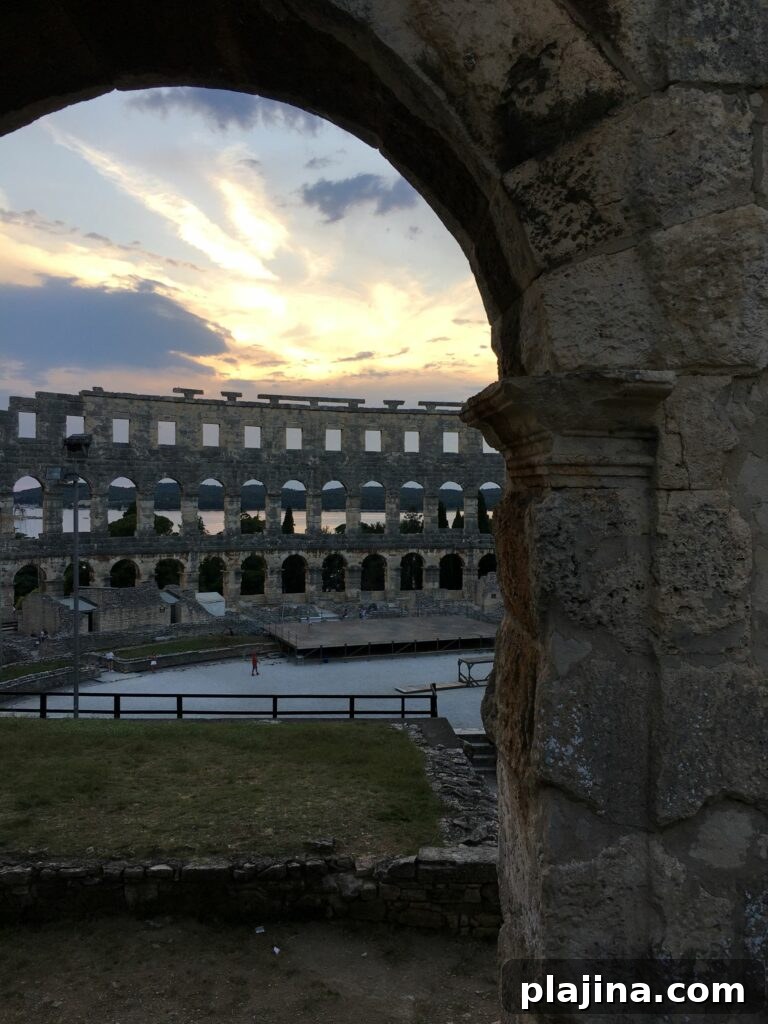
Located at the southern tip of the Istrian peninsula, Pula is home to about 60,000 residents and some of Croatia’s finest beaches. The city blends natural beauty with rich historical heritage: its late 19th-century market is an elegant example of Vienna Secession architecture, while the remarkably well-preserved Roman amphitheater—Pula’s Colosseum—dates to the first century AD and still hosts summer festivals and concerts.

© World Sustainability Organization
Historically reliant on shipbuilding and fishing, Pula is less crowded and often more affordable than many other Istrian coastal towns, which contributes to a different, more local feel for visitors. The new award recognizes the city’s concrete actions to improve environmental quality and residents’ well‑being through sustainable solutions to urban challenges.
“We recognize the city of Pula’s impressive record in adopting sustainable practices and marine conservation initiatives,” said Dr. Paolo Bray, founder and director of Friend of the Sea. “For this reason, we decided to award it with the Friend of the Sea placard. Hopefully, this recognition will present additional motivation for local companies, organizations, and operators to seek further improvements in the domain of environmental awareness and spur them to apply for the Friend of the Sea certificate.”
© World Sustainability Organization
Pula ranks among the world’s 100 most sustainable destinations, a status that reflects strong cooperation between public authorities, businesses and civic groups dedicated to sustainability. Mayor Filip Zoričić has pledged to further engage local companies and operators in adopting greener practices by 2025. Over recent years the city has launched numerous initiatives addressing environmental protection and the climate crisis.
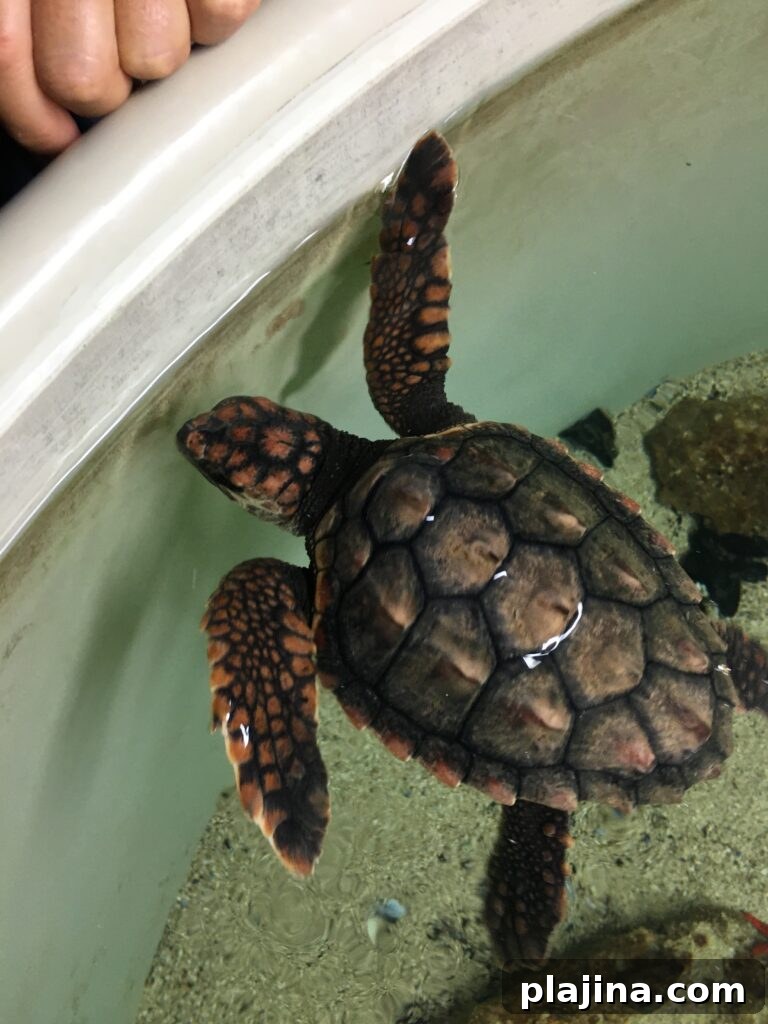
The World Sustainability Organization also awarded the Sustainable Aquarium certification to Pula Aquarium in recognition of its environmental policies and commitment to animal welfare. During the award ceremony, a sea turtle rehabilitated at the Aquarium’s Rescue Center was released at Ambrela Beach, a beloved local seaside spot. The aquarium houses more than 100 tanks and over 250 species, serving as both an educational resource and a conservation hub.
© World Sustainability Organization
Pula’s environmental measures span waste management improvements, a green model for urban stormwater drainage, rainwater collection gardens, and cleaner public transport. The city has introduced eco-buses running on compressed natural gas and is expanding sustainable mobility options, including electric bicycles and scooters. Investment in cycling infrastructure continues, with more bike lanes and amenities such as smart benches and charging stations. Energy efficiency projects for public and private buildings are underway, complemented by ongoing educational programs to raise awareness.
Looking ahead, Pula plans additional green initiatives, including co‑funding for energy‑saving equipment in homes and businesses and support for solar panel installations. These steps aim to deepen the city’s progress toward long‑term sustainability while improving quality of life for residents and visitors alike.