Some residents and many visitors to California’s Palm Springs may not realize the region’s deep history, which stretches back thousands of years to the arrival of the Cahuilla people. Living largely in isolation for centuries, the Cahuilla spoke Ivilyuat, a dialect of the Uto-Aztecan language, and used higher elevations such as Chino Canyon to escape the summer heat. Today, the Palm Springs Aerial Tram provides easy access to those cooler canyon areas during the summer months.
The area’s Native American heritage and early Spanish influences remain visible throughout Palm Springs and the surrounding Coachella Valley. Many streets and neighborhoods still carry Cahuilla surnames like Amado, Belardo, Saturnino and Chino. Archaeological features — including ancient irrigation ditches, former dams and house pits — can be found in Tahquitz and Chino canyons and within the Indian Canyons nature preserve, offering a tangible link to the past.
Palm Springs continues to thrive as a desert destination. The tourism authority now uses the name Visit Greater Palm Springs to reflect the wider region that includes Cathedral City, Rancho Mirage, Palm Desert, Indian Wells, La Quinta, Indio, Coachella and Desert Hot Springs, plus unincorporated Riverside County communities and five tribal nations. The annual Coachella Valley Music & Arts Festival, held each April, has grown into a global cultural event and brings significant attention to the region.
In 2026, Greater Palm Springs is investing in new and revitalized hotels, restaurants and attractions through a mix of private and public projects. Palm Springs International Airport is undergoing a major $2.2 billion expansion to support rising air traffic and tourism. Plans call for a new north concourse, an expanded baggage claim area and 14 additional gates, with the first phase budgeted at $754 million. A second phase will add a south concourse and a rental car facility while retaining the airport’s distinctive Mid-Century architectural character. Officials expect the expansion to generate substantial economic benefits and create thousands of local jobs.
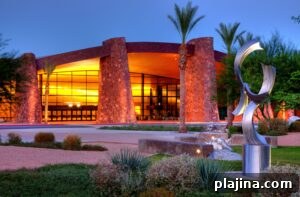
© Palm Springs Convention Center
The Palm Springs Convention Center is also undergoing a once-in-a-generation modernization and expansion valued at $135 million. The project will update technology, add flexible indoor-outdoor meeting spaces and improve pedestrian connections to downtown and nearby hotels. City leaders expect the renovation to strengthen Palm Springs’ role as a hub for conferences, exhibitions and community events, spur regional economic growth and expand cultural, educational and entertainment opportunities for residents and visitors.
Greater Palm Springs is adding new leisure attractions as well. DSRT Surf in Palm Desert, scheduled to open in summer 2026, will offer a 5.5-acre surf lagoon, a 92-room hotel, residences, restaurants and recreation spaces. In Palm Springs, the Palm Springs Surf Club features crystal-clear waves, pools and a dining venue set against the San Jacinto Mountains, blending surf culture with classic desert scenery.
Historic landmarks remain part of the city’s identity. The Palm Springs Plaza Theatre, dating to 1936, recently completed a decade-long restoration and once again serves as a cultural centerpiece where Hollywood’s golden age meets desert charm.
“With the amount of public and private investment dollars we have, as a city of 45,000 people, Palm Springs is similar to a larger metropolitan area, but we still have a vibrant, small-town feel,” said Scott Stiles, city manager of Palm Springs. “New hotels, restaurants and attractions are creating lots of excitement this year in downtown Palm Springs, while the multibillion-dollar expansion of Palm Springs International Airport and the multimillion-dollar renovation of the Palm Springs Public Library are helping the city create smart and steady growth for residents and visitors.”

© DSRT Surf
In the Design District, Thompson Palm Springs by Hyatt continues to attract attention with Bar Issi, a stylish lounge popular with upscale visitors, and adjacent retail concepts such as Lip Lab, where guests can create custom lip and cheek tints. The hotel features 168 bungalow-inspired guestrooms, including 18 suites, each with private balconies and desert or mountain views, and plans to add more luxury shops this year.
Palm Springs is renowned for its mid-century architecture, and Modernism Week each February draws architecture enthusiasts from around the world. The event offers extensive tours of iconic neighborhoods filled with Mid-Century homes and palm-lined streets. For those who cannot attend the main festival, scheduled Modernism house tours continue through May.
SCENIC DRIVES
California Highway 74, the Palms to Pines Scenic Byway, is an ideal day trip that climbs from the desert floor into the mountains. Begin at the Santa Rosa and San Jacinto Mountains National Monument Visitor Center in Palm Desert and follow the switchbacks upward. Stop at Coachella Valley Vista Point for panoramic views of the valley below, then continue as desert landscapes give way to pine forests and small mountain communities. Options for lunch include Paradise Valley Cafe or a visit to Idyllwild for a wider selection of dining and shopping. The total route covers roughly 30 miles.
About an hour north lies Joshua Tree, a town known for vintage shops, vegan cafés and access to Joshua Tree National Park. Spanning about 1,240 square miles, the park straddles the Mojave and Colorado deserts. The northern Mojave section features the park’s signature Joshua trees and dramatic boulder formations, popular with climbers, hikers and campers. The southern Colorado Desert offers cactus gardens, ocotillos and backcountry roads suited to four-wheel-drive vehicles. There are no restaurants or gas stations inside the park, so plan supplies and timing accordingly.