
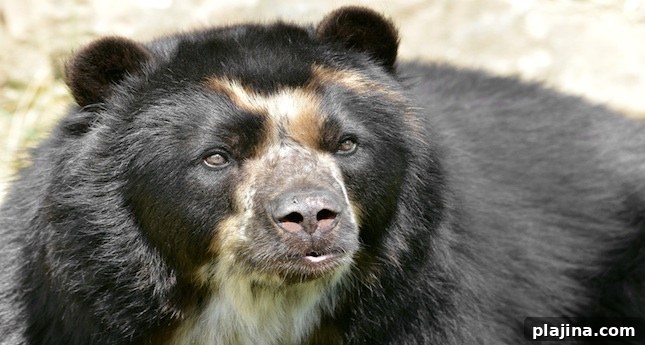
To mark the release of the film Paddington 2, Inkaterra, Peru’s leader in sustainable tourism, is offering a special package centered on the Andean spectacled bear. Named for the distinctive light fur rings around its eyes that often extend to the chest, this bear is the only bear species native to South America and an important focus of local conservation.
Beloved English author Michael Bond wrote more than 20 Paddington Bear books, creating a character that has charmed generations of children. Bond’s idea for Paddington came from spotting a lonely stuffed bear on a shop shelf in London, a simple moment that inspired a worldwide literary icon.
Inkaterra’s Andean Spectacled Bear Project currently cares for five resident bears and works to protect the species across the Andean range. The project combines hands-on animal care with habitat protection, scientific monitoring and community outreach to promote the bears’ long-term survival.
Visitors to the project gain exclusive access to the bears’ natural environment and can accompany the keepers to learn about daily routines, enrichment practices and the conservation strategies that support these animals. The experience emphasizes respectful observation and education, helping guests understand threats to the species and the actions that help conserve it.
The special package includes three nights’ accommodation in a private casita, a visit to the Andean Spectacled Bear Project, and a three-hour privately guided tour of the UNESCO World Heritage Site Machu Picchu with a bilingual certified guide. Guests also receive guided excursions around the hotel grounds to explore local flora and fauna, plus a surprise take-home gift to commemorate the stay.
By combining immersive wildlife experiences with culturally and environmentally responsible tourism, the offer highlights Inkaterra’s commitment to conservation and community engagement. Visitors leave with a deeper appreciation for the Andean spectacled bear and the conservation work that helps protect this unique species for future generations.