
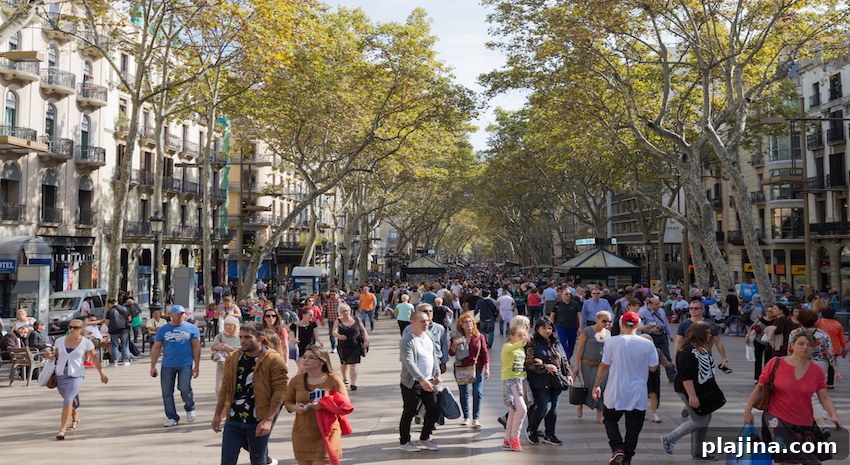
The tourism industry is expanding rapidly, with many popular destinations experiencing record numbers of visitors. In 2016 more than 1.6 billion people crossed international borders for leisure travel, and the trend has continued upward since then. But while growth brings economic opportunity, it can also create significant problems for local communities and environments. Cities such as Barcelona, Venice and Reykjavik have already felt the strain.
That strain is commonly referred to as overtourism: a situation in which a destination becomes overwhelmed by more visitors than it can sustainably accommodate. The effects are wide-ranging — severe overcrowding in public spaces, overloaded transport systems, higher levels of pollution, damage to fragile ecosystems and historic sites, and rising resentment from residents toward visitors.
In Reykjavik, for example, tourism has contributed to a shortage of housing and hotel rooms. Authorities are exploring measures to manage demand, including higher hotel rates, a tourist tax, and new licensing requirements for bus operators and tour companies. These steps aim to reduce pressure on local infrastructure and protect residents’ quality of life.
Visitors to overcrowded hotspots may notice higher prices, longer waits, and reduced access to attractions as destinations scramble to balance demand with capacity. Local businesses and public services can struggle to keep pace with rapid growth, and the character of neighborhoods can change as housing and commercial priorities shift to serve tourists rather than residents.
Some destinations have adopted strict controls to preserve natural and cultural assets. The Galápagos Islands, Machu Picchu and Palau, for instance, limit visitor numbers and impose rigorous regulations on access and development. Such measures can help protect vulnerable environments and ensure that tourism remains sustainable over the long term.
Addressing overtourism typically requires a mix of strategies: managing visitor flows through quotas or permits, investing in infrastructure to disperse tourists more evenly across time and space, encouraging off-season travel, supporting alternative destinations, and involving local communities in planning decisions. Effective policy balances economic benefits with social and environmental costs to create a better experience for both residents and travelers.
For travelers, being mindful of the impacts of their trips can make a meaningful difference. Choosing less-crowded times, exploring lesser-known areas, respecting local customs and regulations, and supporting businesses that prioritize sustainability all help reduce pressure on popular sites. When destinations and visitors work together, tourism can continue to provide jobs and cultural exchange without compromising the places people come to enjoy.