
The first steps I ever took are buried in the soft blur of infancy, but I can remember precisely how it felt to move independently because I later recreated that sensation when I learned to ice skate.
I was ten years old and by then quite sure of myself on solid ground. When my parents suggested a trip to the neighborhood ice rink, though, I felt as helpless as a toddler again.
Wearing a pair of poorly fitting skates, I clung to the metal barrier at the rink’s edge, staring out at the vast, gleaming surface. Every time I shifted my weight, one foot would slide out from under me. My family whizzed around the ice while I could not imagine ever keeping up.
Still, instinct pushed me forward the way it had when I moved from crawling to walking. I changed my two-handed grip to one hand and inched my way along the barrier. Eventually I let go and moved onto the ice. I fell—more than once—but each tumble ended with me getting up and trying again. Within minutes I was stable enough to join the steady flow of skaters circling the rink.
Years later, that early experience made it possible for me to enjoy a memorable hour skating on the outdoor rink at Rockefeller Center one snowy evening. Most people on the ice were competent, moving smoothly and confidently. A few, however, stood out: the talented skaters who seemed to glide effortlessly past everyone and occasionally launched into spinning jumps.
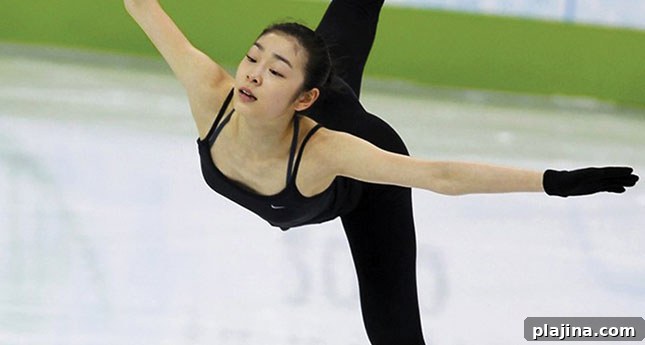
Until that night, my exposure to figure skating had been limited to television, where it often seemed theatrical and overblown, accompanied by tinny music and flashy costumes. I have always been skeptical of sports decided by judges rather than objective measures. Nevertheless, watching skilled skaters in person changed my view. Their athleticism was impossible to ignore, and I began to appreciate the sport’s demands.
At the Olympic level, skating divides into three disciplines: singles figure skating, pairs figure skating, and ice dancing. In figure skating, athletes must perform programs containing specific technical elements—names like haircutter spin, broken-leg sit spin, and death spiral hint at the risks involved. Ice dancing, by contrast, is the ice equivalent of ballroom dance, with couples executing choreographed routines set to music.
Competitions offer two kinds of drama. The first unfolds on the ice as skaters strive to execute painstakingly rehearsed programs without mistakes. The second drama happens off the ice, when competitors wait anxiously for the judges’ decisions.
Judging involves nine officials who score both technical elements and program components, such as choreography, skating skills, transitions, execution, and interpretation. Ice dancers are also assessed on how well their movements match the music. A computer randomly selects seven of the nine scores, removes the highest and lowest, and sums the remaining five to determine the final result. The staged smiles skaters wear while waiting often give way to genuine elation or disappointment when the verdict is announced, with triumph and humiliation broadcast up close to an international audience.
Modern Olympic skating is far removed from my first tentative ventures onto the ice decades ago. Once we learn to balance—whether on our feet or on skates—we generally branch into two groups: those who are content to use their new skill for practical movement, and those who push to be faster, more graceful, and better than everyone else.