
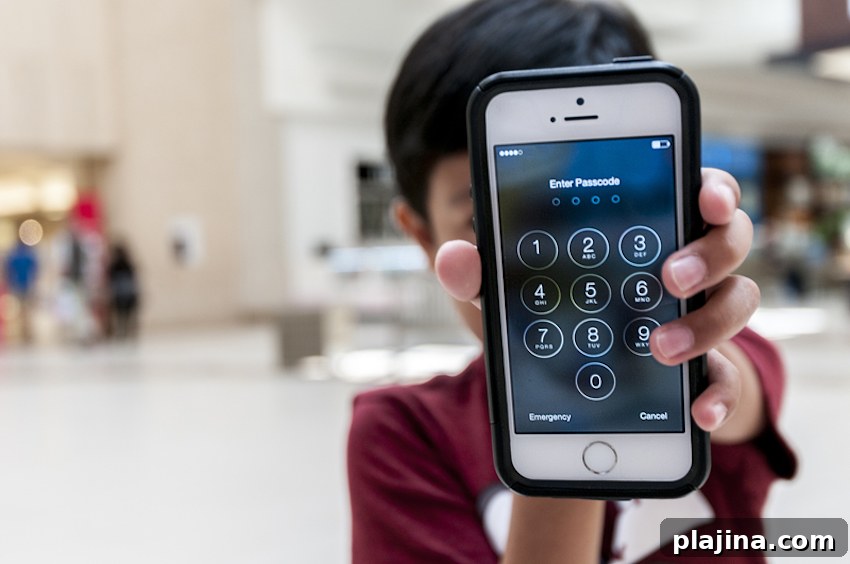
Travelers arriving in New Zealand may be required to provide mobile device passwords to customs officials or face significant penalties.
Under New Zealand law, border agents have the authority to inspect cell phones, laptops and other electronic devices brought into the country. Travelers can be asked to unlock those devices or disclose passwords to allow an inspection; failure to comply can result in fines that exceed NZ$5,000 (roughly US$3,000).
While several countries have similar powers to request access to devices at the border, New Zealand’s fines for noncompliance are among the highest. Border searches of devices are typically justified by authorities as a way to detect evidence of terrorism, organized crime, or other illegal activity.
Civil liberties groups and privacy advocates have criticized the policy. Many people carry sensitive information on their devices, including business data, research, professional communications and deeply personal material. “Smartphones have become an extension of our very selves,” said Katina Michael, a professor at the University of Wollongong in Australia who specializes in surveillance issues, highlighting concerns about intrusion and the potential exposure of confidential or proprietary information.
New Zealand officials say the scope of searches is limited. According to authorities, agents focus on files stored directly on devices rather than probing internet search histories or data kept in cloud storage. Additionally, they state that officers must have reasonable suspicion of criminal activity before conducting a search.
Travelers planning to enter New Zealand should be aware of these rules and consider steps to protect sensitive material, such as removing unnecessary private data from devices, using temporary devices when practical, or being prepared to comply with lawful inspection requests at the border.