
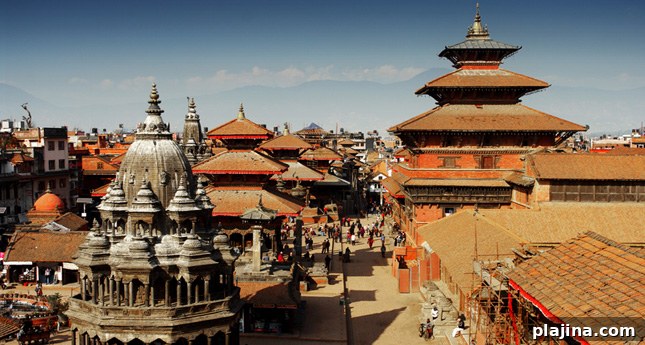
Nepal continues to recover from the devastating 2015 earthquakes that claimed more than 8,000 lives and left over 3.5 million people without homes. Despite the long road to recovery, the country is showing resilience and focusing on tourism as a key engine for economic renewal and rebuilding. Today, tourism accounts for roughly 10 percent of Nepal’s GDP and provides employment for about half a million people.
Kathmandu, the capital, remains the primary attraction for most visitors thanks to its seven UNESCO World Heritage sites. However, experts and community organizations encourage travelers to explore beyond the well-known landmarks. Visiting smaller projects and locally run tours not only offers a richer cultural experience but also directs more revenue to communities that need it most, aiding in long-term recovery and development.
Several local initiatives exemplify how tourism can be both responsible and impactful. Programs run by organizations such as Seeing Hands, Next Generation Nepal, and Social Tours connect travelers with opportunities to contribute directly to community welfare while learning about local culture and challenges. These initiatives often combine cultural experiences with social impact—supporting livelihoods, education, and inclusive services for people with disabilities or limited opportunities.
Beyond promoting meaningful travel options, organizations active in Nepal also support capacity-building for hospitality providers. Training and certification programs help local entrepreneurs and service providers meet industry standards, improve service quality, and attract sustainable business. With support from development partners, dozens of hospitality providers in affected regions have completed training and obtained the necessary certification to start or expand their businesses, creating jobs and strengthening local economies.
Tourists who choose responsible travel options can make a measurable difference. Small decisions—staying in locally owned accommodations, hiring local guides, joining community-run tours, or supporting social enterprises—help keep tourism dollars circulating within Nepalese communities. This kind of conscious travel supports recovery, preserves cultural heritage, and encourages inclusive growth across regions still rebuilding from the earthquake’s impact.
As Nepal rebuilds, travelers can play a constructive role by seeking out authentic experiences that benefit local people. Supporting community-centered tourism initiatives amplifies the positive effects of each visit and helps ensure that tourism remains a sustainable force for recovery and future prosperity.