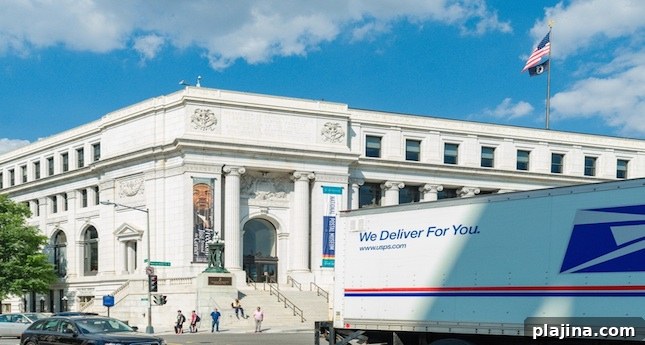
Ever wondered how mail was transported across the United States through its national parks? From June 9 to March 25, 2018, the Smithsonian’s National Postal Museum in Washington, D.C., presented Trailblazing: 100 Years of Our National Parks, an exhibition marking the centennial of the National Park Service. The show explored how the National Park system helped move mail across remote and challenging landscapes, and it featured artifacts, photographs and personal stories that illuminate this often-overlooked piece of American history.
The exhibition included documentation and items related to mail sent and received by Japanese Americans who were incarcerated in relocation facilities in California and Idaho during World War II, offering a poignant look at how postal service connected people even under incarceration. Other loans came from parks such as Grand Canyon, Sequoia and Petrified Forest, showcasing the varied and sometimes surprising ways mail traveled through protected lands.
One striking group of objects on display were postcards from Hawaii that still bore scorch marks after being thrust by tourists into cooling lava crusts before mailing—an unusual testament to how travelers sometimes attempted to add a dramatic touch to their correspondence.
In addition to the temporary exhibition, the National Postal Museum’s permanent collection—one of the world’s most comprehensive assemblages of stamps and philatelic material—offers many iconic pieces of postal history. Highlights include an 1851 Concord, New Hampshire mail coach; the dogsled used by mail carrier Ed Biederman (1861–1945) on his 160-mile route between Circle and Eagle, Alaska, complete with moose-hide lashings; authentic Pony Express gear, including a leather mochila mail knapsack; and the famed gold-and-diamond Clum Locket.
The museum is open daily from 10 a.m. to 5:30 p.m., except on Christmas Day. It is located at 2 Massachusetts Avenue NE, across from Union Station in Washington, D.C. The collection and exhibitions offer a vivid picture of how the mail connected communities, supported national infrastructure and recorded personal stories across a century of park and postal history.