This year began turbulently for Nashville, with events that shaped months to follow. In early March a deadly tornado outbreak tore through parts of Tennessee, impacting multiple counties and residential neighborhoods and severely damaging sections of Music City. Historic music venues were destroyed and the storm caused more than $1.6 billion in damages. In the immediate aftermath, locals mobilized to help rebuild; a website set up to coordinate recovery efforts was overwhelmed as thousands of residents signed up to volunteer and offer support.
Only days later the coronavirus reached the United States in force, forcing bars, restaurants, shops, sports arenas and music venues to close their doors. For a time, many familiar streets in Nashville felt eerily quiet.
But the silence did not last. Nashville’s identity as Music City draws visitors for its live music, nightlife and celebrations—so much so that the city earned the nickname “Bachelorette Capital” from Las Vegas in 2019. Even while continuing tornado recovery and navigating a pandemic, tourism began to rebound as people returned to the city’s unique attractions.
Music has always been a defining element of Nashville, but it wasn’t the only foundation of the city. The musical tradition here stretches back to the late 1700s, when locals played fiddles and danced along the Cumberland River long before amplified stages and neon signs. By the 1800s venues like the Ryman Auditorium were drawing crowds, and radio programs such as WSM Barn Dance, launched in 1925, helped establish Nashville as the center of a booming country music industry by the mid-20th century. As music attracted artists and audiences, businesses and restaurants grew to serve them, creating a cultural and economic ecosystem that endures today.
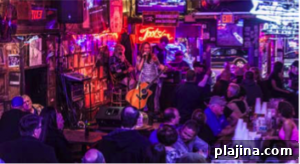
PHOTO: © NASHVILLE CONVENTION & VISITORS CORP
Music remains one of Nashville’s top industries and continues to share the city’s economic landscape with health care, corporate operations, advanced manufacturing and supply chain management. This mix makes Nashville attractive to both leisure travelers and business visitors, and it helps explain why meeting planners and conventions continue to consider the city for events that blend work and play.
Another enduring advantage for Nashville is its geography. The area’s desirable location first drew early settlers such as James Robertson, who established Fort Nashborough after the Revolutionary War on a former Native American hunting ground. The settlement soon grew into Nashville and became Tennessee’s capital, a status that accelerated the region’s national importance.
Nashville’s placement along the Cumberland River and its accessible terrain helped the city develop into a regional trade hub. Tennessee ranks among the nation’s leading exporters, and the Nashville metropolitan area contributes a significant share of that commerce. Over time the city’s industrial profile diversified to include health care, electronics, machinery and automotive production, and higher education, alongside an increasingly robust tourism and culinary scene.
With more than 665,000 residents and a median age around 34, Nashville attracts young professionals and students drawn by job opportunities, universities and an active cultural life. The city’s demographic profile supports innovation and growth while preserving historic neighborhoods and venues that give Nashville its distinct character.
Nashville continues to evolve, adding new hotels, restaurants and cultural attractions even as it recovers from recent disruptions. Construction and renovation projects remain visible across the region, signaling ongoing investment and confidence in the city’s future.

PHOTO: © NASHVILLE CONVENTION & VISITORS CORP
CHECKING IN WITH BUTCH SPYRIDON
President and CEO, Nashville Convention & Visitors Corp
How did Nashville handle the one-two punch of a deadly tornado followed closely by the pandemic, and do you still see a change in the city today?
Just six days after the tornado, Nashville faced COVID-19 shutdowns and shortly after reported its first case. Because the city was already mobilized for tornado recovery, that effort helped accelerate the early response to the pandemic. Local agencies, the health department and emergency management coordinated sheltering, safety restrictions and support for residents and businesses. Recovery from both the tornado and the pandemic is ongoing: construction crews continue to repair homes and businesses, and community members work to regain normalcy. Encouraging health numbers and easing restrictions have allowed a gradual reopening of parts of the hospitality economy, though full recovery remains a work in progress.
Is Nashville ready for an influx of seasonal domestic travel? How has the tourism industry adapted to the pandemic?
The tourism industry in Nashville has demonstrated resilience and adaptability. Most venues, except for some small live music clubs, have reopened and leisure visitation has gradually increased, especially on weekends. Local campaigns encourage residents to support independent businesses, and virtual initiatives—such as streamed concerts from neighborhood music venues—helped keep artists and venues visible during closures. Marketing efforts supported by relief funds are being planned to safely rebuild visitation.
In recent years Nashville became a hot spot for bachelorette parties and big groups congregating on Broadway. Do you see this returning?
Smaller groups and celebrations have already returned to parts of downtown, providing welcome support to local businesses. Mask requirements are in place and enforced to help balance safety with reopening.
Do you feel Nashville is a sustainable city, and what measures will Music City take to keep up or rise ahead?
Nashville’s geographic advantages, strong brand and diverse economy support optimism about a durable recovery. Development projects, new restaurants and hotels continue to move forward, and cultural additions like the National Museum of African American Music contribute to the city’s long-term appeal.
Nashville is considered a great city for business-meets-leisure travel. What industries will put the city on the map for big business?
Growth in airline service, technology, finance and the expanding health care sector are likely to drive future business relocation and corporate investment in Nashville, building on the city’s hospitality and entertainment reputation.
What most excites you about the future of Nashville, and what’s your favorite aspect of the city?
The city’s evolving culinary and music scenes inspire confidence in Nashville’s ability to sustain momentum. Those cultural strengths remain among the most compelling features of the city.
DIVERSIONS
To experience Music City, plan to enjoy good food and live music. Start with breakfast in The Gulch neighborhood, then stroll toward Music Row. Consider a biscuit from a local bakery for a later snack before touring historic recording studios where iconic artists recorded. Visit museums such as the Country Music Hall of Fame or wander Broadway to sample live performances, local bars and open-air music any time of day.
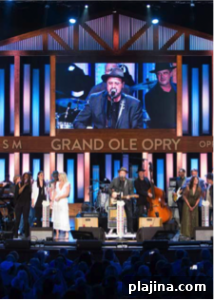
PHOTO: © NASHVILLE CONVENTION & VISITORS CORP
Explore Printer’s Alley for historic jazz and blues spots, visit Centennial Park to see the Parthenon replica, or cross the John Seigenthaler Pedestrian Bridge for views of the Cumberland River and downtown skyline. When hunger calls, try local favorites and street food, then return to a pub or venue for more live music.
For iconic Nashville experiences, consider attending a performance at the Grand Ole Opry or Bluebird Café. Sports fans can check the schedule for the Nashville Predators and combine a game with the city’s vibrant nightlife.
LODGING
The Hermitage Hotel
This classic, five-star hotel in the city’s Art District blends old-world Southern elegance with modern amenities. Address: 231 Sixth Ave. N.
The Joseph, a Luxury Collection Hotel, Nashville
A modern luxury option in the heart of Music City with rooftop pool views and easy access to attractions. Address: 401 Korean Veterans Blvd.
Union Station Hotel Nashville, Autograph Collection
A restored train station on Broadway offering distinctive rooms and convenient access to downtown attractions. Address: 1001 Broadway.
DINING
Bob’s Steak & Chop House
A classic steakhouse experience with generous portions and an extensive wine list, located in the Omni Nashville Hotel. Address: 250 Fifth Ave. S.
The Optimist
A seafood-focused menu featuring shared platters, oysters and other coastal inspired dishes. Address: 1400 Adams St.
The Standard
An elevated steakhouse located in The Smith House with a private-club atmosphere and traditional decor. Address: The Smith House, 167 Rosa L. Parks Blvd.
INFO TO GO
Nashville International Airport is the primary air hub for the region. Ground transportation options include taxis, car rentals, public transit and ride-share services.
JUST THE FACTS
Time zone: GMT -5
Phone code: Country code: 1
City code: 615
Currency: U.S. dollar
Key industries: Music and entertainment, health care, advanced manufacturing, corporate operations and supply chain management.
COMING AND GOING
Due to the pandemic, the Department of Homeland Security extended the REAL ID enforcement deadline for U.S. domestic travelers. Non-U.S. citizens still need a passport and may require additional documentation to enter the United States.
OFFICIAL LANGUAGE
English