-
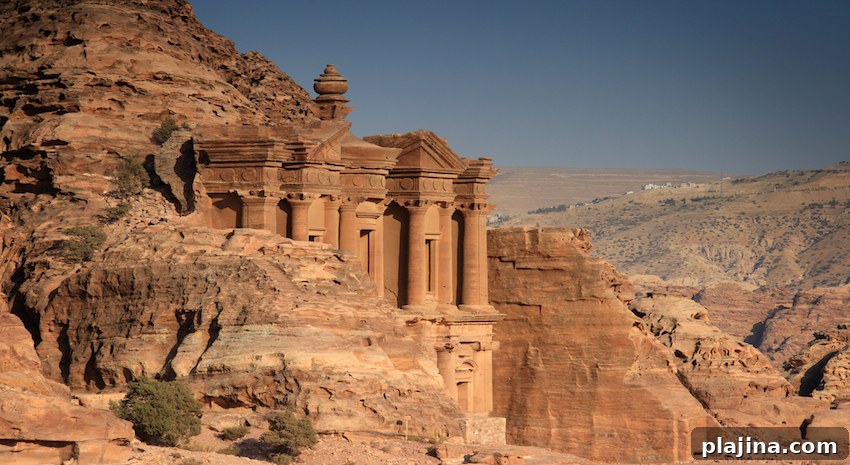
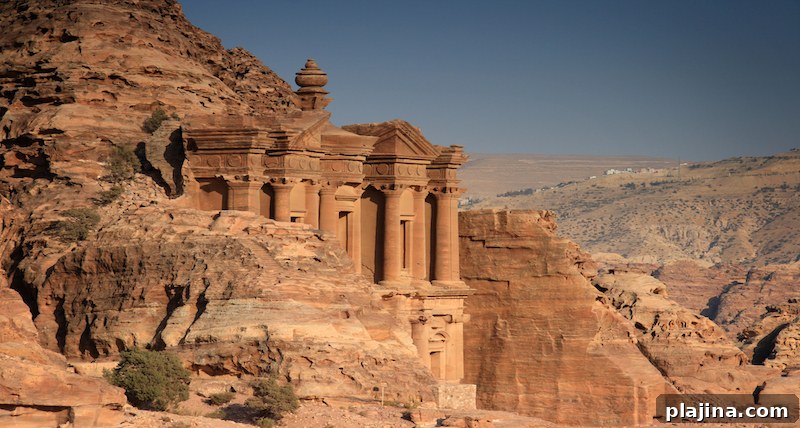
 Monastery in Petra, Jordan © Tomi Tenetz | Dreamstime.com
This week we travel to the Hashemite Kingdom of Jordan, a land with continuous human presence since the Paleolithic era. Jordan’s rich history is visible across its landscape—in castles, cities and monuments that span millennia. Below are some of the country’s most remarkable sights to add to your itinerary. -
© Aivolie | Dreamstime.com
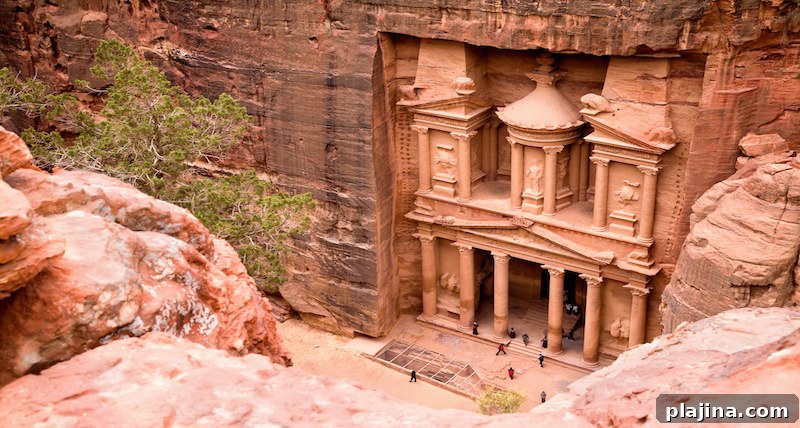
Petra, the ancient “Rose City” in southern Jordan, is renowned for its rock-cut architecture and archaeological importance. Established as early as 312 BC, Petra has earned global recognition as one of the New7Wonders of the World and remains one of the most spectacular historic sites on earth. -
© Siempreverde22 | Dreamstime.com
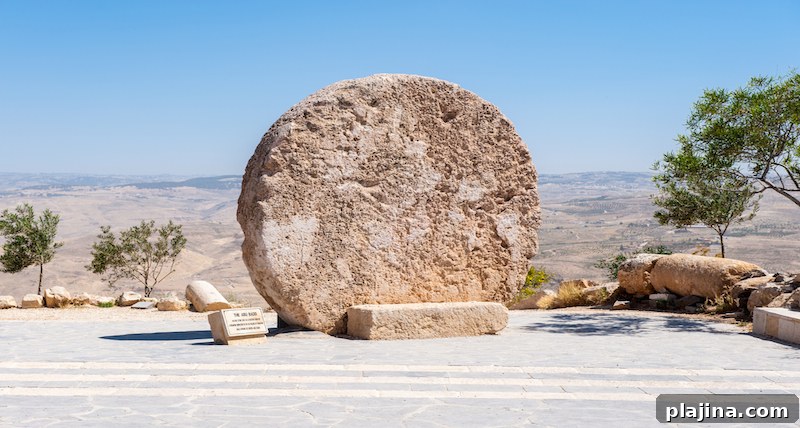
Mount Nebo rises to 2,680 feet above sea level and is mentioned in the Hebrew Bible as the place where Moses viewed the Promised Land. From its summit you can often see sweeping panoramas of the Holy Land, the Jordan Valley and, on clear days, Jerusalem. -
© Vvvita | Dreamstime.com
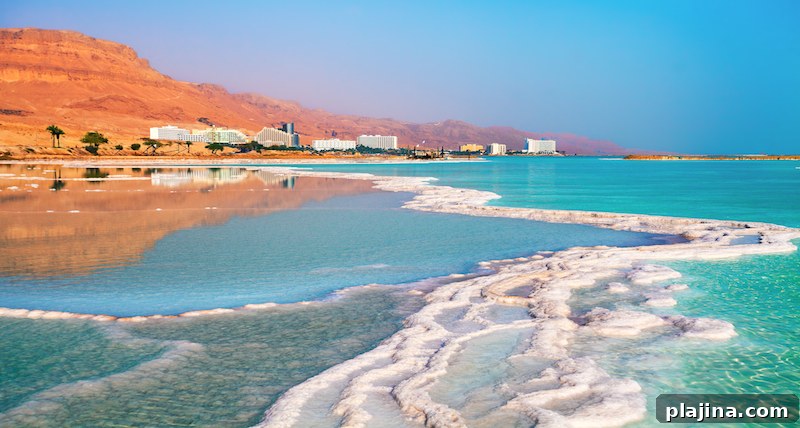
The Dead Sea sits 1,412 feet below sea level, making it the lowest point on land. With salinity nearly ten times that of the ocean, its mineral-rich waters and therapeutic mud have drawn visitors for centuries, offering unique natural beauty and wellness experiences. -
© Diego Vito Cervo | Dreamstime.com
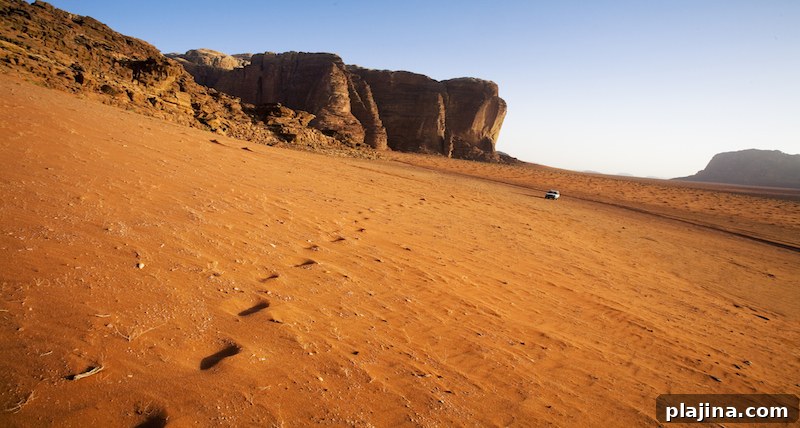
Wadi Rum, often called the Valley of the Moon, is a sweeping desert landscape of sandstone and granite in southern Jordan. As the country’s largest wadi, it offers dramatic vistas and activities like trekking, camel and horse safaris, climbing and upscale camping under the stars. -
© Aleksandar Todorovic | Dreamstime.com
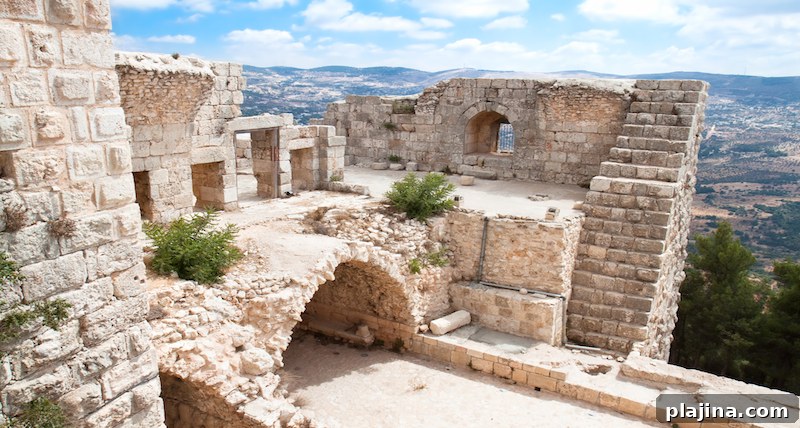
Ajloun Castle dates to the 12th century and was erected on the remains of a monastery to protect the Jordan Valley’s wadis. Much of the fortress survives today and includes museums that display artifacts spanning the region’s varied historical periods. -
© Robert Paul Van Beets | Dreamstime.com
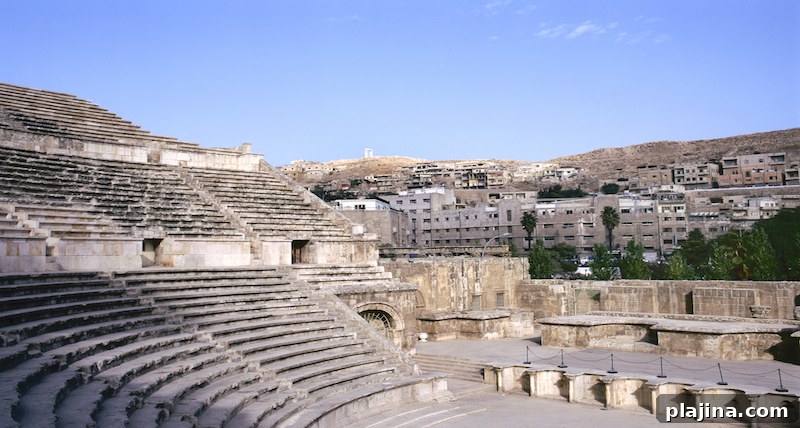
Jordan’s Roman heritage includes an impressive 2nd-century theatre with seating for around 6,000 spectators. Carved into a hillside, the amphitheater still hosts performances and festivals, offering visitors both excellent acoustics and panoramic views of the surrounding countryside. -
© Vladimir Zhuravlev | Dreamstime.com
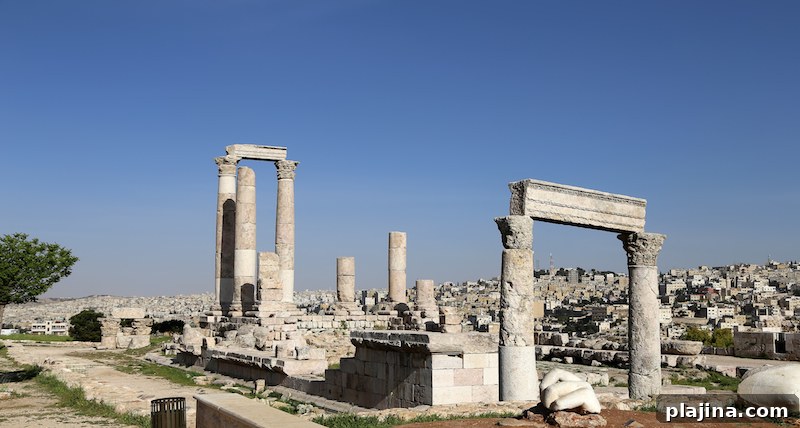
Overlooking the Amman Citadel stands the Temple of Hercules, built between 162 and 166 AD. This notable Roman-era structure contains remarkable stone carvings and remains one of the most important classical monuments in the region.