

DURING A RECENT TRIP to our aunt’s house on the Chesapeake Bay in Virginia, my sister Karen and I sat down with our parents to discuss how they would like to mark their 50th wedding anniversary next year.
Rather than a large party that puts them in the spotlight, our parents—avid travelers who have embraced life after my dad’s retirement from the U.S. Army more than a decade ago—prefer a trip with immediate family. We envisioned a small multigenerational getaway including our parents, my husband and me, and my sister with her husband and son. In our group the ages span from 9 to 74.
While at our aunt’s house we never labeled the visit as a multigenerational trip; it felt simply like our annual family reunion, small and joyful. Our extended family gatherings usually include 14 people in total, counting cousins and second cousins, and we were having a great time together.
The trend we experienced is common. The concept of multigenerational travel continues to evolve along with family structures. A 2014 white paper from Preferred Hotel Group expanded the definition of “family” beyond grandparents, parents and children to include siblings, nieces, nephews and even close non-related friends, reflecting modern travel groups.
Research by AARP Travel in 2015 highlighted the top benefits of multigenerational travel: bringing the whole family together, creating lasting memories, giving grandparents time with grandchildren, enabling quality one-on-one time, and offering opportunities for adults to connect with younger generations. AARP noted that trips involving three or more generations foster strong bonds and predicted the popularity of these trips would continue to grow.
Planning for a multigenerational trip often involves input from younger members as well. The Preferred Hotels white paper found 40 percent of grandparents and parents say children influence vacation planning—especially daily activities (77 percent) and destination choices (62 percent).
When our family began planning the anniversary trip, my 9-year-old nephew immediately expressed a desire to travel abroad. I reminded him there’s a lot of the United States he hasn’t seen—he has not been west of Alabama—but I expect his preferences will be considered, within reason.
AARP Travel advises choosing destinations that appeal to a range of interests and ages, which is why guided or escorted tours can be appealing for multigenerational groups. A February 2017 survey by AAA found a projected 7 percent increase in American families choosing guided or escorted tours over the previous year.
“While many Americans enjoy the flexibility of a road trip, there are some families who prefer the structure and convenience of a group tour,” said Bill Sutherland, senior vice president of travel and publishing at AAA. “Many tours are specially designed for multigenerational groups, plus there’s no better way to learn about a destination than from a knowledgeable, local guide.”
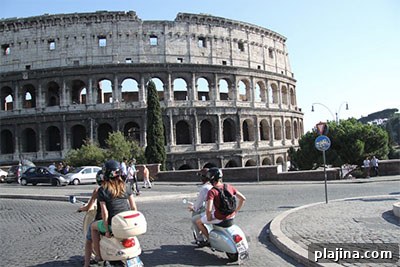
Exploring the Eternal City on Vespa scooters on a Discover Your Italy tour in Rome © DISCOVER YOUR ITALY
Owners of Discover Your Italy, Matteo Della Grazia and Daniela Mencarelli, say experiential, active and immersive travel ranks highly on family wish lists. They note that families seek unique, memorable experiences to enjoy together and to share with friends and on social media.
Their recommended formula blends classic cultural guided tours of museums and historic sites with hands-on activities such as pizza-making classes in Naples, truffle hunts in Tuscany or Umbria, and gladiator school in Rome. These combinations appeal to a variety of ages and interests.
They also emphasize experiences that involve interaction with local communities. Discover Your Italy offers activities that allow travelers to participate in local festivals or dine at communal tables in village streets, creating authentic cultural encounters that resonate across generations.

Family at a Zambia cheetah encounter © COX & KINGS
Cox & Kings, a company with centuries of history, designs family-friendly journeys that account for accommodation, activities, health and safety, timing and age-appropriate destinations. Their itineraries aim to balance cultural, natural and authentic experiences that appeal across generations.
For example, Cox & Kings’ 11-day South Africa Family Discovery includes swimming with African penguins, a cable car ride up Table Mountain, whale-watching near Grootbos Nature Reserve, wildlife viewing for the Big Five in Madikwe Game Reserve, and community activities like playing soccer with local children. It’s a model of how varied experiences can be combined into one family-focused trip.
Hans Pfister, president and co-founder of the Cayuga Collection of Sustainable Luxury Hotels & Lodges in Costa Rica, says multigenerational travel is thriving in Central America. Costa Rica offers activities that suit different energy levels and interests—surfers and thrill-seekers can enjoy rafting and waterfall rappelling, while others may prefer birdwatching or visiting volcanoes.
“The wildlife is very accessible and great for kids—sloths, monkeys and colorful birds,” Pfister says. “Families can do many things together or split up easily. Costa Rica’s commitment to sustainability creates shared values that resonate with all generations, and our properties reflect that vision.”
When planning your own multigenerational getaway, AARP Travel recommends several practical tips: choose a destination that suits diverse interests; decide early who will pay and how expenses will be managed; schedule downtime to allow for rest and personal activities; and be sure to take a group photo to capture memories that will last for years.
As for our family’s anniversary trip, we’re still in the planning stages. We’re working through options together, and every voice will be heard as we select the destination that best fits our multigenerational group.