
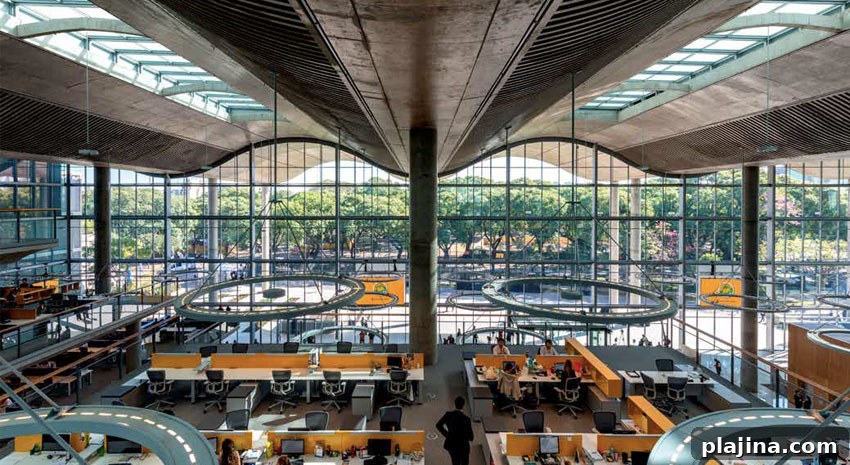
Designated Latin America’s smartest city, Buenos Aires leads the region in digital innovation, sustainability, open government and technology. The city’s advances have positioned it at the forefront of trends shaping major Latin American metros, and Buenos Aires recently ranked No. 1 in Latin America on the IESE Cities in Motion list, ahead of Santiago, Montevideo and Mexico City.
These improvements have made Buenos Aires an increasingly attractive destination for conferences and exhibitions. The International Congress and Convention Association reported 103 international conventions in 2016, up from 82 in 2015, making the city the top MICE (meetings, incentives, conferences and exhibitions) destination in Latin America. That momentum is expected to continue with the opening of a new convention center, expanded hotel capacity and the easing of air travel restrictions that previously limited international flights. New and resumed routes have already been approved, including the resumption of daily, non-stop service between New York and Buenos Aires.
The $70 million Buenos Aires Exposition and Convention Centre opened in 2017 in vibrant Recoleta, within easy reach of top hotels, attractions and public transit. The LEED-certified facility features three underground levels, a large rooftop garden and integrated solar panels that meet the city’s highest sustainability standards. Multiple bus lines, 900 parking spaces and a planned new subway station provide strong transport links from across the metro area.
With more than 193,000 square feet of exhibition space, the convention center accommodates up to 5,000 delegates. The main auditorium can be partitioned into three separate halls, and a second auditorium is also available. Additional amenities include a gastronomic hall, press room, machine room, storage, administrative offices and flexible workspaces. The Smart City Expo World Congress inaugurated the facility in October 2017, drawing over 15,000 visitors across three days.
La Rural, a historic convention venue established in 1886, remains another major event space. In 2016 it hosted 177 events, from agricultural shows to large consumer exhibitions. The Argentina Motor Show attracted more than 500,000 visitors in a recent edition. La Rural’s nine buildings on expansive Palermo grounds include beautifully restored early-20th-century structures that provide character and scale for major fairs.
Strong leisure and business travel have driven hotel performance: according to STR, hotel occupancy rose by 10 percent between the third quarter of 2016 and the same period in 2017. Convention and event calendars are typically busy in the spring months, filled with corporate and association meetings as well as sporting events. Since Jan. 2, 2017, the Argentine government exempts foreign tourists from the 21 percent accommodations tax, creating additional incentive for international visitors.
Home to nearly 3 million residents and more than 12 million in the greater metro area, Porteños take pride in the city’s Spanish and European heritage. Buenos Aires is the birthplace of tango and offers world-class opera, theater and art. Its well-preserved European-style architecture, lively dining scene featuring Malbecs from Mendoza and top-quality beef from the pampas, and neighborhood streetscapes filled with outdoor cafés, murals, green soccer pitches and late-night tango clubs make the city uniquely appealing.
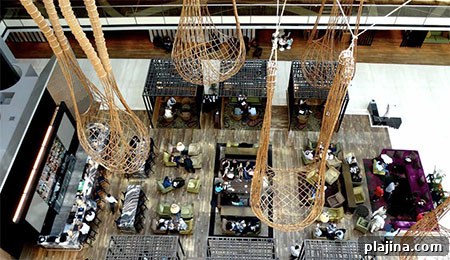
Hilton Buenos Aires’ new lobby with wicker artwork resembling fishing nets © JOANNA TRICORACHE
The newly renovated 417-room Hilton Buenos Aires offers the most meeting and convention space of any city hotel, with 32 meeting rooms and 72,290 square feet of function space, including 22,000 square feet of exhibit area that can host up to 2,700 people. Located in Puerto Madero—an upscale, manmade island linked to downtown by several bridges including Santiago Calatrava’s Puente de la Mujer—the hotel sits amid luxury properties, restaurants, office towers and a marina.
Alvear Icon Hotel & Residences, a newer deluxe property, features 159 guestrooms and suites, dining venues on the 33rd and 34th floors with expansive city views, six restaurants, eight small meeting rooms and a heated pool with a retractable roof on the 19th floor. Nearby, the Faena Arts Center—housed in a restored industrial building—provides an appealing off-site event option.
The Alvear Palace Hotel, the city’s classic grande dame, opened in 1932 in Recoleta and retains a Belle Époque atmosphere with 207 rooms and suites decorated in Empire and Louis XV styles. Its gourmet restaurants and seven conference rooms serve upscale meetings and special events.
The Brick Hotel – MGallery by Sofitel in Recoleta offers 175 guestrooms and suites and interiors adorned with vibrant South American artworks. Its seven divisible event rooms support meetings, private catering and social events for up to 400 attendees.
Several Recoleta properties—including Palacio Duhau-Park Hyatt (165 rooms and suites with roughly 9,170 square feet of event space) and Four Seasons (97 rooms, 49 suites; about 11,528 square feet)—are within walking distance of the new convention center, making the neighborhood convenient for conference delegates.
The InterContinental Buenos Aires, with 315 rooms near Plaza de Mayo and the Casa Rosada, offers 16 flexible meeting rooms totaling about 14,000 square feet and banquet capacity for around 800 guests. The Sheraton Buenos Aires, a large property with 742 rooms in the San Martín district, provides roughly 70,000 square feet of event space across 15 meeting rooms, including a largest hall of approximately 14,000 square feet.
Planned additions to the hotel scene include the Viceroy Buenos Aires at Madero Harbor, slated to open with 125 guestrooms and 30 residences. The development will be adjacent to a shopping center with numerous retail outlets, dining and entertainment options, and a heliport.
UNIQUE VENUES
For distinctive event settings, the Metropolitan Design Center in Barracas repurposes a restored 1930s fish market into designers’ studios, exhibition space and offices, complemented by notable street art by local artists. Polo and fútbol are integral to Argentine culture, and planners can arrange private visits to Campo Argentino de Polo or secure tickets to La Bombonera to experience Boca Juniors matches firsthand.
Tango shows play nightly across the city in a dozen theaters. The Carlos Gardel Theater, named for Argentina’s celebrated tango singer, stages dinner-and-show experiences that showcase the country’s signature dance and music in an immersive format.