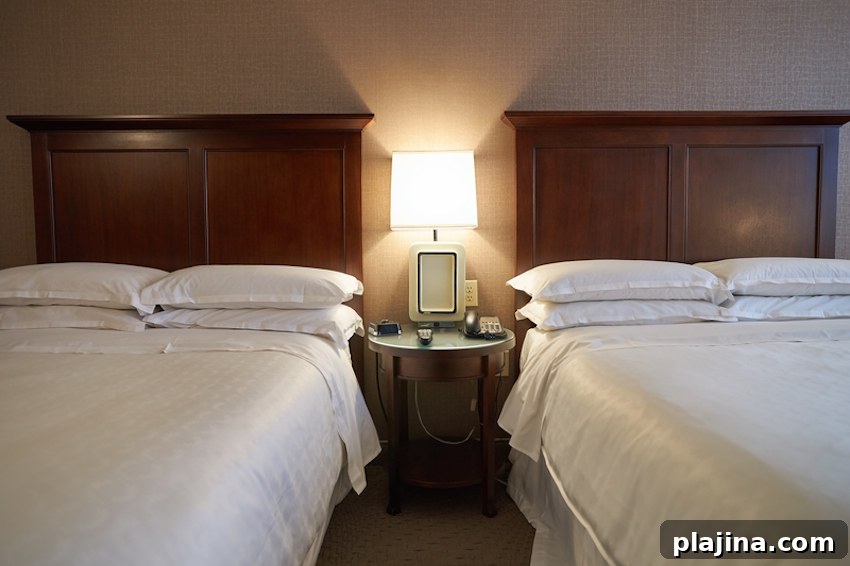
The Sheraton brand, first launched 81 years ago, is undergoing a comprehensive update to align with the expectations associated with Marriott International. Marriott has announced a focused effort to modernize Sheraton Hotels and Resorts so each property reflects current guest preferences and the company’s quality standards.
Already, a significant portion of Sheraton owners have committed to renovations. Approximately 25 percent of owners have allocated close to $500 million for renovation projects. Sheraton remains one of Marriott’s largest brands by room count and is the largest Marriott brand outside the United States, with 444 hotels spanning 72 countries. That global footprint means the upgrade program affects a wide variety of markets and property types.
The planned enhancements emphasize refreshed public spaces designed for both comfort and flexibility. Lobbies will be redesigned with a “town square” concept to encourage social interaction and provide multiple ways for guests to use the space. Expect a mix of communal seating and tables for informal work or dining, privacy booths for phone calls and video meetings, and small partially enclosed meeting areas that guests can reserve for brief gatherings.
Food and beverage offerings will also be updated to meet changing consumer habits. Properties will introduce multifunctional beverage counters—described as “coffee bars”—that serve specialty coffee and daytime snacks and transform into a service point for alcoholic beverages in the evening. This approach is intended to make food-and-beverage outlets active throughout the day and provide additional options for guests seeking relaxed social spaces.
Marriott’s commitment extends beyond physical changes: leadership has taken an active role in shaping the reinvention. Tina Edmundson, global brand officer, conducted a thorough assessment, visiting properties on every continent to identify areas for improvement and to ensure consistency in the guest experience worldwide. That hands-on review informed a set of brand standards and recommended design elements intended to modernize the look and functionality of Sheraton hotels.
To maintain brand consistency, owners who do not undertake the required updates face clear options. Properties that choose not to implement the changes will be given the opportunity to rebrand under a different Marriott brand that better aligns with their current condition, or they may exit the Marriott system. This policy aims to ensure that guests can rely on a consistent level of service and design when booking a Sheraton hotel.
The renovation program balances respect for Sheraton’s long history with the need to meet contemporary expectations for comfort, connectivity and convenience. By focusing on flexible public spaces, improved food-and-beverage concepts, and a consistent global standard driven by brand leadership, Marriott intends to reinforce Sheraton’s relevance in today’s hospitality market. The update program also signals Marriott’s broader strategy of investing in legacy brands to retain guest loyalty while attracting new travelers seeking modern amenities and adaptable communal spaces.
As owners proceed with planned renovations, travelers can expect refreshed Sheraton properties that better reflect modern travel patterns—spaces designed for work, casual socializing, and seamless transitions between daytime and evening atmospheres. With significant investment already committed and active oversight from brand leadership, Sheraton’s transformation is poised to preserve the brand’s longstanding presence while delivering an experience aligned with contemporary guest needs.