
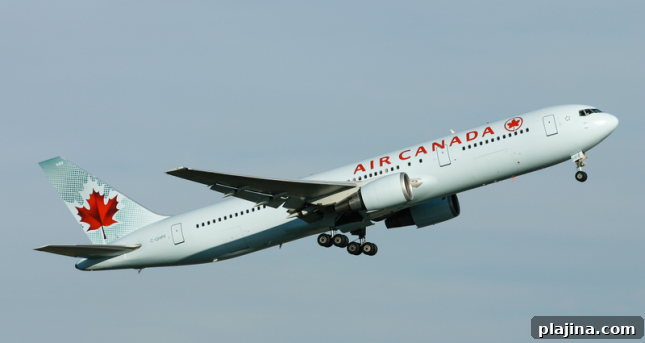
Air Canada has expanded its paid seating options by enhancing its Preferred Seats program, which allows travelers to choose seats with extra legroom on North American flights. The upgrade emphasizes passenger choice and flexibility while giving customers an opportunity to pay for more comfortable economy seating.
Preferred Seats on Air Canada are designed to provide about 35 inches of legroom, compared with the 31–33 inches typical of standard economy seats. First introduced in 2009, the Preferred Seats option has evolved as the airline reconfigured its narrow-body fleet to include more of these seats across aircraft types. The airline describes the change as an enhancement to customer choice by increasing the number of seats that offer additional space.
Passengers can consult seat charts that display Preferred Seat locations on each aircraft to make an informed decision about where to sit. Travelers may choose a Preferred Seat for individual flight segments or for an entire itinerary, depending on their needs. Pricing begins at $20 per flight segment for customers traveling on a Tango fare and varies based on the length of the flight leg and the traveler’s Altitude frequent flyer status. The fee structure is tiered so that longer sectors and differing fare classes or loyalty tiers can affect the cost.
Air Canada also streamlined the purchase process so customers can select and pay for Preferred Seats through multiple channels. Seat selection and payments are available via the airline’s website, airport kiosks and mobile devices, giving passengers several convenient ways to upgrade their seat for added legroom. This multi-channel availability helps travelers make last-minute decisions or secure a preferred position when booking.
The program is positioned as an option for customers who prefer more personal space in economy without moving to a higher cabin class. While the extra legroom does not constitute a separate cabin, Preferred Seats are intended to bridge the gap between standard economy and premium economy offerings by providing a modest but noticeable increase in comfort. As with similar seat-selection programs across the industry, Preferred Seats are an optional add-on rather than a standard feature of every ticket.
When considering a Preferred Seat, passengers should review the aircraft-specific seat map so they know exactly where extra legroom is available—near bulkheads, exit rows or other locations where the seat pitch is greater. Seat availability varies by aircraft type and individual flight, so early booking increases the likelihood of securing a preferred position. Travelers who hold higher Altitude status may see reduced fees or better access to these seats depending on the program’s current benefits.
Air Canada’s move mirrors broader industry trends in which carriers offer a la carte options to customize travel experiences. For passengers weighing the benefits, the choice to purchase Preferred Seats can be a practical way to improve comfort on shorter flights without the cost of upgrading to a premium cabin. The program’s pricing flexibility and multiple purchase channels aim to make that decision straightforward for a wide range of travelers.
In summary, Air Canada’s enhanced Preferred Seats program increases the number of economy seats available with approximately 35 inches of legroom, provides transparent seat maps to aid selection, and allows customers to pay for these seats through online and airport channels. Costs start at $20 per segment for certain fares and vary by flight length and frequent flyer status, offering travelers a flexible option to add comfort to their journey.