
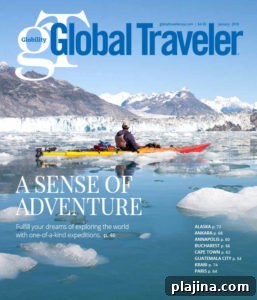
KAYAKING ON ALASKA’S GLACIAL WATERS © GAIL JOHNSON | DREAMSTIME
Alaska’s glacial waters offer some of the planet’s most striking and serene paddling experiences. From mirror-calm bays to channels carved by ancient ice, kayaking here blends awe-inspiring scenery with intimate encounters with wildlife and raw nature. Whether you are an experienced sea kayaker or a competent intermediate paddler seeking a guided trip, Alaska delivers dramatic landscapes, clear blue ice, and a sense of remoteness few places can match.
Why Kayak Alaska’s Glacial Regions?
Glacial waterways are unique for their color, texture, and the way they reflect light. Glacial melt produces milky turquoise waters that contrast sharply with dark rock and emerald coastal forests. Paddling close to tidewater glaciers gives you a perspective you can’t get from land: the towering face of moving ice, the sound of calving echoing across the water, and the chance to watch seals, otters, and seabirds that rely on these cold, nutrient-rich environments.
Best Times to Go
The prime kayaking season runs from late spring through early fall. June to August typically brings the warmest weather, longer daylight hours, and calmer seas, though conditions can change quickly. In shoulder seasons like May and September you can find fewer crowds and dramatic light, but you should be prepared for colder temperatures, variable weather, and potentially stronger winds.
Popular Regions and Routes
Coastal Southeast Alaska, Glacier Bay, Prince William Sound, and Kenai Fjords are among the most popular glacial kayaking destinations. Each area has its own character: Glacier Bay features sprawling national park scenery and abundant wildlife; Prince William Sound offers sheltered fjords and iceberg-filled waters; Kenai Fjords pairs accessible glaciers with coastal trail networks. Many paddlers combine kayak trips with small-boat cruises or use guided multiday expeditions to reach remote fjords and tidewater glaciers.
What to Expect on the Water
Paddling on glacial waters requires respect for the environment and an understanding of hazards. You may encounter floating ice, sudden wind shifts funneling through valleys, cold water temperatures, and marine wildlife. Typical day trips range from protected bays with gentle conditions to more exposed crossings that require solid navigation and group skills. Multiday trips often use sea kayaks equipped for camping, with routes planned to take advantage of tidal currents and sheltering islands.
Gear and Safety Essentials
Proper gear is essential: a drysuit or high-quality spray skirt and layered clothing, a sea kayak suited to open-water paddling, a paddle float and bilge pump, waterproof communication devices, and a well-stocked first-aid kit. Navigation tools, knowledge of tides and currents, and experience rolling or assisted rescues are important for safety. Many paddlers travel with guides who provide safety briefings, local knowledge, and logistical support.
Wildlife and Environmental Considerations
Alaska’s glacial coasts are habitat for seals, sea lions, porpoises, whales, and birds like puffins and kittiwakes. Respect wildlife by maintaining distance, keeping noise to a minimum, and avoiding sensitive haul-out sites. Glacial areas are also vulnerable to climate change; paddlers should minimize their footprint by following Leave No Trace principles, packing out all waste, and choosing operators that prioritize sustainability.
Planning Your Trip
Decide whether you want a guided trip or a self-supported itinerary. Guided expeditions suit those unfamiliar with local conditions or who prefer logistics handled, while experienced paddlers may plan independent routes using charts and tide tables. Book permits and campsites where required, check weather and tide forecasts, and ensure you have contingency plans for delays or changing conditions. Local outfitters can arrange transport, gear rental, and experienced guides to make the most of your time on the water.
Final Thoughts
Kayaking Alaska’s glacial waters is an unforgettable way to experience some of North America’s most dramatic landscapes. With careful planning, respect for wildlife and environmental sensitivities, and appropriate safety gear, you can enjoy breathtaking paddling, close encounters with ice and wildlife, and moments of peaceful solitude far from the crowds.