
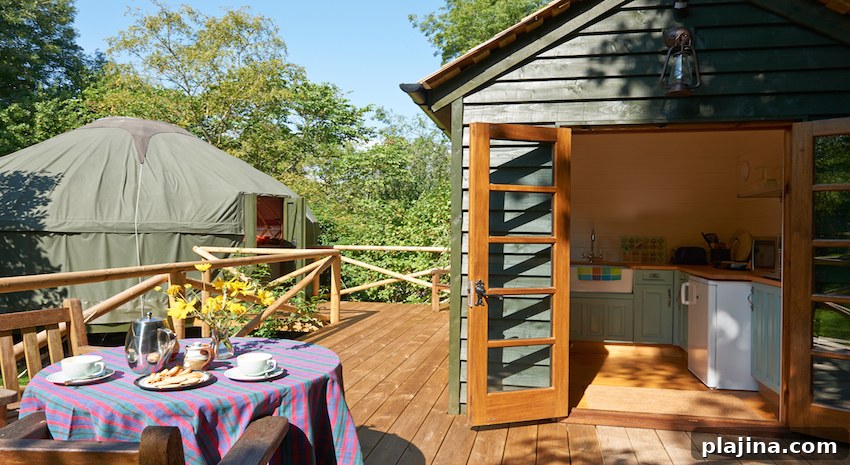
Glamping exploded into the travel scene around 2006, offering an alternative for travelers who want to experience the outdoors without giving up the comforts of home or a hotel. Short for “glamorous camping,” glamping often takes place in structures other than a standard tent — from yurts and pods to villas and treehouses — and focuses on combining nature with comfort and style.
Over the last decade the concept moved into the mainstream as a range of hospitality companies responded to demand for elevated outdoor stays. Creative accommodations proliferated, with dedicated sites listing hundreds or even thousands of properties worldwide. The growing number of established glamping sites and hospitality brands suggests the category is not simply a short-lived fad but a lasting segment within travel.
Recent consumer research helps explain why glamping has staying power. A survey by Ask Your Target Market found that 69 percent of campers appreciate camping because it lets them spend time outdoors, while 45 percent value the chance to explore new places. But many campers are less enthused about the chores of traditional camping: only 28 percent enjoy activities such as setting up a campsite and cooking over a camp stove, and 48 percent dislike lacking access to familiar amenities.
Because of that divide, glamping appeals to travelers who want a strong connection to nature without the inconveniences of roughing it. Even if the term “glamping” doesn’t resonate with everyone, the underlying idea — offering comfortable, curated outdoor stays — attracts a large and diverse audience. As more brands and properties enter the market, glamping provides a distinct alternative to conventional hotels for people seeking experiential travel that balances adventure with convenience.
In the evolving landscape of travel, glamping fills an important niche: it allows guests to immerse themselves in natural settings while maintaining modern comforts and safety. Whether described as luxury camping, boutique outdoor lodging, or something else entirely, this style of travel continues to expand, driven by travelers who want authenticity without unnecessary hardship. As experiential travel grows, glamping’s blend of accessibility and immersion positions it as a durable and appealing option for many types of travelers.