
If you’ve never visited wine country during harvest, you’re missing one of the most vivid experiences the region offers. Vineyards come alive with crews picking sun-warmed clusters while the winery works through sorting tables and presses, gently extracting juice and tannins. In the cellar, the aroma of fermenting grapes and baking bread fills the air as tanks bubble and winemakers monitor every step. For enthusiasts, witnessing harvest by being on-site creates a deeper appreciation for the labor and timing behind each bottle—an intimacy that can’t be matched by a casual tasting at the bar.
If you want an iconic Napa harvest celebration, V. Sattui Winery in St. Helena is a classic choice. Founded generations ago by Vittori Sattui, the family business was reestablished in Napa Valley in the 1970s and became known for welcoming visitors with hospitality-focused events. Their long-running harvest festivities typically include hands-on activities like grape stomping, demonstrations of winemaking stages from cooperage to bottling, live music, Italian-style food, and ample wine sampling. These kinds of events let guests see the craft, taste the results, and enjoy the communal energy of harvest season.
PEJU Winery in Rutherford helped shape the modern tasting-room model by being among the first to sell directly to visitors. Today the family-run, certified-organic operation continues that spirit, inviting guests to celebrate harvest with an energetic grape stomp and subsequent family-style dining paired with a range of winery selections. Events at this scale combine conviviality and education—visitors leave having learned a little more about vineyard cycles while savoring freshly produced wines.
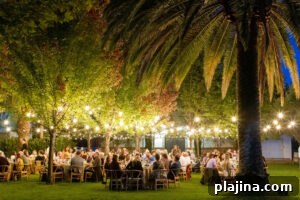
PHOTO: © JENNIFER GRAHAM PHOTOGRAPHY
Grgich Hills Estate, also in Rutherford, blends historic significance with hands-on harvest traditions. Co-founded by a noted winemaker whose Chardonnay helped redefine American wine on the world stage, the estate now practices regenerative farming and opens its harvest to guests. Events often highlight cultural ties and winemaking history with regional food, music, traditional dances, and opportunities for visitors to participate in grape stomping—connecting modern production with old-world practices.
For lovers of Pinot Noir, small producers like Elkhorn Peak Cellars offer intimate harvest experiences. Operating as a family-run micro-winery, Elkhorn Peak focuses on site-driven expressions, and their vineyard stomp events provide a guided walk through the vines, a chance to stomp clusters in a barrel, and time to relax with a glass and a personal charcuterie plate. These smaller gatherings are ideal for people who want to learn about vineyard stewardship and winemaking details from growers and winemakers directly.
Reynolds Family Winery, founded by a dentist-turned-winemaker and now a second-generation estate, situates itself along the Silverado Trail near famed appellations. The winery’s harvest party often centers on a playful grape-stomping contest and the rare treat of tasting older library bottlings pulled from the cellar. Paired with wood-fired pizzas and a festive atmosphere, events like this combine education, competition, and celebration in a way that highlights both the work and joy of harvest.
Across Napa, harvest events vary from large, festival-style gatherings to small, curated experiences. What they share is the opportunity to see the seasonal rhythms of the vineyard, taste freshly made wines, and engage directly with the people who tend the vines and craft the wines. Visiting during harvest provides a sensory-rich perspective on viticulture and winemaking that deepens appreciation for every bottle purchased at retail or encountered at a tasting table.
INFO TO GO
The majority of visitors traveling to Napa Valley arrive via San Francisco International Airport or Oakland International Airport, both served by major carriers. Sacramento International Airport can be a useful alternative, depending on schedules and traffic. Public transportation options are limited for reaching Napa directly; travelers flying into San Francisco sometimes choose the San Francisco Bay Ferry to Vallejo and then transfer to VINE Transit bus service to reach the valley. Because the region is spread out and attractions are dispersed along scenic roads, most visitors find it easiest to rent a car or arrange private transportation. Depending on which airport you use and current traffic conditions, driving to Napa Valley typically takes between one-and-a-half and three hours.