PHOTO: © VADYM LAVRA | DREAMSTIME.COM
Iceland has become a magnet for travelers. Between August 2022 and July 2023, more than two million visitors arrived on the island, most of them on holiday. For a nation with a population under 388,000, that visitor-to-resident ratio is remarkable. Still, Iceland’s vast area—nearly 34,000 square miles, comparable to Kentucky or Virginia—means there is plenty of space to explore.
While winter once dominated travel to Iceland, especially for those chasing the aurora borealis, the country increasingly attracts visitors across all seasons. Spring, summer and fall now see rising numbers of travelers who come for longer stays to enjoy milder weather, extended daylight and abundant outdoor activities.
If your trip falls during winter, booking guided tours is often the safest option—experienced drivers handle snow- and ice-covered roads while you relax and enjoy the scenery. In contrast, self-drivers can comfortably rent a car and follow their own itinerary in spring (April–May), summer (June–August) and autumn (September–October). Hiking, sightseeing and flexible stops make a self-drive trip appealing, and campervans are a popular choice for those seeking a mobile adventure.
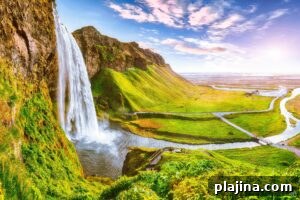
The most famous driving route is the Ring Road, an 821-mile paved highway that circles the island and remains open year-round, though weather-related closures can occur. A seven-day Ring Road itinerary can include highlights such as icebergs drifting in Glacier Lagoon, the glittering pieces of ice along Diamond Beach, the dramatic Seljalandsfoss and Skógafoss waterfalls, the lively northern hub of Akureyri, and the volcanic, lunar-like landscape of Borgarfjörður where past eruptions shaped the terrain.
Volcanic activity is an integral part of Iceland’s character: nearly 130 volcanoes lie across the country, and eruptions are unpredictable. Recent events, including the 2021 eruption on the Reykjanes Peninsula and later activity at Fagradalsfjall, drew global attention and remind visitors that Iceland is a living, evolving landscape.
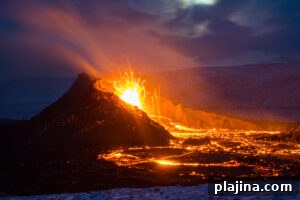
PHOTO: © GESTUR GISLASON
| DREAMSTIME.COM
Even outside of major eruptions, Iceland’s volcanic features remain a major draw. The southwest Fagradalsfjall volcano staged a memorable display recently, and scientists expect more activity in the future, which continues to shape the island’s dramatic scenery.
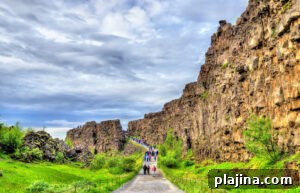
With limited time, Reykjavík makes an excellent base. From the capital you can take short drives to remarkable places like Þingvellir (Thingvellir) National Park. This UNESCO World Heritage site is unique: here you can literally stand between the North American and Eurasian tectonic plates. Adventurous visitors can dive or snorkel in the Silfra fissure, where extraordinary underwater visibility—often approaching 400 feet—creates one of the clearest dive sites on Earth.
Warmth and relaxation are never far away in Iceland, thanks to abundant geothermal pools and hot springs. The Blue Lagoon, near Keflavík International Airport, grew from a local lava-field pool beside a geothermal power plant into a global spa destination after opening to the public in 1999. For a newer option, Sky Lagoon—opened in 2021 just outside Reykjavík—offers an oceanfront infinity pool and a curated Seven-Step Ritual that blends Icelandic bathing traditions with modern spa design.
© LEONID ANDRONOV | DREAMSTIME.COM
For visitors who prefer guided experiences, FlyOver Iceland offers a 4D flight simulation that showcases parts of the country not easily reached by road, using wind, mist and scent to enhance the experience. From late spring through summer, cruising around Iceland is another popular option: a variety of expedition and luxury cruise lines operate circumnavigational voyages that provide a different perspective on the island’s coastline and wildlife.
Whether you explore Iceland by car, campervan, cruise or guided tour, the Land of Fire and Ice delivers unforgettable scenery, geothermal wonders and a sharply defined sense of place that stay with travelers long after they return home.
LODGING
Hotel Rangá
Located in the quiet of South Iceland, Hotel Rangá blends luxury, gourmet dining and excellent opportunities to view the northern lights. Ideal for travelers seeking comfort and scenic surroundings.
851 Hella
$$$$$
Ion Adventure Hotel
ION Adventure Hotel, east of Reykjavík, caters to active travelers. Its adventure team arranges excursions across Iceland’s varied terrain for guests who want immersive outdoor experiences.
Nesjavellir vid Thingvallavatn, 801 Selfoss
$$$$
The Reykjavik EDITION
The Reykjavik EDITION, a five-star property in the Old Harbor area, combines modern luxury with the city’s strong sustainability focus and convenient access to Reykjavík’s attractions.
Austurbakki 2, Reykjavík
$$$$$
DINING
Kaffivagninn
Opened in 1935, Kaffivagninn is Iceland’s oldest restaurant and a casual waterfront spot frequented by locals. It’s a great place for breakfast or lunch and for people-watching by the harbor.
Grandagardur 10, Reykjavík
$$–$$$
Old Iceland Restaurant
For traditional Icelandic flavors, Old Iceland Restaurant in Reykjavík highlights local produce and classic dishes prepared with care by its owner-chef team.
Laugavegur 72, Reykjavík
$$$$
Tides
Led by Michelin-starred chef Gunnar Karl Gíslason, Tides focuses on seafood and seasonal ingredients, presenting contemporary interpretations of Icelandic cuisine in a refined setting.
Austurbakki 2, Reykjavík
$$$$
INFO TO GO
Keflavík International Airport, about 30 miles from Reykjavík, is the main entry point for most international travelers and an important transatlantic hub. Icelandair operates regular flights to major destinations in the U.S., U.K. and Europe. From the airport you can find shuttle services to the city center arriving roughly 40 minutes after flights land, take public bus 55, rent a car, or choose a taxi for a faster transfer.