
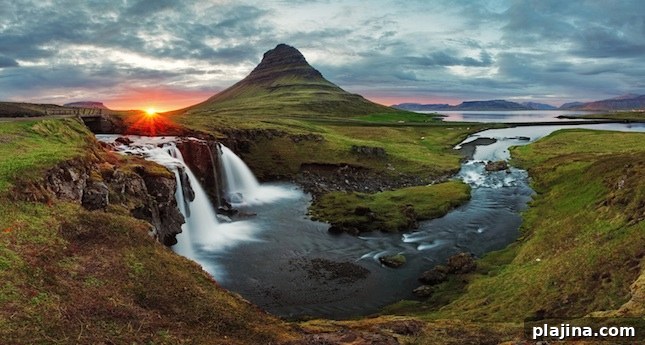
Tourism in Iceland has expanded dramatically in recent years. The country expects to welcome around 1.7 million visitors in 2016, a striking increase from roughly 250,000 visitors in 2002. Today tourism contributes more foreign revenue to Iceland than any other industry.
“Iceland has over the past few years enjoyed growth far beyond any forecasts and the sector is expected to continue to grow,” said Ragnheidur Elín Árnadóttir, minister of industry and commerce. “Last year 1.3 million tourists visited Iceland, a 30 percent increase from 2014. This year 1.7 million tourists are expected to visit the country, more than five times Iceland’s population. This increase represents a challenge for us, as tourism has historically been very seasonal, but we have been able to change that picture and attract more visitors during the off-season period and can therefore be optimistic for the future of the industry.”
Several factors explain Iceland’s recent tourism boom. The internationally praised Inspired by Iceland marketing campaign highlighted the country’s appeal as an all-season destination and helped boost interest in winter activities. Growth in the meetings, incentives, conferences and exhibitions (MICE) market has also contributed, with the sector expanding about 11 percent between 2014 and 2015. Repeat visitation is high: surveys show a large majority of visitors express a desire to return for a second trip.
Improved air connectivity has made Iceland more accessible. Increasing routes to Reykjavík have shortened travel times and broadened options for visitors coming from North America and mainland Europe. Flights from many North American cities are about five hours long, and flights from mainland Europe can be as short as three hours. Iceland now has more weekly departures to North America from its airports than the combined totals from the capitals of Norway, Sweden and Finland, further strengthening its position as a convenient North Atlantic hub.
As tourism continues to grow, Iceland faces the dual task of managing visitor numbers and distributing tourism activity more evenly across seasons and regions. Authorities and industry stakeholders are working to develop sustainable tourism practices, diversify offerings beyond peak months, and expand infrastructure to meet rising demand while protecting the country’s unique natural and cultural assets. Continued marketing, route development and a focus on year-round experiences remain key to maintaining momentum while ensuring long-term benefits for local communities and the environment.