HYDERABAD’S transformation into a modern tech hub began in the 1990s, when plans were set in motion to build a large, state-of-the-art campus for IT and emerging industries west of the old city. Two decades later, HITEC City emerged as that vision’s centerpiece, helping to rebrand this ancient southern city as “Cyberabad.”
But Hyderabad’s inventive spirit reaches much further back. Golconda Fort, perched on a granite hill south of HITEC City, dates from the 15th and 16th centuries. Even in ruins it testifies to early advances in communication: the fort’s acoustics carry sound in surprising ways — a clap at the entrance can be heard in a pavilion more than half a mile away, and whispers transmit between rooms. The region’s early rulers, the Nizams, understood the strategic power of communication and spectacle.
Scattered across the city are several ornate Nizam palaces, one of which—Falaknuma Palace—has been restored as an opulent hotel set in 32 acres of gardens. The palace hotel provides an elegant base for business stays, offering both a refined setting for meetings and a quiet retreat from the intensity of the streets.
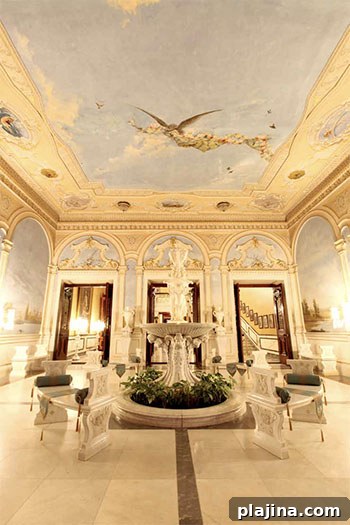
Falaknuma Palace front entrance room © BEVANWARD | DREAMSTIME
For a memorable business breakfast, the Gol Bungalow terrace at Falaknuma offers sweeping views over the waking city. Enjoy the calm while it lasts — step beyond the palace gates and you’re immediately immersed in the bustle of India’s fourth-largest city.
To support its role as an innovation hub, Hyderabad invested significantly in transport upgrades. A light rail network, launched in 2003, now carries nearly 200,000 passengers on weekdays. The road network has been modernized with ring roads and dozens of overpasses, easing traffic flow around the city.
One of the most economical and flexible ways to travel locally is the three-wheel motorized rickshaw. Riding a rickshaw can be exhilarating: drivers weave through traffic and narrow lanes, often reaching destinations faster than taxis. The experience is lively and occasionally hair-raising, but it remains a practical way to navigate both the old city’s maze-like streets and the newer business districts.
Longstanding airport hassles largely disappeared after the opening of Rajiv Gandhi International Airport in 2008. Located south of downtown, the airport transformed connectivity for Hyderabad, serving as a busy domestic hub and offering direct long-haul flights to destinations such as London and Chicago, as well as numerous Asian cities.
Food is central to Hyderabad’s appeal. The city is famed for its rich, spicy Mughlai cuisine, a legacy of the Mughal era. For business lunches and local flavors, many restaurants offer traditional preparations. For example, waterfront dining beside Hussain Sagar Lake provides a pleasant setting for daytime meetings.
If you prefer international fare, HITEC City and other modern districts host a wide range of options, from contemporary Western menus to varied Asian and vegetarian choices. These restaurants cater to international visitors and local executives alike.
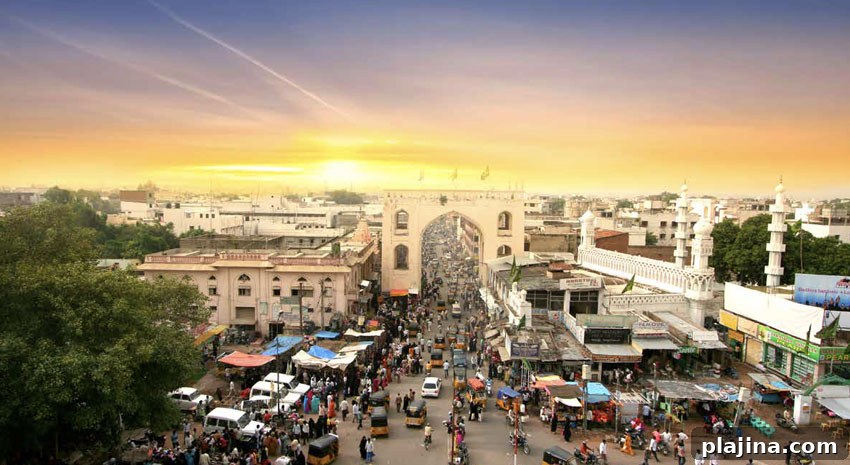
Moving between old Hyderabad and HITEC City is always striking. Downtown streets present a vivid, noisy tapestry of city life, while the business parks feature broad, tree-lined avenues and glass-clad towers. That contrast — ancient traditions rubbing shoulders with modern infrastructure — captures the essence of contemporary India.
Hyderabad’s most iconic landmark is the Charminar, an active mosque with four soaring minarets built in 1591. It stands at a busy crossroads and remains the spiritual and cultural heart of the city; passing through its shadow is a quintessential Hyderabad experience.
When entertaining in the evening, many business hosts face the classic choice between traditional curry and other cuisines. One respected option for local specialties is a fine Mughlai restaurant within a luxury hotel, where chefs prepare regional favorites including Hyderabadi biryani — a fragrant mixed rice and meat dish that is a local must-try.
For Italian and other Western dishes, several well-regarded eateries in districts such as Jubilee Hills serve pasta, pizza and diverse international plates, making them convenient alternatives for corporate dinners and informal meetings.
Throughout your visit, expect to be moved between contrasts: the ancient and the modern, serene and chaotic. Retreating to a palace hotel after a day in the city can be the perfect antidote to culture shock — a chance to regroup in calm surroundings before heading back into Hyderabad’s dynamic rhythm.