
A new survey commissioned by the Marriott Rewards credit card from Chase asked Americans to imagine travel in 2030 and identify the changes they expect to see. The survey polled 1,000 travelers between 18 and 47 who stay in a hotel at least five nights per year, and the responses point to technology-driven experiences, novel accommodation types and evolving service models.
Technology and virtual reality featured prominently in respondents’ predictions:
- 37 percent of travelers expect holographic personal trainers to help them exercise while on the road.
- 58 percent believe passports may become available in digital form on devices, and 50 percent think facial recognition could replace traditional passports.
- 40 percent foresee underwater hotels becoming more common within the next 15 years.
- Space travel as a vacation option is seen as more likely by women in the sample (40 percent) than by men (29 percent).
- 61 percent expect hotels to offer 24/7 virtual concierge services to cater to guests’ needs.
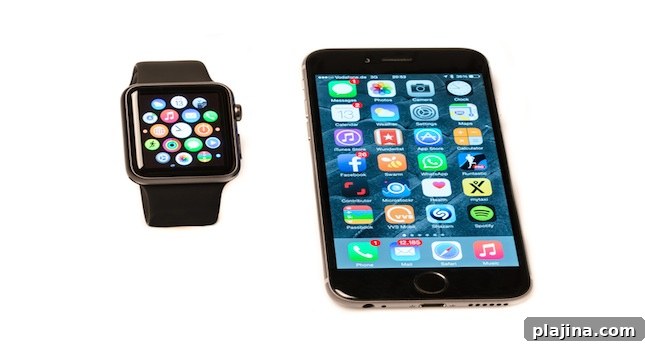
- More than half of respondents predicted increased use of smartwatches and other mobile payment methods while traveling.
- 47 percent believe personalized mobile travel guides will be widely available.
- 51 percent think extreme hotel experiences—such as zip-lining to a treehouse—will become possible and popular.
- Travelers were skeptical about some futuristic concepts: only 26 percent thought trans-Atlantic trains would be available by 2030, and just 24 percent believed flying cars would be an option for travel.
“From advancements in technology to new destination and experience opportunities, the way we travel is ever evolving,” said Vibhat Nair, general manager, Chase Card Services. “As travel becomes more advanced, we are making it easier for travelers to earn credit card reward points for trips they are taking today, and to put toward their future travel.”
The survey highlights how travelers expect digital tools, biometric systems and immersive experiences to reshape trips in the coming decade, while also showing lingering skepticism about certain long-range transportation innovations. Together, these findings suggest hotels, travel providers and technology companies will need to focus on seamless digital services, personalized guest experiences and novel accommodations to meet evolving traveler expectations.