
Without swift, comprehensive changes to the way people live on Earth, we will face climate change impacts on an ever larger scale. Greenhouse gases—naturally occurring but dramatically increased by human activity such as burning fossil fuels—are driving global warming and producing widespread consequences. Everyday actions like driving a car, heating a home, or using electricity raise an individual’s carbon footprint and contribute to the broader climate crisis.
There are many practical ways to lower your carbon output at home and while traveling. Overall, using less energy and choosing lower-impact options can make a meaningful difference. Simple habits—reducing meat consumption, switching to efficient lighting, and favoring public transit over driving alone—help decrease your environmental impact.
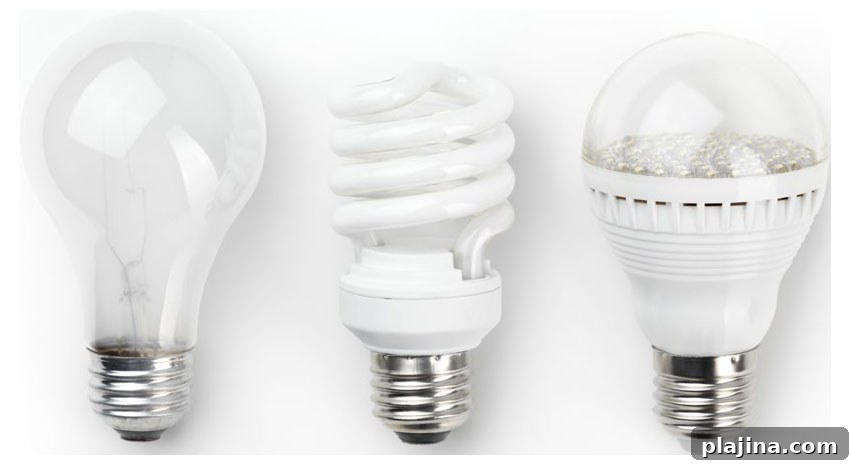
Start at home with lighting: switch to LED bulbs, which are up to 80 percent more efficient than incandescent bulbs. LEDs reduce electricity bills and last significantly longer. Compact fluorescent lamps (CFLs) can also save energy, but LEDs are generally preferred today for their performance and availability.
When replacing appliances—refrigerators, washing machines, water heaters, microwaves—look for Energy Star-rated models or similarly certified products that prioritize energy efficiency. These investments lower ongoing energy use and save money over time.
Be smart about thermostats. Lowering the thermostat by a degree or two in cold months and raising it slightly in warm months reduces energy consumption. Turning HVAC systems off or setting them back when the house is empty also cuts usage. Smart thermostats and home energy devices can automate schedules and let you monitor consumption from your phone.
Wash clothes in cold water and hang them to dry when possible. Both choices significantly reduce energy use compared with hot-water cycles and electric drying.

© PHOTKA | DREAMSTIME.COM
Recycle and compost whenever possible, using municipal services or private options. The U.S. Environmental Protection Agency notes that keeping materials like glass, aluminum, plastic and paper out of landfills can prevent hundreds of pounds of carbon dioxide from entering the atmosphere per household each year—equivalent to reducing vehicle miles.
Installing solar panels can reduce or eliminate a home’s dependence on nonrenewable electricity, lower energy bills, and in some regions allow homeowners to sell excess generation back to the grid. Solar installations are a long-term investment in both savings and emissions reduction.
When shopping for a vehicle, consider hybrids, plug-in hybrids or fully electric cars, or at minimum choose a fuel-efficient model. Depending on how your local grid is powered, electric vehicles can substantially lower your driving-related emissions. You can also improve fuel economy by keeping tires properly inflated, removing unnecessary weight from your vehicle, combining trips, carpooling, biking, walking and using public transit.
At the grocery store, reduce meat consumption and choose locally grown, sustainable produce when possible. Producing meat—especially beef—typically emits far more greenhouse gases than growing vegetables. Buying local reduces transportation emissions, and selecting loose or bulk items limits packaging waste. Bring reusable bags and refillable water bottles instead of buying single-use-packaged drinks.
Consider getting a home energy audit from a local professional. An audit identifies areas where insulation, sealing, or equipment upgrades can improve efficiency, reduce energy bills and shrink your household carbon footprint.
Traveling, especially by long-distance flights or private jets, produces significant carbon emissions. If flying is unavoidable, choose more efficient carriers when possible and seek direct flights to reduce total travel distance. For travelers interested in offsetting air travel emissions, carbon offsets are an option: paying into projects that reduce or remove greenhouse gases can partially compensate for emissions. Not all offset programs are equal, so research their credibility and the specific projects they support, such as reforestation, methane capture or renewable energy development.

© IAN FRANCIS | DREAMSTIME.COM
Choose lower-impact activities while traveling—hiking, kayaking, walking tours and cycling tend to have much smaller footprints than powerboating or air sports. Pack lighter to reduce transportation weight, which lowers fuel use whether you fly or drive. If you want to reduce per-passenger emissions, travel economy rather than business or first class: higher class cabins occupy more space and hence allocate a larger share of fuel per traveler.
When booking accommodation, prefer hotels with clear sustainability practices: energy- and water-saving programs, responsible sourcing in kitchens, reduced housekeeping frequency and green building practices. Use towel and linen reuse programs, decline daily housekeeping when possible, and turn off lights and adjust thermostats when leaving your room. Selecting eco-conscious tour operators and accommodations helps support businesses that prioritize lower environmental impacts.
Making a collection of small, consistent changes—at home, at the store and on the road—adds up. Reducing consumption, choosing efficient technologies, supporting renewable energy and favoring lower-impact travel choices can meaningfully lower your carbon footprint and contribute to broader efforts to limit climate change.