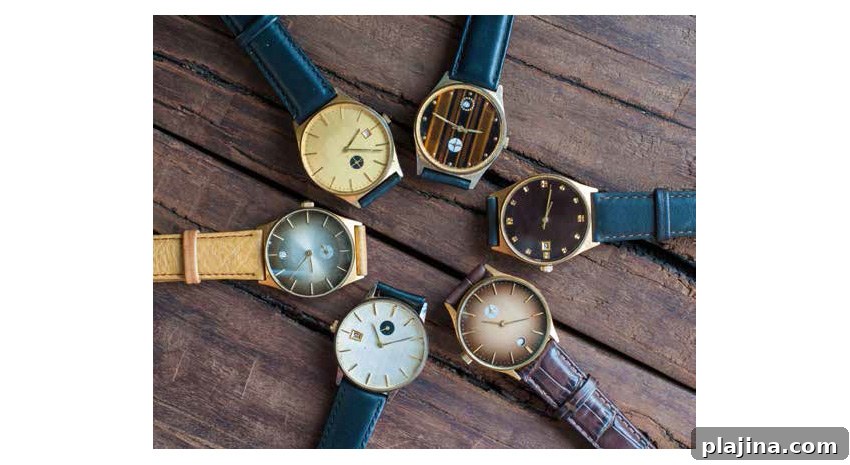
There’s no denying the vintage watch market is hotter now than it has been in years. Online marketplaces have made rare timepieces accessible to collectors who once relied on chance encounters and local dealers. At the same time, many buyers are discovering that well-chosen collectibles can sometimes yield faster, more predictable returns than traditional investments. So how do you shop for vintage watches carefully and effectively? After years of collecting and talking with experienced buyers, sellers, and consignors, here’s a concise Vintage Watch 101 to help you make smarter choices.
Do Your Homework
Buying vintage requires more than spotting an attractive piece and clicking “buy.” If a price seems too good to be true, dig deeper. Watches with incorrect hands, aftermarket crowns, or poorly refinished dials rarely retain value the way a well-preserved or professionally restored original will. Start by searching for comparable examples online. Note details such as dial layout, hands, crown style, case finishing, and movement markings. If the example you’re considering deviates from multiple comparables, treat that as a warning sign. Also compare realized sale prices rather than just asking prices. If a listing is significantly higher or lower than comparable sales, that’s another red flag. Finally, ask the seller for provenance and service history. Knowing how long they’ve owned the watch and when it was last serviced can prevent costly surprises. No documented service history can mean an expensive repair bill down the line, so factor that into your negotiations.
Choose Sellers Wisely
The internet—especially large auction platforms—hosts both reputable dealers and risky listings. Established vintage dealers and specialist shops offer vetted, authenticated pieces and tend to command market prices. If you prefer certainty and are willing to pay for it, those sellers are reliable sources. If you’re hunting for a deal, aggregator sites that list multiple resellers can broaden your search, but stay with verified sellers and check their feedback and return policies. Reputation, transparent photos, clear descriptions, and a reasonable return policy are strong indicators that a seller is trustworthy. Ultimately, weigh your tolerance for risk against the premium you might pay for guaranteed authenticity and condition.
Gamble with Caution
Some collectors enjoy taking calculated risks on watches with potential. If you choose to gamble, be methodical. Run the numbers before buying: estimate the cost of parts, servicing, and any needed cosmetic work. If a watch is listed at $2,000 but will require $800 of servicing to be reliable and presentable, you should ask whether you can buy a comparable serviced watch for the total amount instead. Sometimes buying a fixer-upper is a bargain; other times it’s a money pit. Avoid emotional purchases that ignore the practical costs of restoration and maintenance. A disciplined approach helps ensure your collection brings satisfaction rather than regret.
In short, success in the vintage watch market comes from research, choosing reputable sellers, and careful budgeting. Learn to spot inconsistencies, compare real sale prices, and verify service history. When you’re willing to pay a small premium for documented authenticity and good condition, you minimize risk. And when you do decide to take a chance, do the math first so the gamble can be an informed one. With patience and awareness, collecting vintage watches becomes a rewarding pursuit rather than a gamble you regret.