
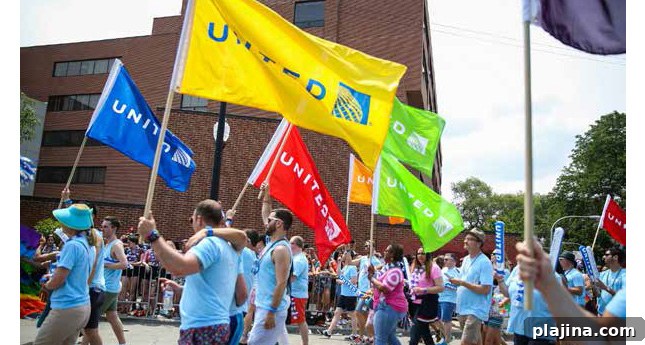
When airlines aim to demonstrate support for the LGBT community, they employ a combination of marketing, partnerships and internal policies. By addressing customers, public events and employee needs, carriers can build credibility and visibility among LGBT travelers and allies.
On the marketing front, many major carriers create targeted campaigns and content. United Airlines, for example, collaborates with the International Gay & Lesbian Travel Association to reach LGBT travelers through focused email outreach. Delta Air Lines markets LGBT-friendly vacation options through its Delta Vacations brand, highlighting hotels and packages that meet gay-friendly standards. American Airlines maintains a dedicated section on its website with information about LGBT events, news and exclusive offers. Virgin Atlantic regularly shares LGBT travel recommendations and features on its blog. Air New Zealand has drawn attention with high-profile LGBT-focused initiatives: in 2008 it introduced a themed “Pink Flight” from San Francisco to celebrate the Sydney Gay and Lesbian Mardi Gras, and in 2013 the airline organized a same-sex wedding aboard a flight after New Zealand legalized same-sex marriage. These campaigns help airlines connect with LGBT consumers by recognizing community events and offering tailored travel experiences.
Sponsorships and partnerships are another common tactic. Several carriers support LGBT organizations and events through sponsorships or official partnerships. Southwest Airlines, for instance, serves as an official carrier for advocacy and community groups, and includes engagement with LGBT-owned suppliers within its supplier diversity program. United maintains a visible presence at pride parades in multiple hub cities, serves as the official airline of Equality Illinois and holds a Gold Level partnership with IGLTA. In 2015 United also became the only top-tier Diamond Level partner of the National Gay Pilots Association, an organization made up of LGBT pilots and aviation enthusiasts. By supporting community organizations and events, airlines can signal long-term commitment beyond a single marketing push.
Employee policies and workplace inclusion are critical indicators of an airline’s commitment to LGBT equality. Many major U.S. carriers host internal LGBT employee groups and resource networks that provide peer support, mentorship and a channel to influence company policy. Following its merger with US Airways, American Airlines formed a combined employee group called Pride, which counts several hundred members and works to advance inclusion across the company. JetBlue has highlighted its workplace record with a perfect score on the Human Rights Campaign’s Corporate Equality Index, reflecting company policies and practices that promote LGBT workplace equality. Robust internal programs—such as nondiscrimination protections, inclusive benefits, employee resource groups and supplier diversity initiatives—help ensure that an airline’s public-facing efforts are backed by meaningful internal commitment.
Combining public marketing, community partnerships and strong internal policies allows airlines to present a coherent approach to LGBT inclusion. Successful programs are consistent across these areas: they offer targeted services and communications to LGBT travelers, support and sponsor community organizations and events, and foster an inclusive workplace culture for LGBT employees. When airlines align those elements, they create a more genuine and lasting connection with LGBT passengers and the broader community.
As the travel industry continues to evolve, meaningful engagement with LGBT travelers increasingly goes beyond token gestures. Travelers and advocacy organizations now expect transparency, measurable commitments and ongoing involvement. Airlines that invest in comprehensive strategies—balancing marketing initiatives, sponsorships and strong internal policies—stand a better chance of building trust and loyalty among LGBT customers, while also contributing positively to workplace equality and broader social inclusion.