
In the post-COVID era, airports have accelerated their adoption of touchless technologies to streamline travel and reduce the spread of germs. From check-in through boarding, passengers increasingly encounter contactless systems that aim to improve efficiency, speed and hygiene without compromising the traveler experience.
United Airlines has introduced touchless check-in at Heathrow Airport in London, marking the first deployment of this kind at that hub. Travelers use mobile devices at dedicated kiosks to scan boarding passes directly from their screens, avoiding shared touchscreens. These kiosks can also process checked baggage, printing luggage labels that include all relevant itinerary and routing information, which reduces interaction with staff and public surfaces.
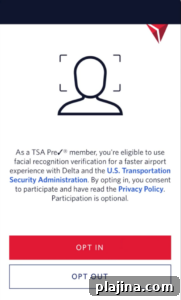
PHOTO: © DELTA AIR LINES
Biometric technology has also become a prominent element of modern airport operations. Delta Air Lines, in partnership with TSA PreCheck, launched a digital identity experience that was piloted at Detroit Metropolitan Airport (DTW) before expanding to other hubs such as Atlanta (ATL). Eligible, opt-in customers can complete tasks like bag drops, TSA PreCheck screening and boarding using facial recognition, significantly reducing time and touchpoints in the process. At Dubai International Airport, similar biometric systems allow travelers to clear immigration in roughly 15 seconds.
iGA Istanbul Airport has integrated smart cameras to capture passengers’ biometric credentials at check-in and share that identity data across key touchpoints including security checkpoints, border control, lounges, retail outlets and boarding gates. Working with IBM, the airport deployed a Hybrid Cloud Integration that supports app-based services and operational enhancements. Through the same mobile app, passengers can complete payments for baggage fees, place food orders, and shop virtually or in-store, maintaining a largely touch-free journey from curb to gate.
Perth Airport in Australia adopted a suite of contactless services designed to minimize physical interactions. The airport introduced touchless car-park check-ins, self-service kiosks, automated bag drops, online duty-free shopping and QR-based ordering for food pickup. A biometric system supports the passenger experience from check-in through boarding, enabling a continuous, contact-reduced flow.
At Seattle-Tacoma International Airport, some dining outlets have implemented mobile ordering platforms to cut down on person-to-person exchanges. Using a QR code, travelers can place and pay for food orders on their smartphones, which reduces queuing and the need to handle menus or cash. These solutions improve perceived safety and convenience for customers and staff alike.
Airports are also applying touchless functionality to common facilities. Abu Dhabi International Airport, for example, installed sensor-based elevators that respond to hand gestures, allowing passengers to call elevators without pressing buttons. Small changes like these add up across the passenger journey, lowering the number of high-contact surfaces travelers encounter.
Across global hubs, touchless initiatives vary in scope—from mobile-enabled kiosks and biometric identity systems to QR-based ordering and sensor-operated infrastructure—but they share common goals: faster processing, fewer touchpoints and a more seamless traveler experience. As airports continue to refine these technologies, the industry is moving toward an integrated, digital-first approach that prioritizes health, convenience and operational resilience.